

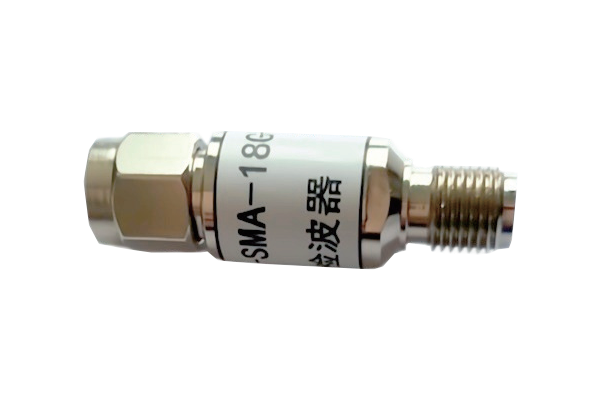
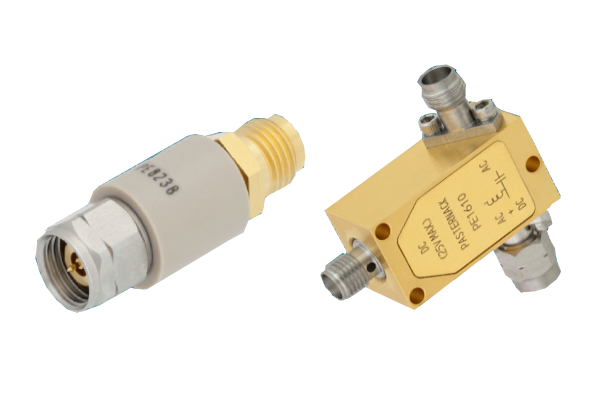
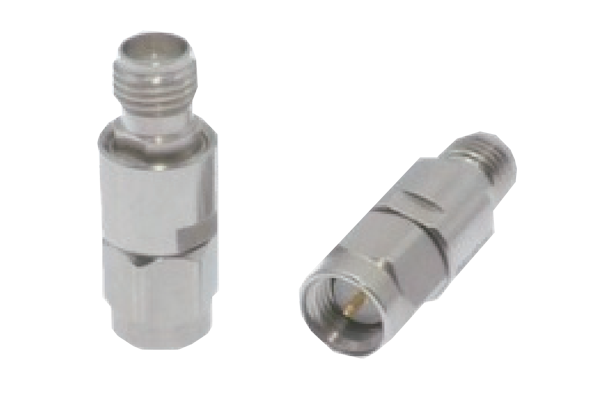
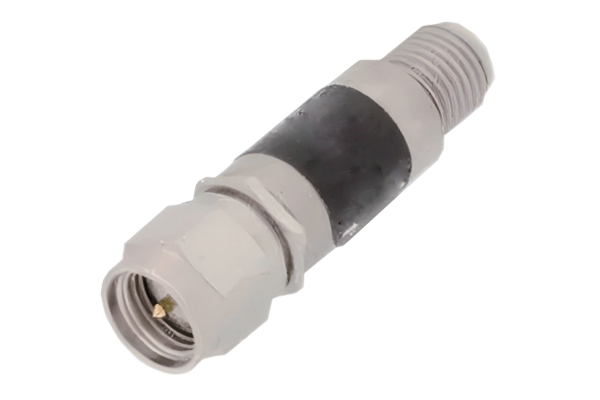
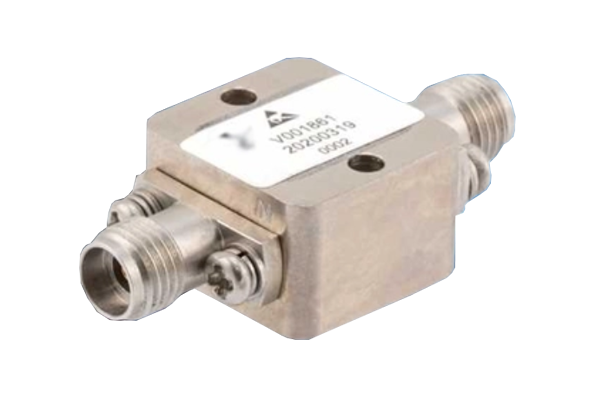
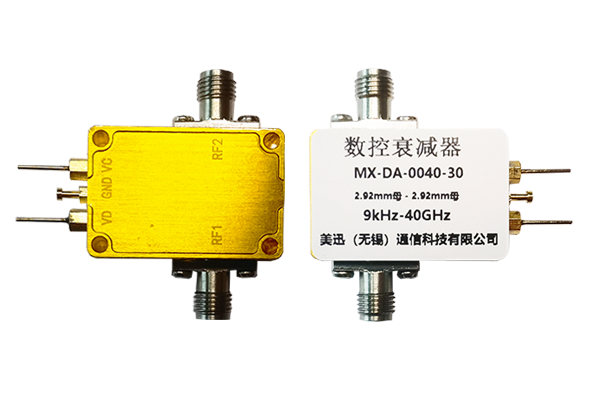
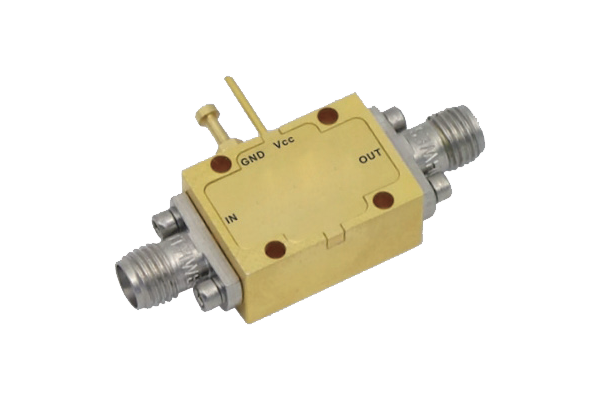
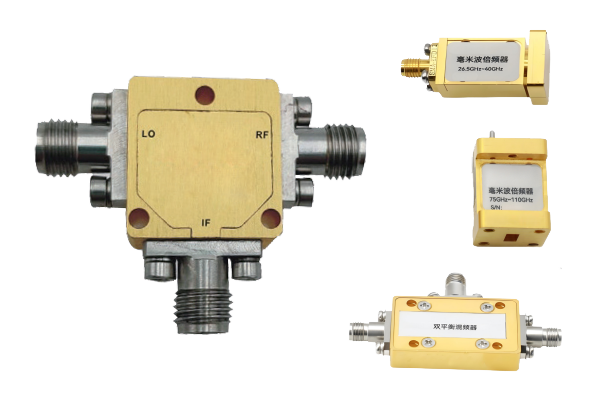
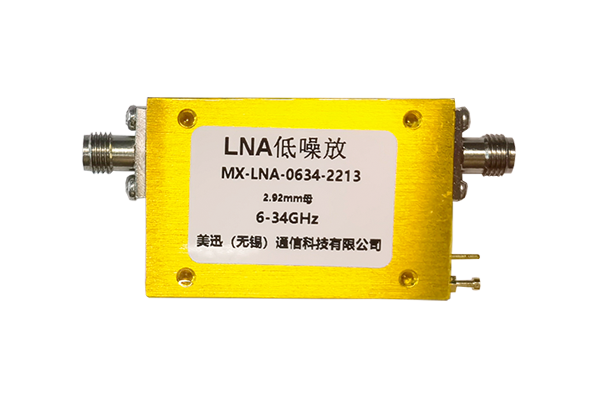
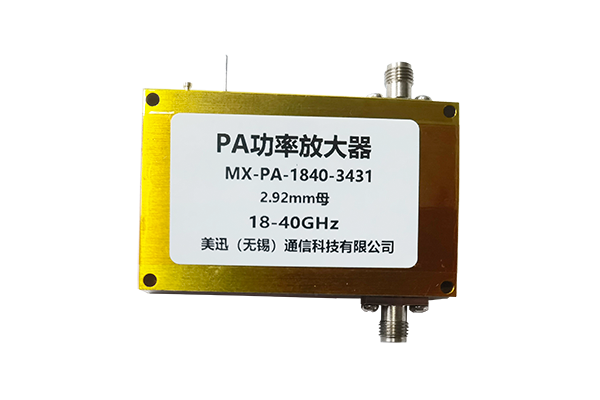
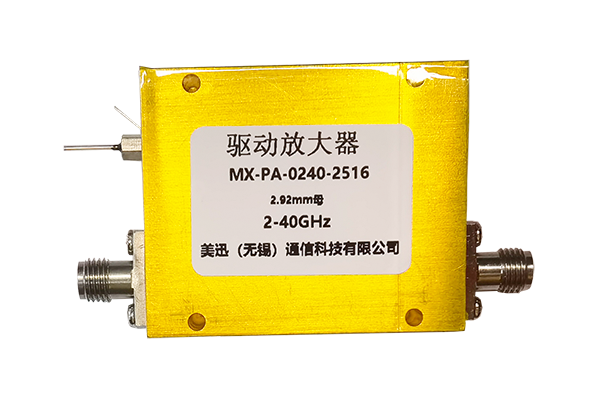




PIN diode switches have become indispensable components in modern radar and wireless communication systems. Their unique combination of fast switching speed, high reliability, and excellent RF performance makes them ideal for applications ranging from military radar to commercial 5G networks. This article explores the five most significant applications of PIN diode switches in these critical technology domains.
PIN Diode Switch Technology Overview
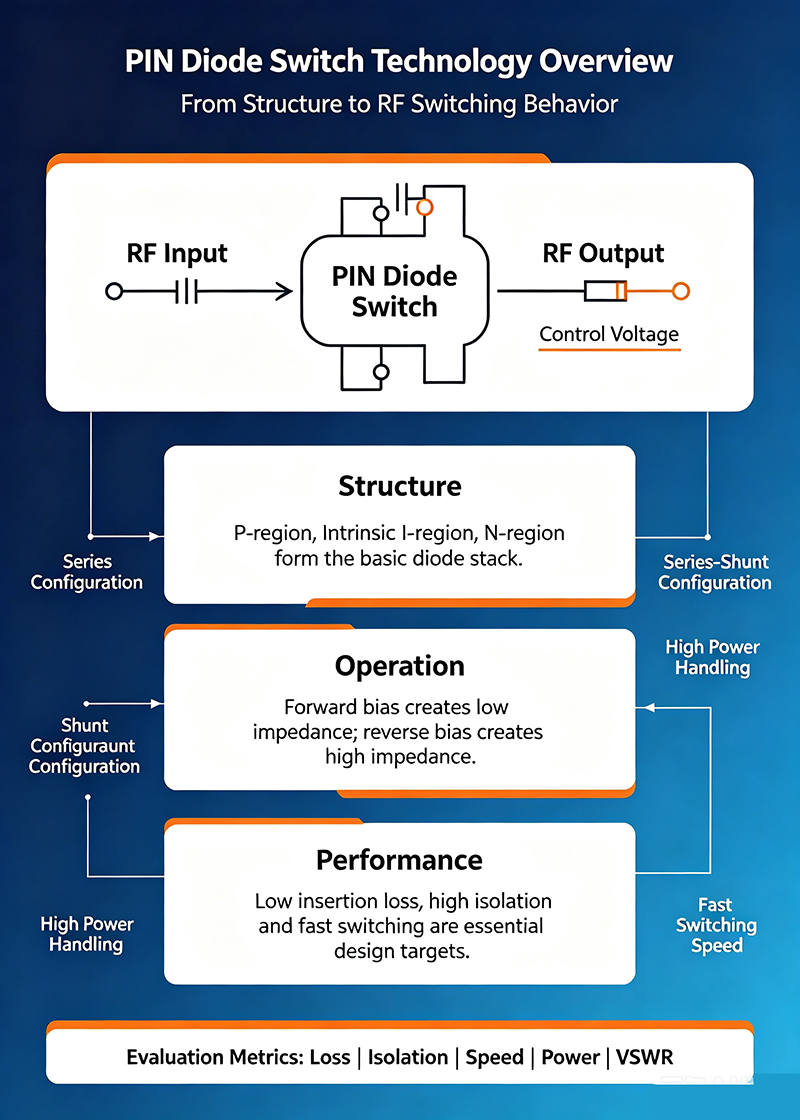
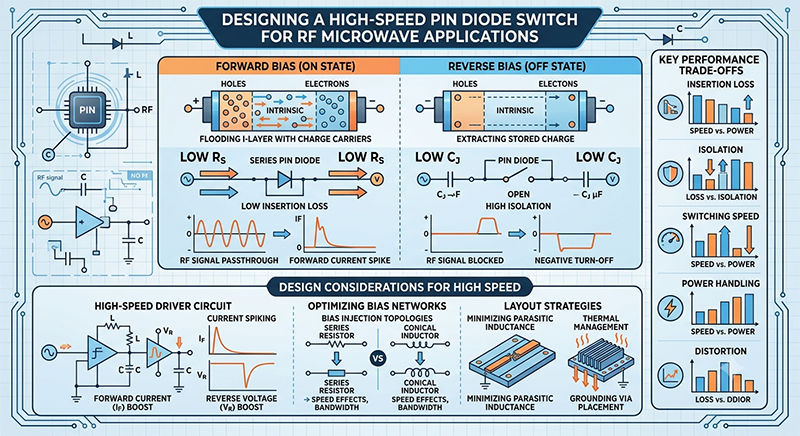
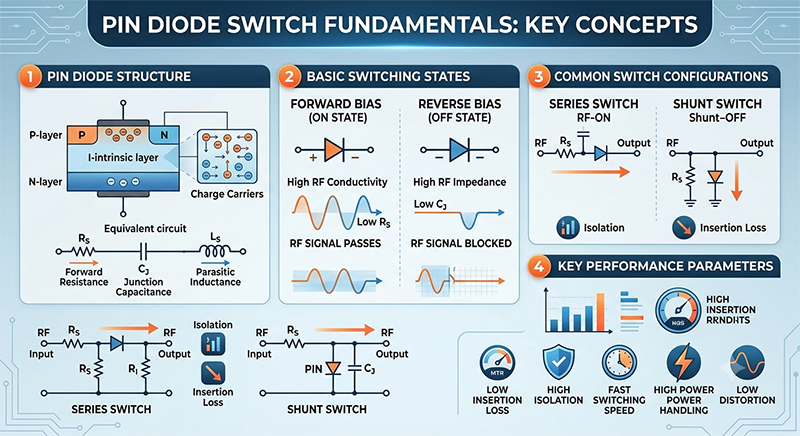
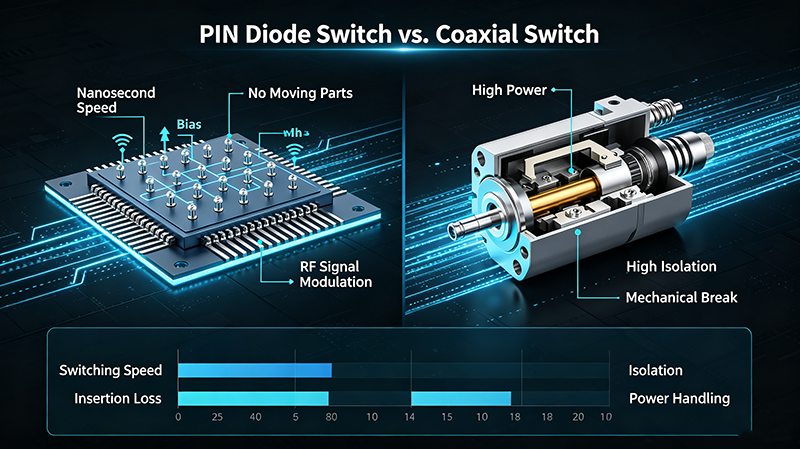
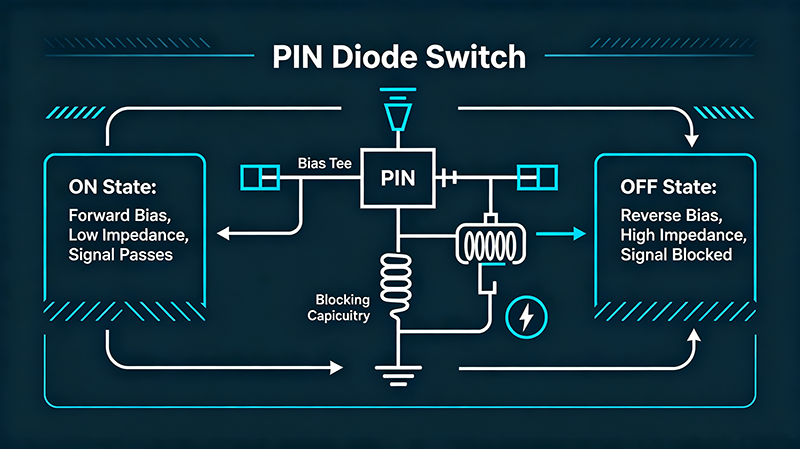
PIN diodes are semiconductor devices with an intrinsic (I) region between P-type and N-type semiconductor layers. This unique structure gives PIN diodes their distinctive RF switching characteristics. When forward-biased, the diode presents a low resistance to RF signals; when reverse-biased, it presents a high impedance that blocks signals.
Why PIN Diodes Excel in RF Switching
Key Advantages of PIN Diode Switches
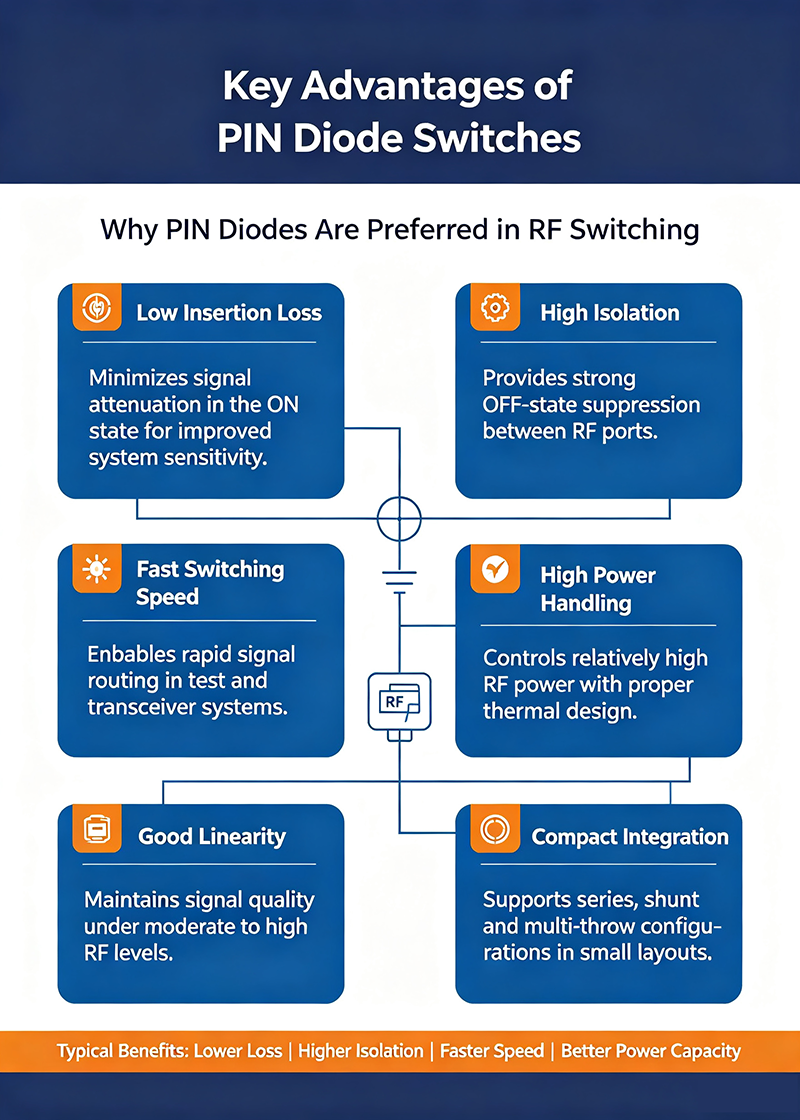
- Fast Switching: Nanosecond to microsecond switching times enable rapid signal routing
- High Reliability: Solid-state operation with no mechanical wear or moving parts
- Compact Size: Small form factor enables integration into dense RF modules
- Low Power Consumption: Minimal drive power required for switching control
- Excellent Linearity: Low intermodulation distortion preserves signal quality
- Silent Operation: No acoustic noise unlike electromechanical switches
Transmit/Receive (T/R) Modules in Phased Array Radars
Phased array radars use hundreds or thousands of T/R modules, each containing PIN diode switches to alternate between transmit and receive modes. These switches are critical for achieving the rapid beam steering that makes modern radar systems so versatile and capable.
Function
PIN diodes rapidly switch the antenna element between high-power transmitter and sensitive receiver paths, protecting the low-noise receiver during transmission.
Requirements
Sub-microsecond switching, high isolation (>40 dB), handling peak powers to 100W, and minimal insertion loss to preserve sensitivity.
Benefits
Enables electronic beam scanning without mechanical movement, multi-target tracking, and adaptive beamforming capabilities.
How PIN Diode Switches Work in T/R Modules
In a typical T/R module, PIN diode switches serve multiple functions:
- Polarization Switching: Some radar systems use dual-polarized antennas, requiring PIN diodes to select between H and V polarization
- Phase Shifter Bypass: Switches can bypass defective phase shifter elements to maintain array efficiency
- Calibration Paths: Built-in test switches route calibration signals through the module
- Protection Circuits: Limit switches protect sensitive components during transient events
Military and Defense Applications
Modern fighter aircraft radars (such as AN/APG-77 and AN/APG-81) contain thousands of T/R modules, each with multiple PIN diode switches. The reliability and switching speed of these switches directly impacts radar performance in air combat and precision strike missions.
| Parameter | Typical Requirement | PIN Diode Capability |
|---|---|---|
| Switching Speed | < 1 us | 100 ns - 1 us |
| Isolation | > 40 dB | 45 - 60 dB |
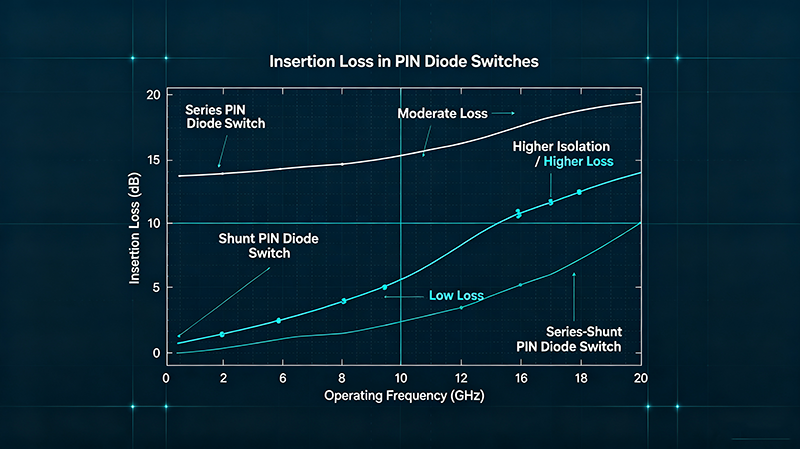
| Insertion Loss | < 1 dB | 0.5 - 1.0 dB |
| Power Handling | 10 - 100 W | Up to 100 W CW |
5G and Mobile Communications Infrastructure
The rollout of 5G networks has dramatically increased the demand for PIN diode switches in mobile base stations, massive MIMO systems, and user equipment. These switches enable the advanced antenna techniques that give 5G its superior performance capabilities.
Time Division Duplexing (TDD)
PIN diode switches create the rapid transmit-receive transitions required for TDD operation, switching in microseconds to maximize the efficiency of asymmetric traffic patterns.
Massive MIMO
5G massive MIMO base stations with 64-256 antenna elements use extensive PIN diode switching networks for beamforming and spatial multiplexing.
Antenna Tuning
PIN diodes enable dynamic antenna impedance matching that adapts to frequency band, user proximity, and environmental conditions.
PIN Diode Switches in Smartphone Front-Ends
Modern smartphones contain numerous PIN diode switches for:
- Antenna Switching: Selecting between multiple antenna paths for carrier aggregation
- Diversity Receiving: Switching between receive paths to improve signal quality
- Power Amplifier Protection: Isolating PAs during reception to prevent damage
- Switched Filter Banks: Selecting appropriate RF filters for different frequency bands
Electronic Warfare (EW) Systems
Electronic warfare systems rely heavily on PIN diode switches for their rapid switching capability, high linearity, and ability to handle the extreme signal conditions encountered in modern electronic combat environments.
Electronic Support Measures (ESM)
PIN diode switches rapidly route intercepted signals to different receivers and processors, enabling wideband surveillance and threat identification.
Electronic Attack (EA)
High-power PIN diode switches enable the generation and direction of jamming signals while protecting sensitive receivers from damage.
Decoy and Countermeasure Systems
PIN diode switching enables rapid deployment of chaff, flare, and active jamming countermeasures against incoming threats.
Specialized EW Switch Requirements
Electronic warfare applications impose unique demands on PIN diode switches:
- Ultra-Wideband Operation: EW systems must operate from VHF through microwave bands, requiring switches with flat response over wide frequency ranges
- High Dynamic Range: Must handle both very weak intercepted signals and very strong jamming or friendly signals
- Radiation Hardening: Military EW systems require switches that can withstand radiation environments
- Extended Temperature Range: Military specifications require operation from -55C to +85C or higher
- High Reliability: Mission-critical applications demand extremely low failure rates
Drone and UAV Applications
Modern unmanned aerial vehicles (UAVs) increasingly incorporate EW capabilities. PIN diode switches enable the compact, lightweight, and reliable RF switching needed for portable and airworthy EW payloads.
| Application | Key Requirement | PIN Diode Advantage |
|---|---|---|
| Signal Routing | Wideband, Fast | DC-50 GHz, <100 ns |
| Protect Receiver | High Isolation | 60+ dB available |
| Calibration | Repeatable | Stable over temperature |
| Built-In Test | Integrated | Compact, reliable |
Test and Measurement Equipment
Test and measurement equipment for RF and microwave systems relies on PIN diode switches for signal routing, module selection, and measurement switching. Their combination of speed, repeatability, and low insertion loss makes them ideal for automated test equipment.
Signal Routing Switch Matrices
PIN diode switches create flexible signal routing networks that connect multiple devices under test (DUTs) to measurement instruments without manual reconnection.
Receiver Switching
Test receivers use PIN diode switches to rapidly change between measurement paths, enabling high-speed swept measurements and parallel testing.
Calibration and Reference Paths
Automatic calibration systems use PIN diode switches to select between calibration standards and measurement paths with high repeatability.
Benefits in Test Equipment Applications
- High Repeatability: Consistent switching characteristics ensure measurement accuracy over time
- Low Insertion Loss: Minimizes measurement uncertainty and preserves signal-to-noise ratio
- Fast Switching: Reduces test time in production environments where thousands of units are tested daily
- Long Life: High switching cycle capability handles continuous operation in production test
- Silent Operation: No mechanical noise in quiet laboratory and production environments
Network Analyzer Applications
Modern vector network analyzers (VNAs) with multiple ports use PIN diode switches to select between measurement paths and reference channels. The switch characteristics directly impact measurement speed, accuracy, and dynamic range specifications.
IoT and Industrial Sensing Systems
The Internet of Things (IoT) and industrial sensing applications increasingly utilize PIN diode switches for their cost-effectiveness, low power consumption, and reliable operation in challenging environments.
Smart Metering
Utility smart meters use PIN diode switches for RF front-end switching between transmit and receive paths in AMI (Advanced Metering Infrastructure) communication modules.
Industrial Wireless Sensors
PIN diode switches enable multi-band or multi-protocol wireless sensors that can communicate using different standards (Wi-Fi, Zigbee, LoRa, NB-IoT).
Radar Level Sensing
Industrial radar level transmitters use PIN diode switches in T/R modules for continuous level measurement in tanks and vessels.
Automotive Radar Applications
Advanced driver assistance systems (ADAS) and autonomous vehicles rely on PIN diode switches in:
- 77 GHz Automotive Radar: Short-range (SRR) and long-range (LRR) radar systems use PIN diode switches for T/R functionality
- Multi-Mode Operation: Switches enable changing between detection modes for adaptive cruise, collision warning, and blind-spot monitoring
- Corner Radar: Four-corner radar systems each contain PIN diode switches for complete vehicle coverage
- Implantable Medical Devices: Some wireless medical implants use PIN diodes for RF switching in body-area networks
Emerging IoT Applications
Smart city infrastructure, including traffic monitoring, environmental sensing, and asset tracking, increasingly deploys wireless sensor networks. PIN diode switches enable these cost-sensitive applications through their excellent price-performance ratio and low power consumption.
| IoT Application | Typical Frequency | PIN Diode Benefits |
|---|---|---|
| Smart Meters (AMI) | 400 MHz - 1 GHz | Low cost, reliable |
| Industrial Sensors | 2.4 GHz | Multi-protocol support |
| Radar Level | 6 - 80 GHz | Fast switching |
| Automotive Radar | 77/79 GHz | High frequency, compact |
Frequently Asked Questions
Conclusion
PIN diode switches have established themselves as essential components across a wide spectrum of radar and wireless communication applications. From military phased array radars enabling air superiority to consumer smartphones bringing 5G to billions of users, these versatile switches provide the reliable, fast, and cost-effective RF switching that modern systems demand.
The five key application areas explored in this article—T/R modules for phased array radars, 5G mobile communications, electronic warfare systems, test and measurement equipment, and IoT/industrial sensing—each leverage different strengths of PIN diode technology. Whether prioritizing switching speed, isolation, power handling, or cost, engineers can select PIN diode configurations optimized for their specific requirements.
As wireless systems continue to evolve toward higher frequencies, greater bandwidths, and more sophisticated signal processing, PIN diode switches will remain at the forefront of RF switching technology, enabling the next generation of radar and communication capabilities.
Need PIN Diode Switches for Your Application?
Our product range includes high-performance PIN diode switches for radar, communications, and industrial applications. Contact our technical team for custom solutions.
Contact Our Technical Team