




DATE
June 9-11, 2026
LOCATION
Thomas M. Menino Convention & Exhibition Center
Boston, MA
May 26 ,26


5G communication testing, wireless terminal automated testing
Aerospace communication systems
Precision measurement equipment, radio frequency signal control of radar transmitters
Communication and navigation systems
Optical communication module-related testing
Interconnection of wireless communication base stations
5G RF components are essential building blocks in modern wireless communication systems. They manage, amplify, filter, switch, combine, divide, and route radio-frequency signals between antennas, transceivers, baseband systems, and other RF circuits.
As 5G networks operate across a wider range of frequencies and support higher data rates, massive MIMO, beamforming, and dense network deployments, RF components must provide low insertion loss, high isolation, low noise, excellent linearity, and reliable high-frequency performance.
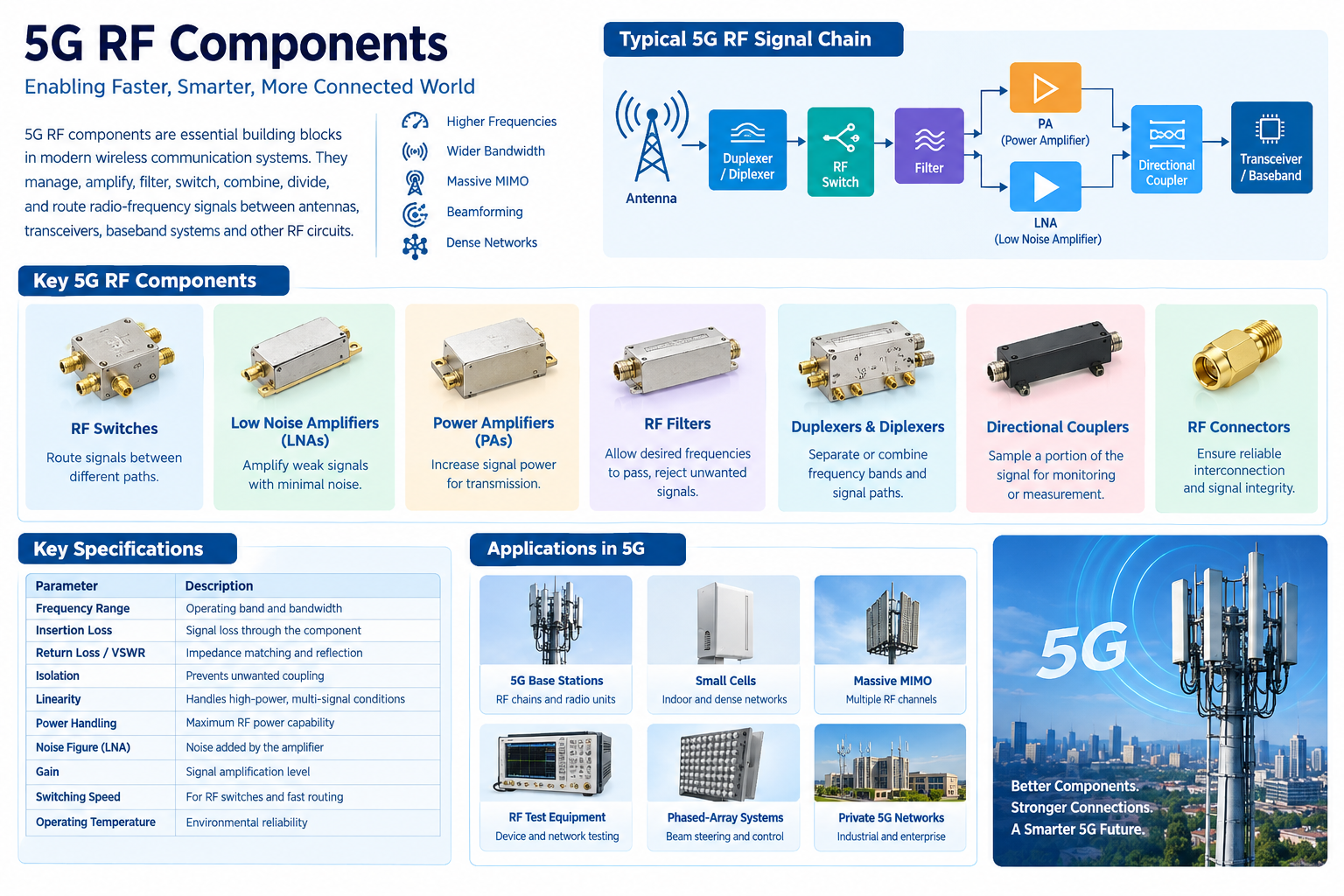
5G RF components are passive and active microwave devices designed to process radio-frequency signals used by fifth-generation wireless communication systems. They can be found in 5G base stations, small cells, remote radio units, active antenna systems, test equipment, and other wireless infrastructure.
Unlike a single RF device, a complete 5G RF front end normally contains multiple components working together. Depending on the architecture, a signal may pass through filters, switches, amplifiers, couplers, attenuators, duplexers, connectors, and other microwave components before reaching the antenna.
Key point: The performance of a 5G RF system depends not only on individual component specifications but also on how insertion loss, isolation, impedance matching, noise figure, linearity, and power handling interact across the complete RF signal chain.
5G introduces demanding requirements for wireless infrastructure. Compared with many previous-generation systems, 5G networks use wider channel bandwidths, higher carrier frequencies in some deployments, advanced antenna technologies, and more sophisticated RF architectures.
These requirements make RF component selection particularly important. Even a small amount of additional insertion loss can reduce available system margin, while insufficient isolation can cause unwanted coupling between signal paths.
A 5G RF architecture can contain a wide range of components. The following devices are among the most important for RF signal routing and conditioning.
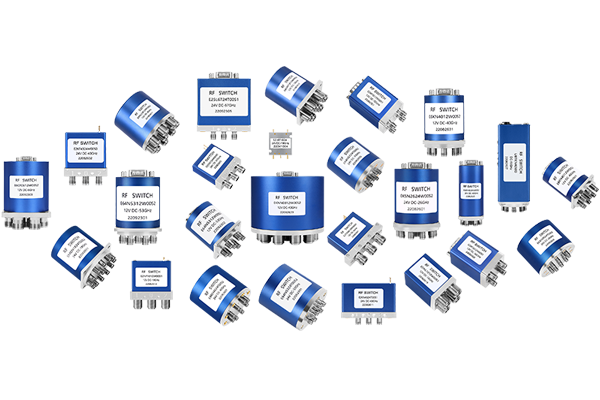
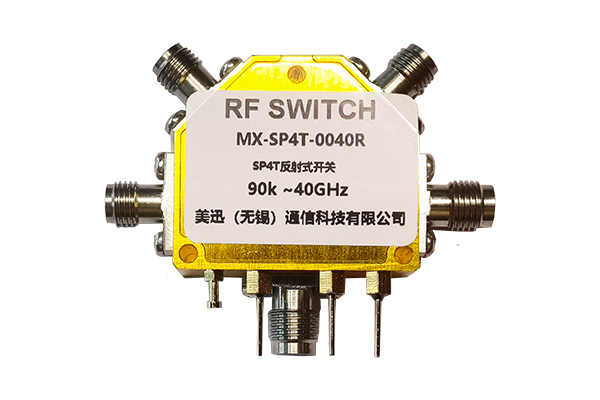
RF switches route high-frequency signals between different transmission paths. Common configurations include SPDT, SP3T, SP4T, SP6T, SP8T, and SP12T switches. They are widely used in RF test systems, antenna switching, transceivers, and signal routing networks.
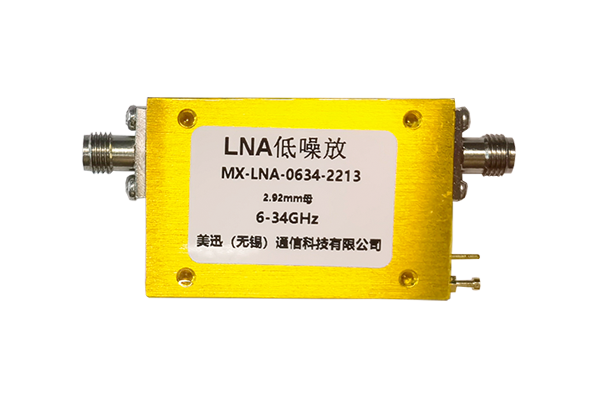
A low noise amplifier, or LNA, increases the strength of weak received signals while adding as little noise as practical. Important parameters include noise figure, gain, bandwidth, P1dB, and IP3.
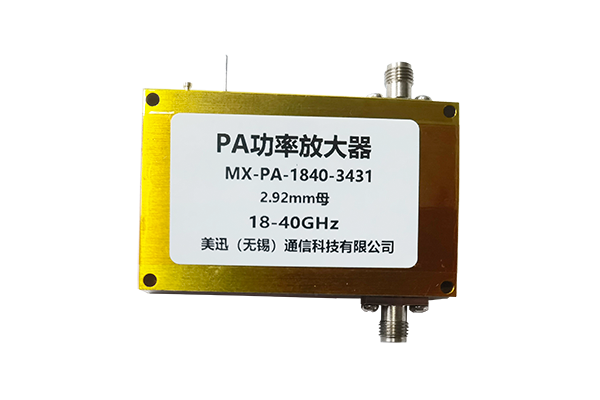
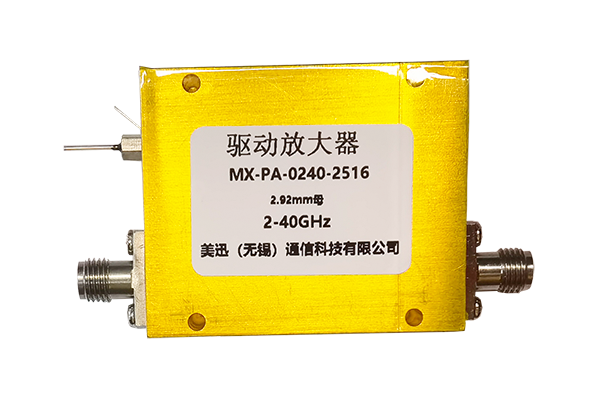
RF power amplifiers increase signal power before transmission through the antenna. 5G power amplifier designs must balance output power, efficiency, linearity, thermal performance, and bandwidth.
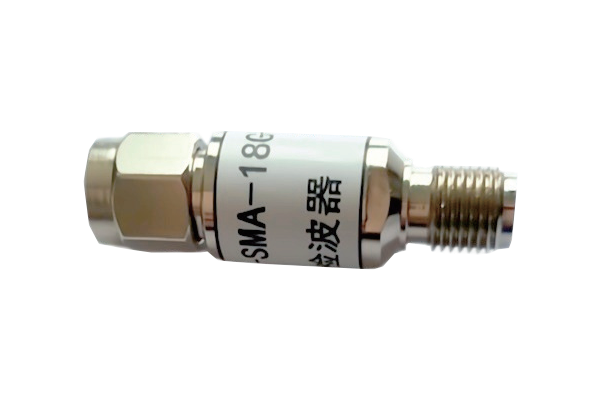
Filters allow desired frequencies to pass while suppressing unwanted signals. Bandpass, low-pass, high-pass, and band-stop filters can be used in different sections of a 5G RF system.
Duplexers and diplexers separate or combine frequency bands and signal paths. Their isolation, insertion loss, frequency response, and power handling can significantly affect RF system performance.
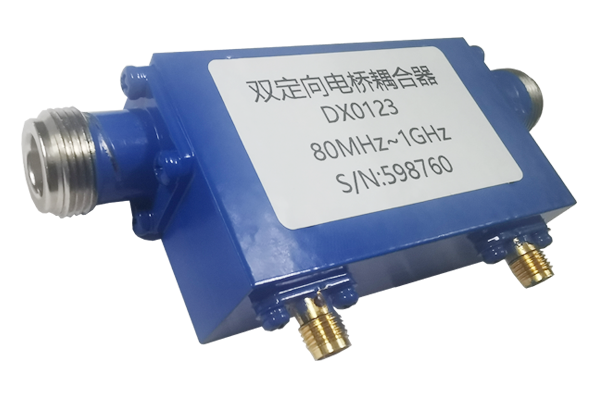
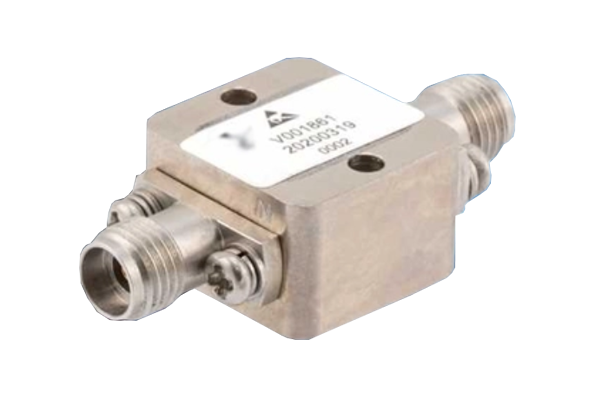
Directional couplers sample a controlled portion of an RF signal while allowing most of the signal to continue through the main transmission path. They are useful for monitoring, measurement, feedback, and power detection.
| RF Component | Primary Function | Important Specifications | Typical 5G Application |
|---|---|---|---|
| RF Switch | Signal routing | Insertion loss, isolation, switching speed, power handling | Transceivers, antenna switching, test systems |
| LNA | Low-noise signal amplification | Noise figure, gain, bandwidth, IP3, P1dB | Receiver front ends |
| Power Amplifier | Transmit signal amplification | Output power, gain, efficiency, linearity | Base stations and radio units |
| RF Filter | Frequency selection | Passband, rejection, insertion loss, return loss | RF front ends and interference control |
| Directional Coupler | Signal sampling | Coupling, directivity, isolation, VSWR | Monitoring and measurement |
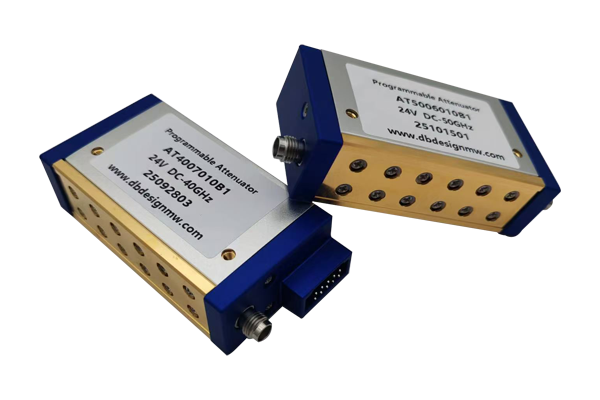
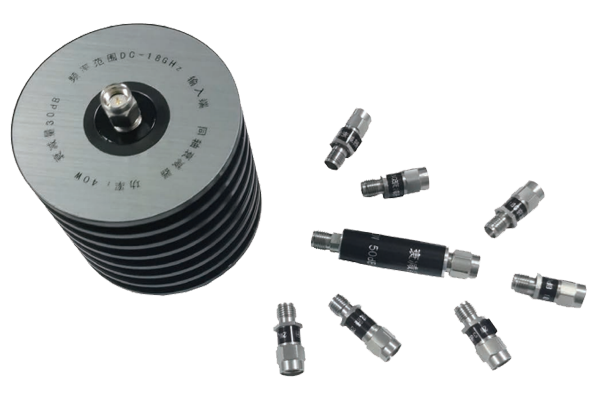
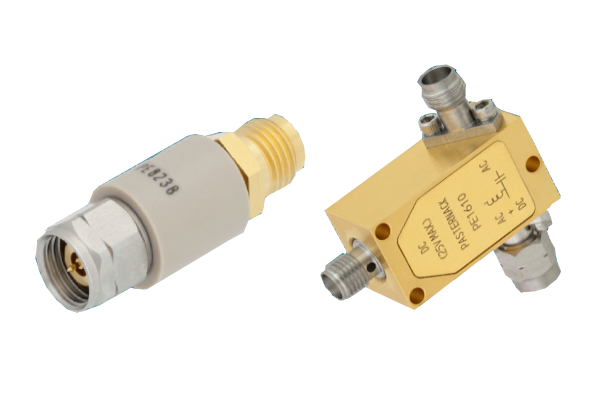
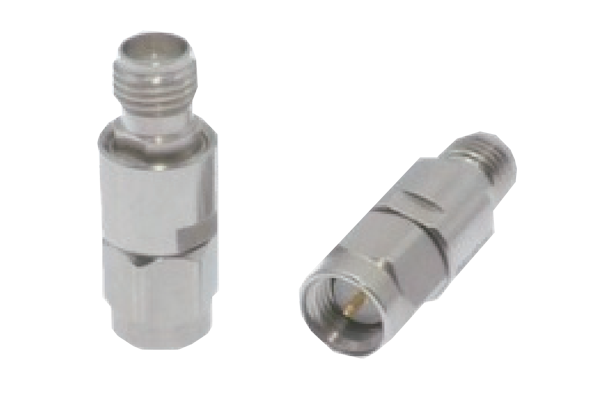
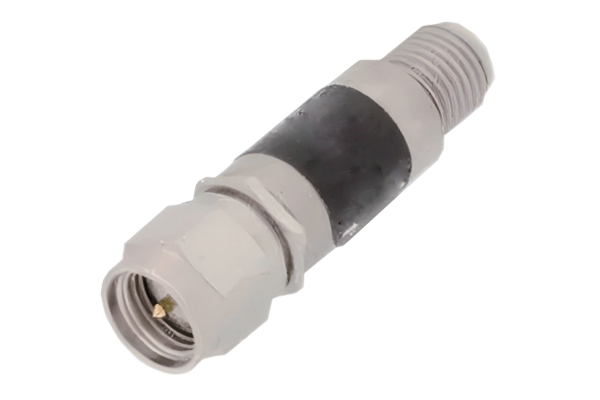
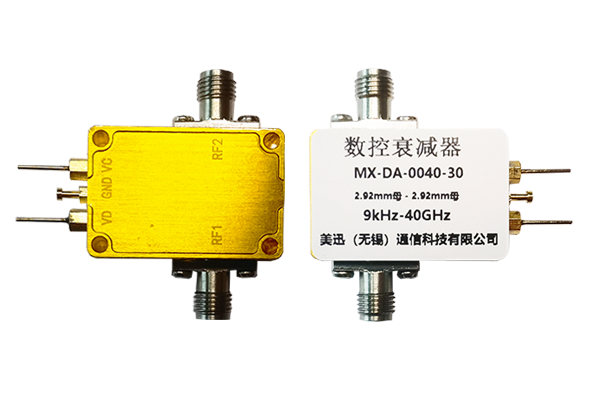
| Attenuator | Controlled signal reduction | Attenuation, power rating, VSWR | Level control and RF testing |
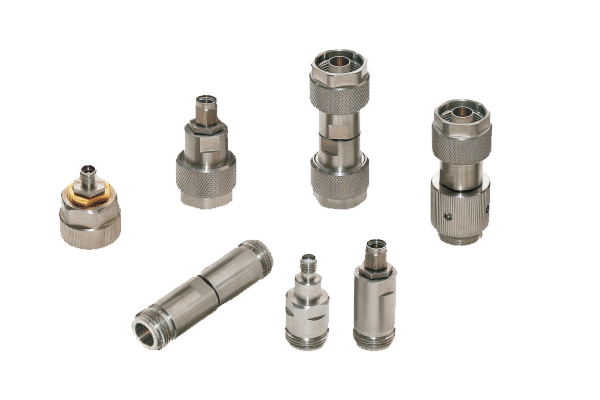
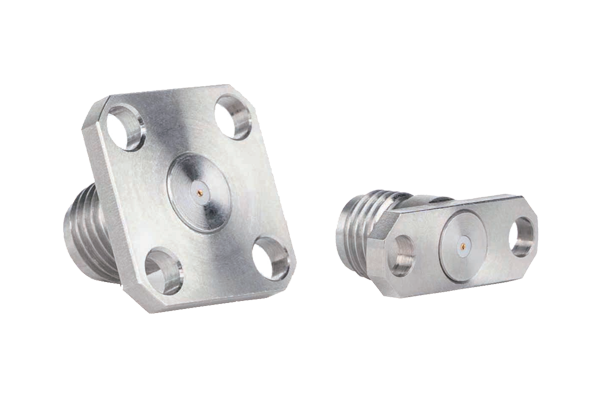
| RF Connector | Interconnection | Frequency range, VSWR, insertion loss, durability | RF modules, cables, test equipment |
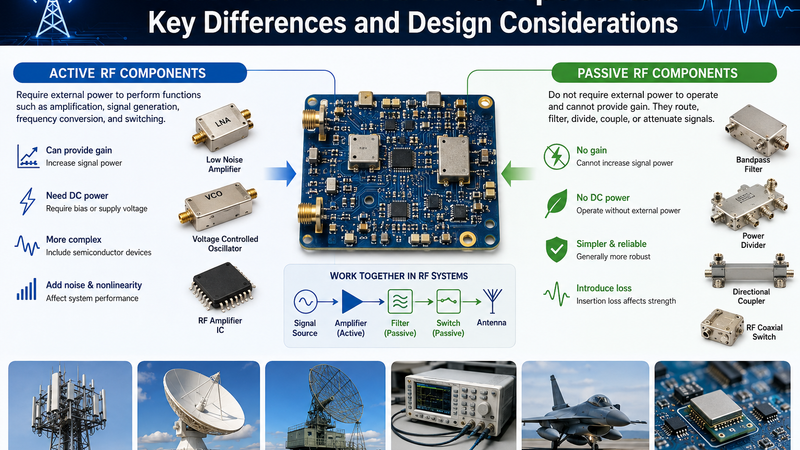
5G RF components can generally be divided into active and passive devices.
Active components require electrical power to perform functions such as amplification, switching, or signal processing. Examples include RF power amplifiers, low noise amplifiers, and semiconductor RF switches.
Passive components do not normally require an external power supply to perform their basic RF function. Filters, directional couplers, power dividers, attenuators, duplexers, and RF connectors are common examples.
The distinction is useful when designing a 5G signal chain because active components directly affect parameters such as gain, noise figure, compression, and linearity, while passive components primarily introduce characteristics such as insertion loss, return loss, isolation, and coupling.
RF switches are particularly important in flexible 5G architectures. A switch can select one RF path from multiple available paths, allowing a system to share antennas, test different signal chains, or dynamically configure RF connections.
Common RF switch configurations include:
For high-frequency 5G applications, designers typically evaluate insertion loss, isolation, return loss, switching speed, power handling, repeatability, and operating frequency together.
The receiver front end must detect relatively weak RF signals while preserving signal quality. A low noise amplifier is commonly positioned close to the receiver input so that the signal can be amplified before subsequent stages add significant noise.
Several LNA specifications are especially important:
On the transmit side, the RF power amplifier raises the signal level sufficiently for transmission through the antenna system. The design challenge is to achieve the required output power without excessive distortion, energy consumption, or thermal stress.
For 5G infrastructure, power amplifier evaluation may include output power, gain, power-added efficiency, linearity, adjacent-channel performance, operating bandwidth, and thermal characteristics.
Wideband signals can create additional linearity challenges because nonlinear RF devices generate distortion products. Therefore, power amplifier selection must consider the modulation and bandwidth requirements of the complete transmitter rather than output power alone.
RF filters are used to control the frequency content of a signal. In a crowded wireless environment, filtering helps reduce unwanted signals and interference between frequency bands.
Common filter types include:
Important filter specifications include center frequency, bandwidth, insertion loss, return loss, rejection, group delay, and power handling.
Choosing RF components for a 5G system requires more than matching the nominal operating frequency. Several electrical and mechanical parameters should be evaluated.
The component must cover the complete operating band with sufficient performance margin. For wideband applications, designers should examine the full frequency response rather than relying on a single nominal frequency.
Insertion loss represents the reduction in signal power caused by a component inserted into the RF path. Lower insertion loss is generally desirable because accumulated passive loss can reduce system efficiency and link margin.
Return loss and voltage standing wave ratio indicate how well an RF component is impedance matched. Poor matching can increase reflected power and reduce overall signal-transfer efficiency.
Isolation describes how effectively unwanted RF energy is prevented from coupling between ports or signal paths. High isolation is particularly important in multi-channel systems and RF switching networks.
Linearity is critical when multiple signals occupy the RF system simultaneously. Parameters such as IP3 and P1dB can help engineers evaluate the behavior of active RF components under stronger input conditions.
RF components used in transmit paths must withstand the expected RF power without excessive heating, compression, arcing, or permanent damage.
For RF switching applications, switching time, settling behavior, repeatability, and switching lifetime may be important depending on the system architecture.
5G deployments can use different frequency ranges, and RF component requirements vary accordingly.
Sub-6 GHz systems generally prioritize wideband performance, low insertion loss, high isolation, power handling, and compact integration across established cellular frequency ranges.
Millimeter-wave systems impose additional challenges because transmission losses, manufacturing tolerances, connector performance, packaging, and electromagnetic effects become increasingly significant as frequency increases.
At higher frequencies, engineers must pay closer attention to PCB layout, transmission-line geometry, connector transitions, shielding, grounding, and mechanical tolerances.
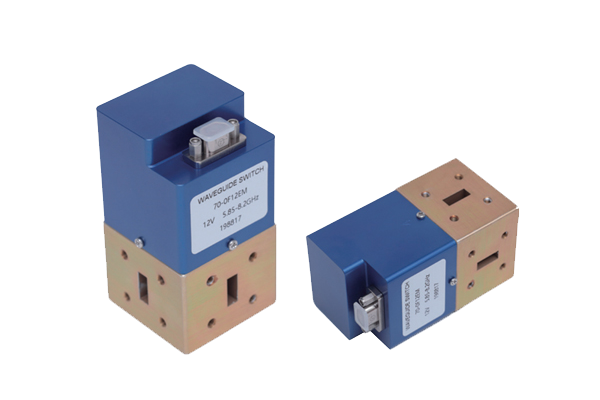
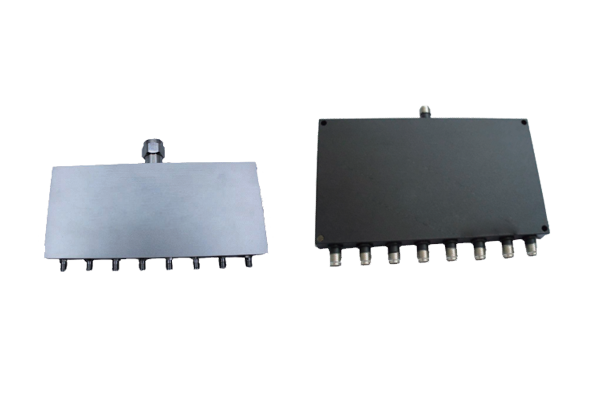
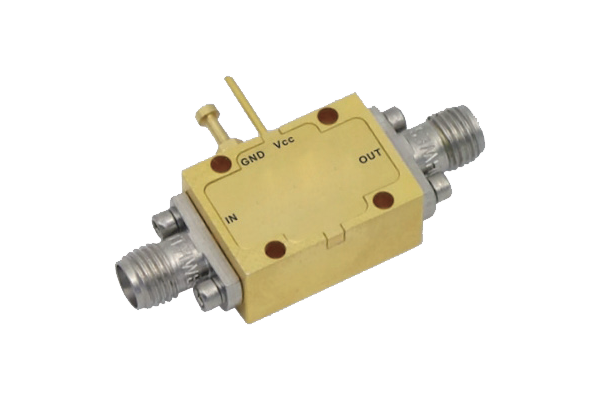
RF switches, filters, amplifiers, couplers, power dividers, and other components are integrated into base station RF chains and radio units.
Compact RF components enable smaller wireless access points for indoor and dense urban network deployments.
Large antenna arrays require multiple RF channels with consistent amplitude, phase, gain, isolation, and impedance characteristics.
RF switches, attenuators, couplers, connectors, and signal-routing modules are widely used to test 5G devices and network hardware.
RF components support signal distribution and control in antenna arrays used for beam steering and directional transmission.
Industrial and enterprise wireless systems use RF components in dedicated radio infrastructure, testing systems, and communication equipment.
A practical RF component selection process should begin with system-level requirements and then narrow down the electrical and mechanical specifications.
As frequency increases, conductor loss, dielectric loss, radiation effects, and discontinuities can become more significant. Component and interconnect design therefore become increasingly important.
Power amplifiers and other active components can generate significant heat. Thermal design must account for device efficiency, enclosure design, heat spreading, and operating environment.
Dense wireless environments contain many RF signals. Filters, shielding, isolation, careful frequency planning, and appropriate RF architecture help manage unwanted coupling and interference.
Massive MIMO and phased-array systems contain multiple RF paths. Differences in gain, phase, insertion loss, and delay between channels can affect overall system performance.
Many RF components used in 5G are based on established microwave technologies. The key difference is often the combination of performance requirements and system complexity rather than the basic function of the component.
| Characteristic | Traditional RF Systems | 5G RF Systems |
|---|---|---|
| Frequency | Depends on application | Sub-6 GHz and higher-frequency bands |
| Bandwidth | Application dependent | Often requires wideband operation |
| Antenna Architecture | Often fewer RF paths | Massive MIMO and phased-array architectures are common |
| RF Routing | Simple to moderately complex | Can require many independently controlled paths |
| Integration | Discrete and integrated designs | High integration and compact RF modules are increasingly important |
The development of 5G infrastructure continues to drive demand for RF components that combine higher frequency capability, lower loss, greater integration, and improved reliability.
Important development areas include wideband RF switches, high-isolation switching networks, advanced semiconductor amplifiers, compact filters, high-frequency connectors, integrated RF front ends, and components designed for phased-array architectures.
As networks evolve toward higher capacity and more distributed architectures, RF components will remain important at the interface between digital processing and the physical wireless channel.
5G RF components are active and passive microwave devices used to generate, amplify, filter, switch, combine, divide, route, and connect RF signals in 5G communication equipment.
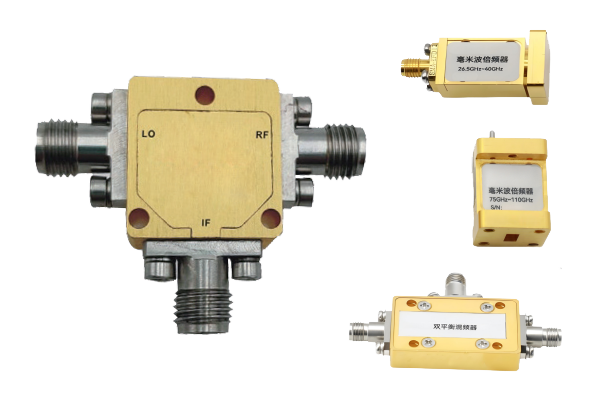
Common components include RF switches, low noise amplifiers, power amplifiers, filters, duplexers, diplexers, directional couplers, power dividers, attenuators, and RF connectors.
RF switches provide controlled routing between different signal paths. They can be used for antenna selection, transceiver configuration, test systems, and other RF switching applications.
5G base stations can use power amplifiers, LNAs, filters, RF switches, duplexers, directional couplers, power dividers, attenuators, connectors, and other RF and microwave components.
Important specifications can include frequency range, bandwidth, insertion loss, return loss, VSWR, isolation, power handling, linearity, switching speed, noise figure, gain, and operating temperature, depending on the component type.
Yes. RF and microwave components are used in higher-frequency 5G systems, including millimeter-wave architectures. At these frequencies, component geometry, packaging, connectors, transmission lines, and manufacturing tolerances become especially important.
5G RF components form the foundation of the RF signal chain in modern wireless communication infrastructure. RF switches provide signal routing, LNAs improve receiver sensitivity, power amplifiers support transmission, filters control unwanted frequencies, and couplers, dividers, attenuators, duplexers, and connectors provide essential signal-management functions.
When selecting components for a 5G application, engineers should evaluate the complete set of requirements, including frequency range, bandwidth, insertion loss, isolation, VSWR, power handling, linearity, thermal performance, and reliability. Matching individual components to the complete RF architecture is essential for achieving consistent system performance.
For manufacturers and system designers working on 5G infrastructure, high-frequency test equipment, massive MIMO, phased arrays, and RF communication systems, selecting appropriately specified RF components can help create reliable and scalable RF signal chains.

High-tech Enterprise, Feifeng Talent
Chief Engineer Wang graduated with a master's degree in high-power microwave from the Institute of Electronics, University of Chinese Academy of Sciences.
View Full Profile