A professional guide to microwave frequencies, their commonly used ranges, advantages, disadvantages, applications, and key considerations for RF and microwave system design.
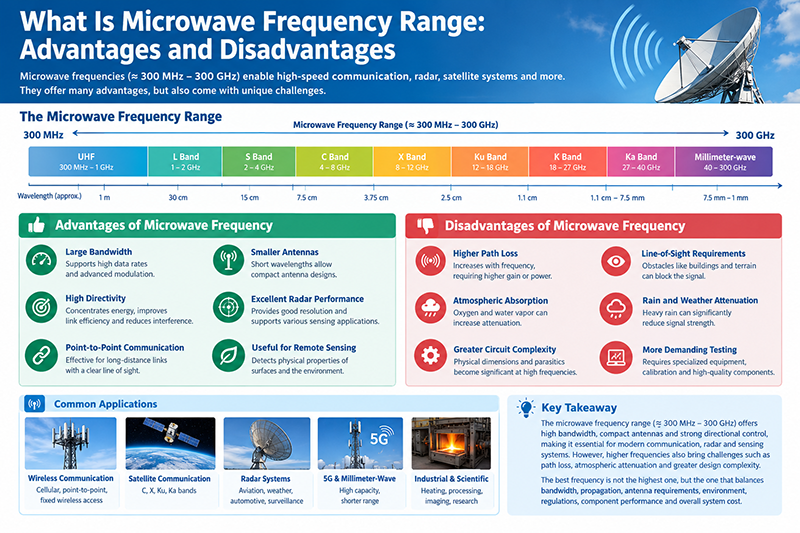
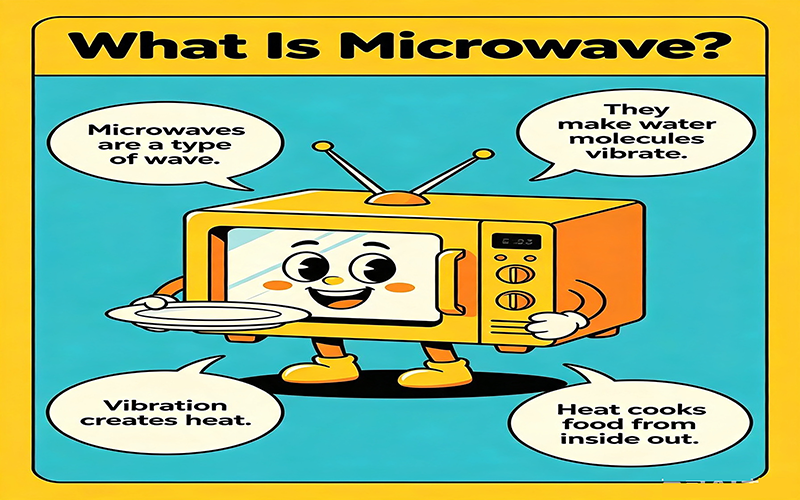
Microwave frequency range generally refers to electromagnetic frequencies from approximately 300 MHz to 300 GHz, corresponding to wavelengths from about 1 meter down to 1 millimeter. Microwave technology is widely used in wireless communication, radar, satellite systems, navigation, RF testing, remote sensing, and industrial equipment.
Microwave frequencies offer important advantages such as high bandwidth, compact antennas, strong directional capabilities, and excellent suitability for high-capacity communication. However, they also present challenges including increased propagation loss, atmospheric absorption, line-of-sight requirements, and greater component and measurement complexity.
What Is a Microwave Frequency?
A microwave frequency is an electromagnetic frequency that lies within the microwave portion of the radio-frequency spectrum. Microwaves have shorter wavelengths than conventional lower-frequency radio waves, allowing engineers to build smaller antennas and highly directional transmission systems.
The relationship between frequency and wavelength can be expressed as:
λ = c / f
Where λ is wavelength, c is the speed of light in free space, and f is frequency.
As frequency increases, wavelength decreases. For example, a 1 GHz signal has a free-space wavelength of approximately 30 cm, while a 10 GHz signal has a wavelength of approximately 3 cm. This reduction in wavelength has a major impact on antenna dimensions, propagation behavior, circuit design, and RF component selection.
What Is the Microwave Frequency Range?
There is no single universal boundary used by every organization to define the microwave spectrum. In many engineering applications, microwave frequencies are considered to extend from around 300 MHz to 300 GHz. Some classifications begin microwave operation at 1 GHz, while others use different boundaries depending on the application or regulatory framework.
|
Frequency Range
|
Common Band Designation
|
Typical Applications
|
|
300 MHz–1 GHz
|
UHF region
|
Mobile communications, navigation, broadcast, wireless systems
|
|
1–2 GHz
|
L Band
|
Radar, satellite navigation, satellite communications, telemetry
|
|
2–4 GHz
|
S Band
|
Radar, Wi-Fi, satellite communications, weather radar
|
|
4–8 GHz
|
C Band
|
Satellite links, radar, telecommunications
|
|
8–12 GHz
|
X Band
|
Radar, defense systems, remote sensing, satellite applications
|
|
12–18 GHz
|
Ku Band
|
Satellite TV, satellite communications, radar
|
|
18–27 GHz
|
K Band
|
Radar, automotive sensing, communications
|
|
27–40 GHz
|
Ka Band
|
High-capacity satellite communications, radar, broadband links
|
|
40–300 GHz
|
Millimeter-wave region
|
Advanced communications, imaging, sensing, scientific research
|
These band names are commonly used in RF and microwave engineering, but exact frequency allocations vary according to standards, regulations, and application requirements.
Why Are Microwave Frequencies Important?
Microwave frequencies occupy an important position between traditional radio-frequency systems and the increasingly high-frequency millimeter-wave and terahertz technologies. Their combination of bandwidth, antenna size, propagation characteristics, and directional control makes them useful for many modern electronic systems.
High Data Capacity
Higher-frequency spectrum can provide wide bandwidth, making microwave systems suitable for high-capacity wireless links, satellite communications, and broadband networks.
Small Antennas
Short wavelengths allow antennas to be physically smaller. This is particularly valuable for radar, satellite terminals, wireless equipment, and compact RF systems.
Directional Transmission
Microwave systems can use highly directional antennas to concentrate electromagnetic energy into narrow beams, improving link performance and reducing unwanted radiation.
Advanced Sensing
Microwave signals can detect distance, motion, velocity, surface characteristics, and other physical properties, making them valuable for radar and sensing applications.
Advantages of Microwave Frequency
1. Large Available Bandwidth
One of the most important advantages of microwave frequencies is the availability of relatively wide bandwidths. A larger bandwidth can support higher data rates and more advanced modulation techniques.
This makes microwave technology particularly useful for point-to-point wireless communication, satellite links, cellular infrastructure, radar, and broadband systems.
2. Smaller Antenna Size
Because microwave wavelengths are short, antennas can be much smaller than antennas designed for lower-frequency systems operating at comparable gain characteristics.
For applications where equipment size and weight are important, this can provide significant engineering benefits. Compact microwave antennas are widely used in aircraft, satellites, vehicles, wireless terminals, and radar systems.
3. High Directivity and Beam Control
Microwave frequencies are well suited to directional antennas such as parabolic reflectors, horn antennas, phased arrays, and other antenna architectures.
High directivity enables engineers to focus RF energy toward a specific location. This can increase link efficiency, improve spatial reuse, and reduce interference between communication channels.
4. Excellent Radar Performance
Microwave frequencies are extensively used in radar because short wavelengths can provide good spatial resolution while supporting relatively compact antenna systems.
Depending on frequency, waveform, antenna design, and signal processing, microwave radar can be used for weather monitoring, aircraft detection, automotive sensing, surveillance, navigation, and industrial measurement.
5. Suitable for Point-to-Point Communication
Microwave links are particularly effective when a direct or near-line-of-sight path is available between transmitting and receiving antennas. High antenna gain and narrow beams can support long-distance communication with appropriately engineered link budgets.
6. Useful for Remote Sensing
Microwave signals can interact with materials and surfaces in ways that provide information about physical characteristics. This makes microwave technology valuable for satellite remote sensing, earth observation, weather monitoring, and scientific research.
Disadvantages of Microwave Frequency
1. Higher Free-Space Path Loss
Free-space path loss increases with frequency when distance and antenna gains are held constant. The commonly used Friis transmission relationship shows that received power depends on wavelength:
As frequency increases, wavelength decreases, resulting in greater free-space path loss for the same antenna gains and distance. High-gain directional antennas can compensate for part of this loss, but system designers must carefully evaluate the complete link budget.
2. Line-of-Sight Requirements
Many microwave communication links require a clear line of sight between the transmitter and receiver. Buildings, terrain, trees, and other obstacles can block or significantly weaken the signal.
For long-distance microwave links, engineers must therefore consider antenna height, terrain, Fresnel-zone clearance, atmospheric conditions, and potential obstructions.
3. Atmospheric Absorption
At certain microwave frequencies, atmospheric gases can absorb electromagnetic energy. Oxygen and water vapor have frequency-dependent absorption characteristics that can increase attenuation.
This effect becomes particularly important at higher microwave and millimeter-wave frequencies and can influence the maximum practical communication distance.
4. Rain and Weather Attenuation
At sufficiently high frequencies, rain can cause significant attenuation and scattering. Heavy precipitation can therefore reduce the reliability of satellite links, point-to-point wireless systems, and other high-frequency communication systems.
System designers may need additional link margin, adaptive modulation, power control, antenna diversity, or other mitigation techniques.
5. Greater Circuit Design Complexity
At microwave frequencies, physical dimensions become electrically significant. A conductor, connector, PCB trace, or component lead that appears mechanically small can behave as a meaningful transmission-line structure.
Consequently, microwave circuit design requires careful attention to impedance matching, transmission lines, grounding, connector performance, electromagnetic coupling, and parasitic effects.
6. More Demanding Measurement Requirements
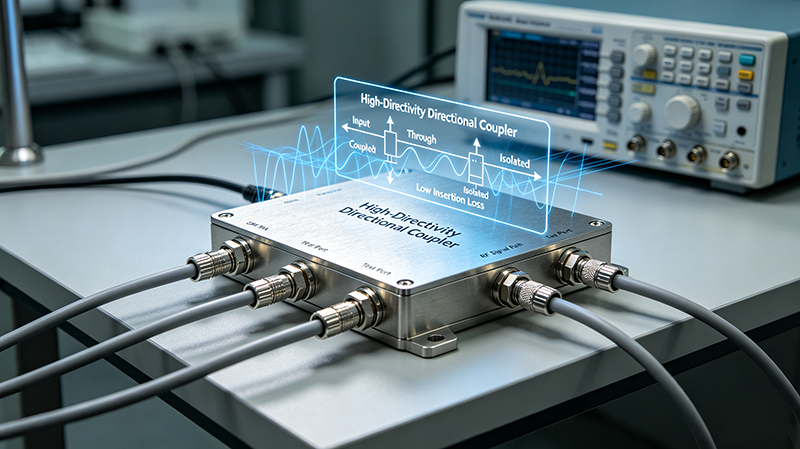
Microwave systems often require specialized test equipment, calibration procedures, and RF components. Vector network analyzers, microwave power sensors, spectrum analyzers, precision coaxial cables, waveguide components, attenuators, couplers, and microwave switches may all be required depending on the application.
Microwave Frequency vs. Lower RF Frequencies
|
Characteristic
|
Lower RF Frequencies
|
Microwave Frequencies
|
|
Wavelength
|
Longer
|
Shorter
|
|
Antenna Size
|
Generally larger
|
Generally smaller
|
|
Available Bandwidth
|
Often more limited
|
Potentially much wider
|
|
Directivity
|
More difficult to achieve with compact antennas
|
Highly directional antennas are practical
|
|
Propagation
|
Often better suited to non-line-of-sight coverage
|
Line-of-sight is commonly important
|
|
Atmospheric Effects
|
Usually less significant
|
Can become increasingly important at higher frequencies
|
|
Circuit Design
|
Generally less sensitive to physical dimensions
|
Highly sensitive to layout and parasitic effects
|
Common Applications of Microwave Frequencies
Wireless Communication
Microwave frequencies are widely used for high-capacity point-to-point communication, cellular infrastructure, fixed wireless access, and other wireless networks.
Satellite Communication
Satellite systems commonly operate in microwave bands such as C, X, Ku, and Ka. These frequencies provide a practical combination of antenna size, bandwidth, and directional gain for space communication.
Radar Systems
Radar uses microwave signals to detect and track objects, measure distance and velocity, and characterize environmental conditions. Applications include aviation, defense, automotive safety, weather monitoring, and industrial sensing.
5G and Millimeter-Wave Communications
Some 5G deployments use higher-frequency spectrum in the sub-6 GHz range, while other systems use millimeter-wave bands. Higher frequencies can provide very wide bandwidth but typically require denser network infrastructure and careful propagation planning.
Industrial and Scientific Equipment
Microwave energy is also used in industrial heating, material processing, laboratory instruments, spectroscopy, imaging, and scientific research.
Microwave Components Used in RF Systems
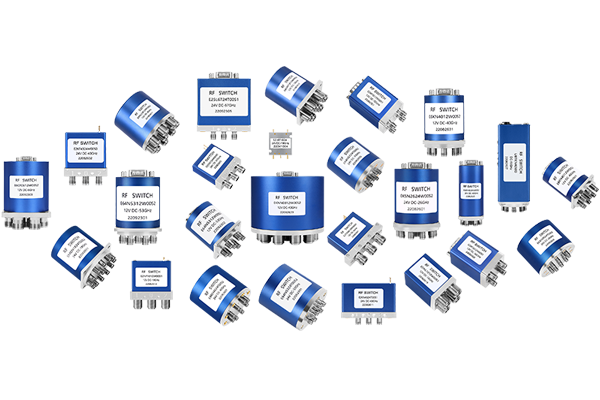
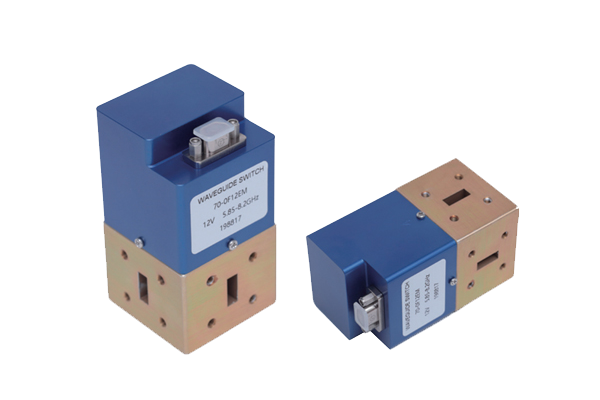
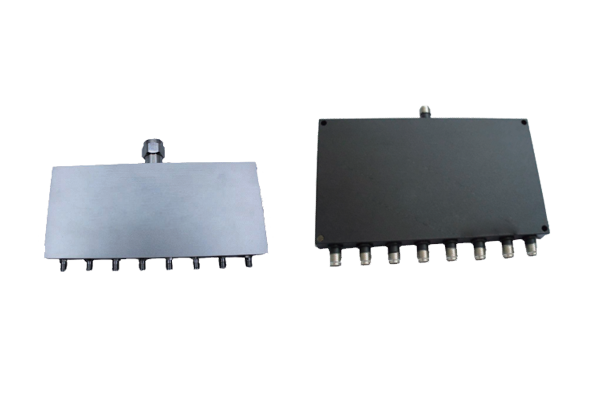
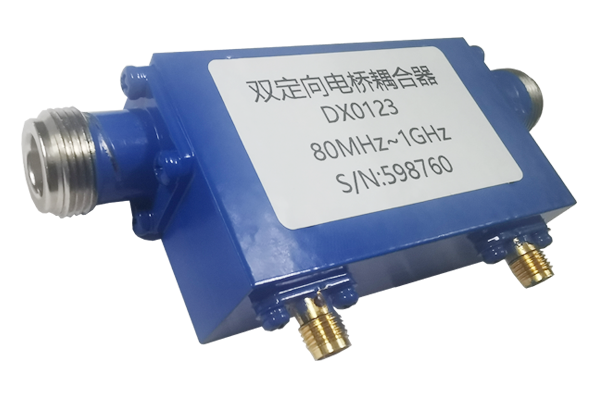
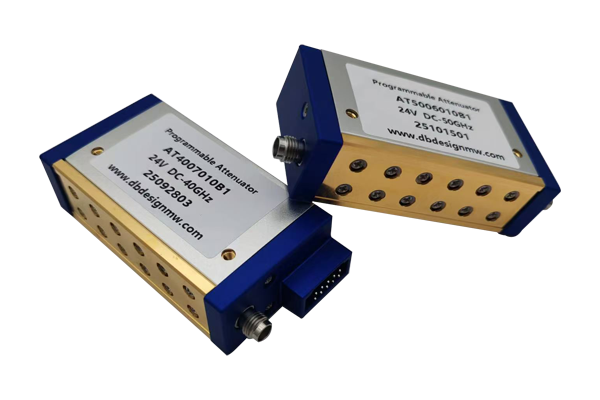
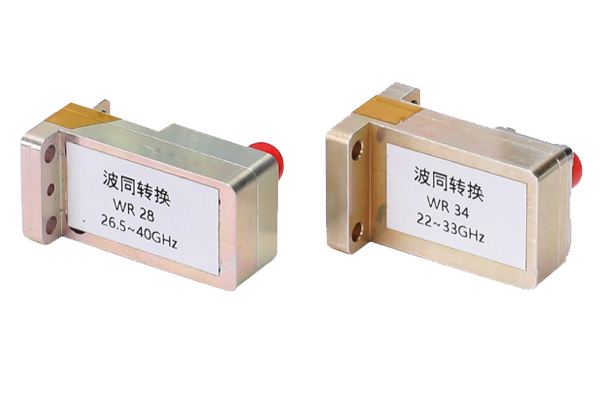
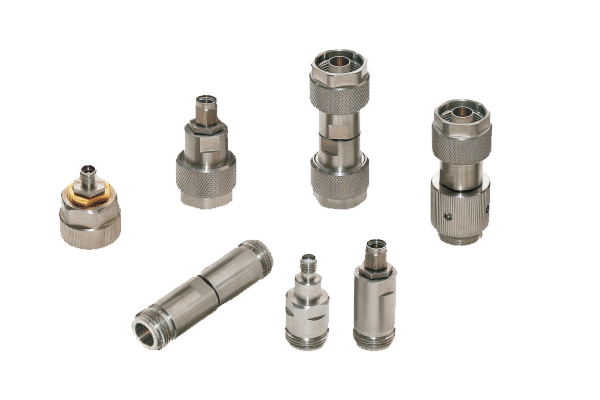
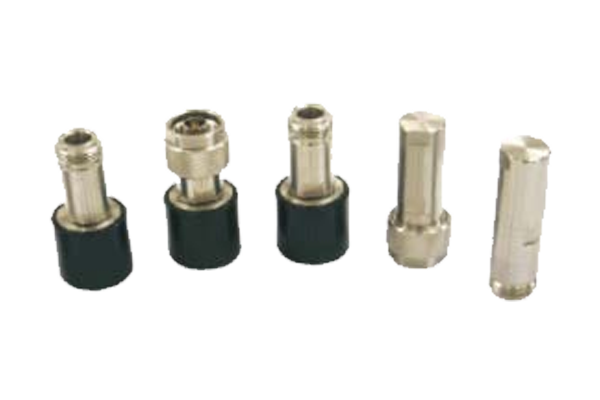
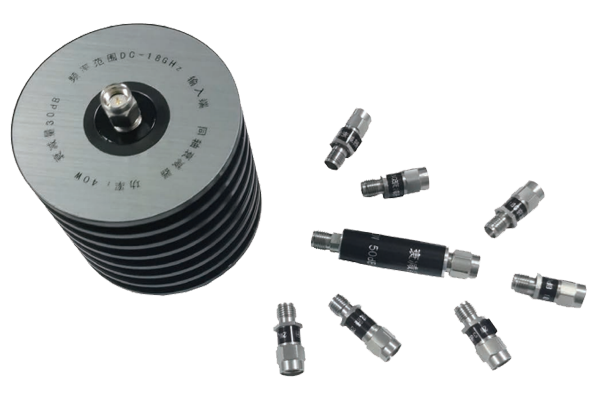
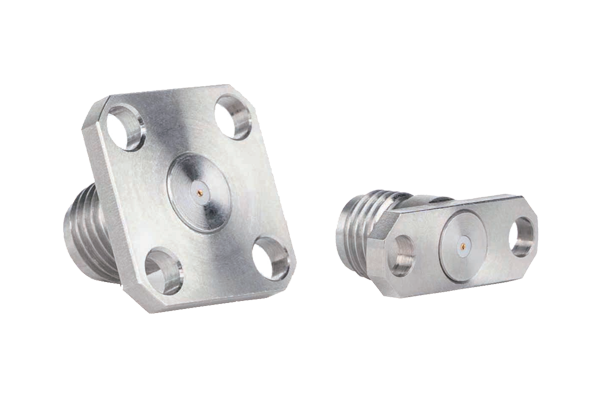
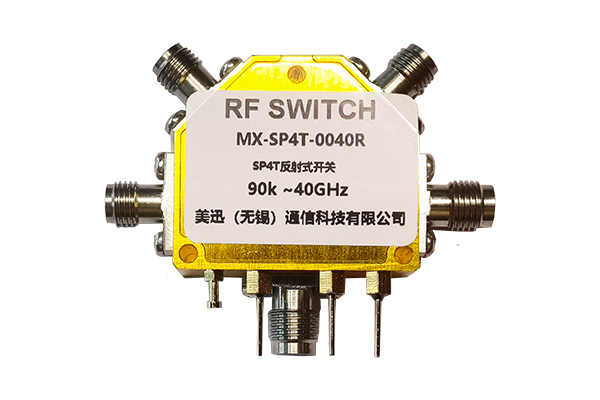
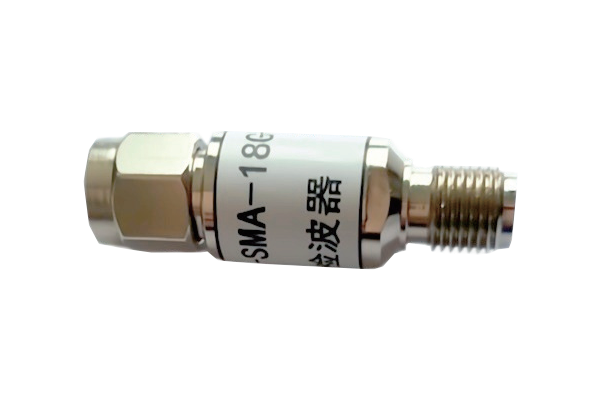
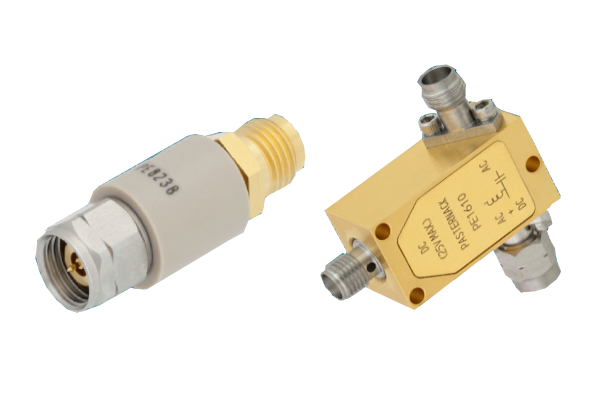
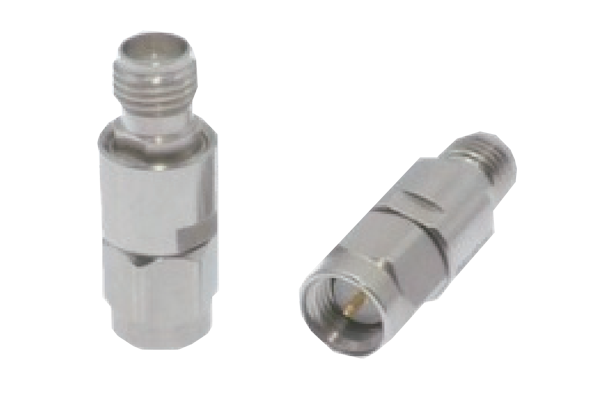
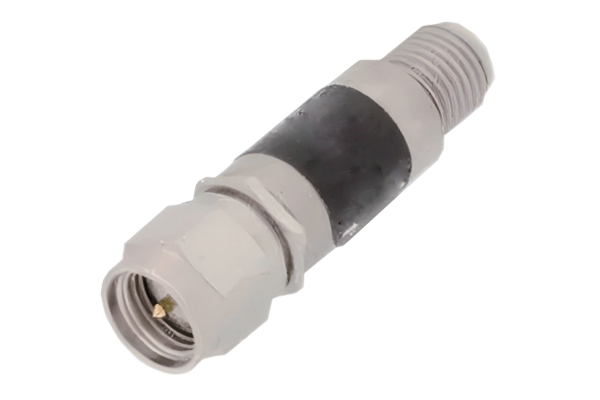
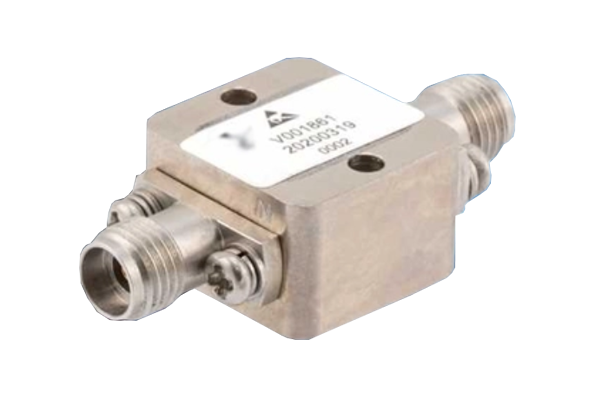
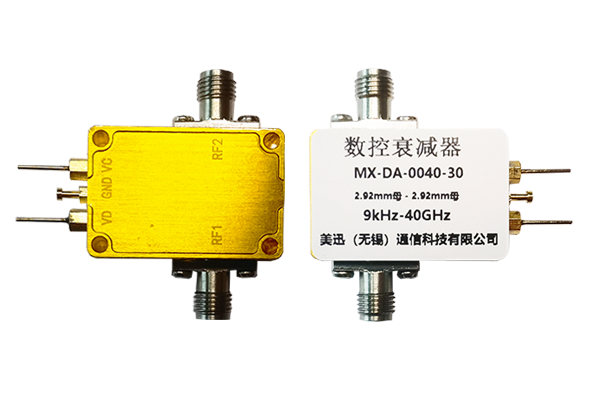
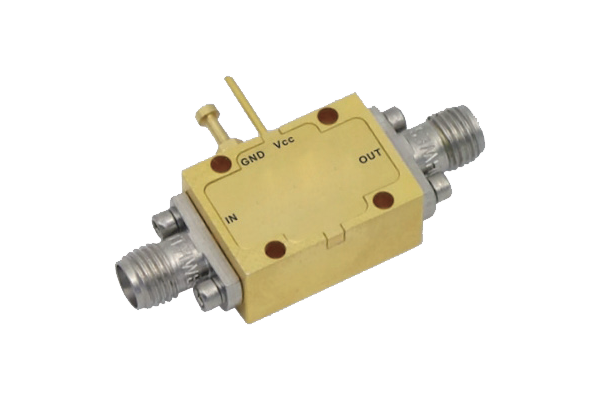
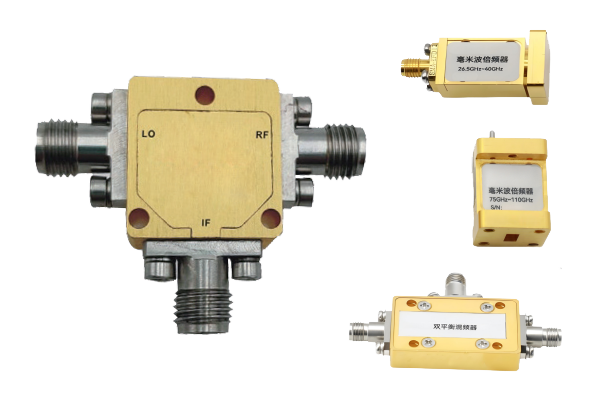
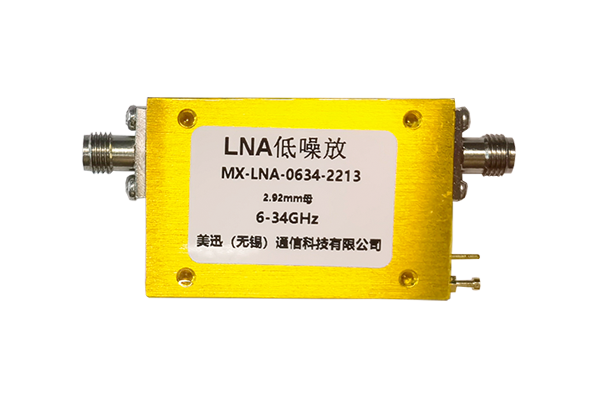
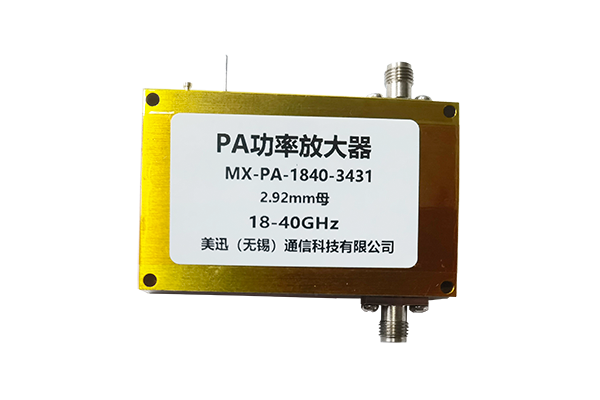
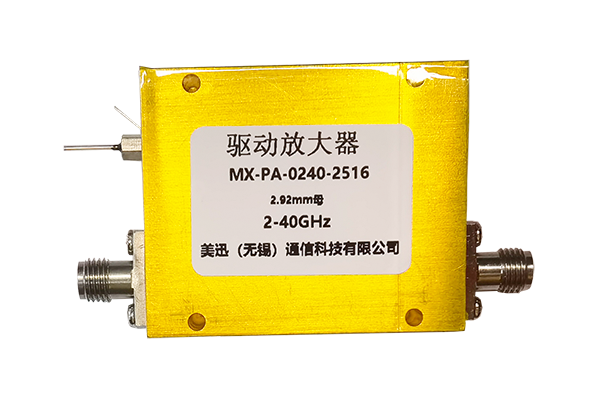
A complete microwave system depends on many specialized components. Common microwave components include:
At higher frequencies, component specifications such as VSWR, insertion loss, return loss, isolation, power handling, frequency range, phase stability, and connector type become especially important.
How to Choose the Right Microwave Frequency
Selecting a microwave operating frequency should not be based solely on the desire for a higher data rate. Engineers need to evaluate the complete application and RF environment.
-
Define the required bandwidth: Determine the data rate, modulation method, channel bandwidth, and spectrum availability.
-
Evaluate propagation conditions: Consider distance, terrain, atmospheric absorption, rain attenuation, and line-of-sight requirements.
-
Consider antenna size and gain: Higher frequencies allow compact antennas, but the required gain and beamwidth must also be evaluated.
-
Check regulatory requirements: Frequency allocations, transmit power, bandwidth, and licensing requirements vary by region and application.
-
Evaluate RF component performance: Make sure connectors, switches, amplifiers, filters, cables, and other components cover the target frequency with adequate performance margin.
-
Analyze system cost: Higher-frequency systems can require more sophisticated components, manufacturing processes, calibration, and testing.
Microwave Frequency Range and RF Testing
Accurate RF testing becomes increasingly important as operating frequency rises. Small impedance discontinuities can cause measurable reflections, insertion loss, or phase errors.
For microwave measurements, engineers commonly use a vector network analyzer (VNA) to characterize parameters such as S11, S21, return loss, insertion loss, and isolation.
Proper calibration and high-quality test components are essential. Connectors should be carefully mated, cables should be appropriate for the operating frequency, and adapters should be minimized where possible to reduce additional uncertainty.
Practical tip: When testing microwave components, the measurement setup itself becomes part of the RF system. Connector quality, cable stability, calibration plane, impedance matching, and fixture design can all affect the measured result.
Frequently Asked Questions
What frequency range is considered microwave?
Microwave frequency is commonly described as approximately 300 MHz to 300 GHz, although exact definitions vary among engineering disciplines and standards. Some applications use 1 GHz as the lower boundary.
What is the wavelength of microwave frequency?
At 300 MHz, the free-space wavelength is approximately 1 meter. At 300 GHz, it is approximately 1 millimeter. Therefore, the microwave spectrum covers wavelengths from roughly 1 meter to 1 millimeter.
What are the main advantages of microwave frequencies?
The main advantages include wide bandwidth, smaller antennas, high antenna directivity, efficient point-to-point communication, and strong performance for radar and sensing applications.
What are the disadvantages of microwave frequencies?
Major disadvantages include increased free-space path loss, line-of-sight requirements, atmospheric and rain attenuation at higher frequencies, greater circuit complexity, and more demanding measurement requirements.
Are microwave frequencies used in 5G?
Yes. 5G networks use multiple frequency ranges, including sub-6 GHz spectrum and higher-frequency millimeter-wave bands. Higher-frequency 5G can provide very wide bandwidth but generally has shorter propagation distances and greater sensitivity to obstructions.
Why are microwave frequencies useful for radar?
Microwave wavelengths enable relatively compact high-gain antennas and can provide good spatial resolution. Different microwave bands are selected according to the radar's required range, resolution, penetration, atmospheric performance, and antenna characteristics.
Conclusion
Microwave frequency range is a critical part of modern RF engineering, typically covering approximately 300 MHz to 300 GHz. Its short wavelengths and broad spectrum make microwave technology highly valuable for communication, radar, satellite systems, sensing, navigation, and advanced wireless applications.
However, higher frequency also introduces engineering challenges. Free-space path loss, atmospheric attenuation, rain effects, line-of-sight requirements, impedance discontinuities, and component tolerances become increasingly important.
The best microwave frequency is therefore not necessarily the highest available frequency. Engineers should select a frequency based on bandwidth, propagation distance, antenna requirements, environmental conditions, regulatory constraints, RF component performance, system cost, and application requirements.
For reliable microwave system design, every part of the RF signal chain—from antennas and transmission lines to connectors, switches, amplifiers, filters, couplers, and test equipment—must be designed for the target frequency range.
Recommended SEO keywords: microwave frequency range, what is microwave frequency, microwave frequency bands, microwave frequencies, microwave spectrum, RF microwave frequency, microwave communication, microwave radar, microwave applications, millimeter wave frequency.