


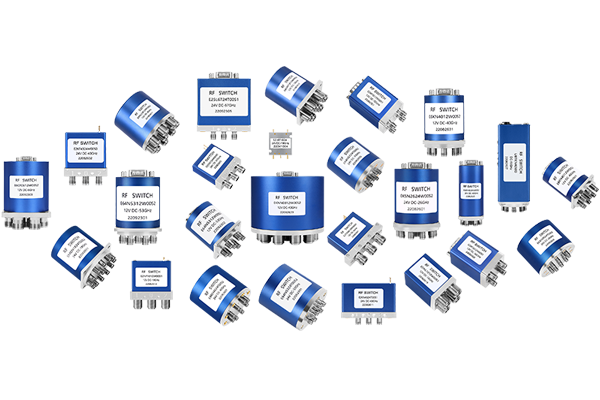
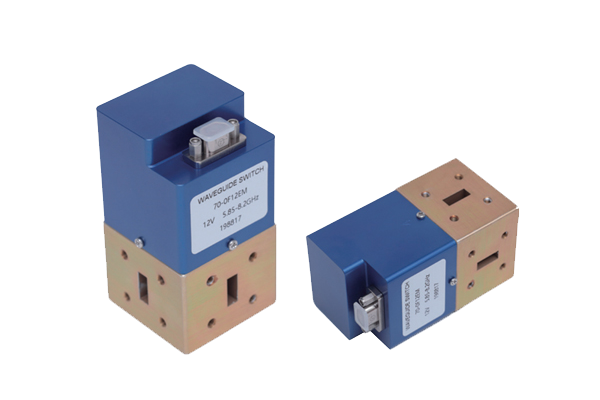
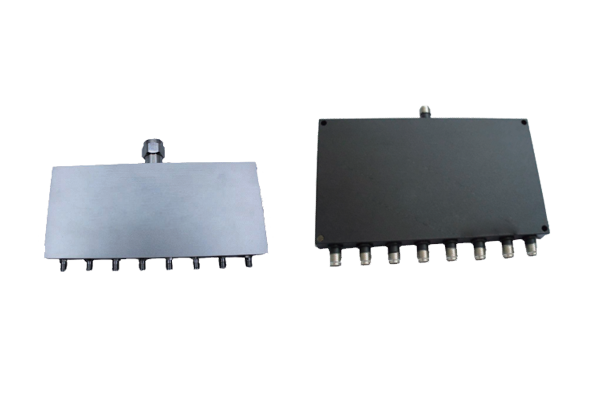
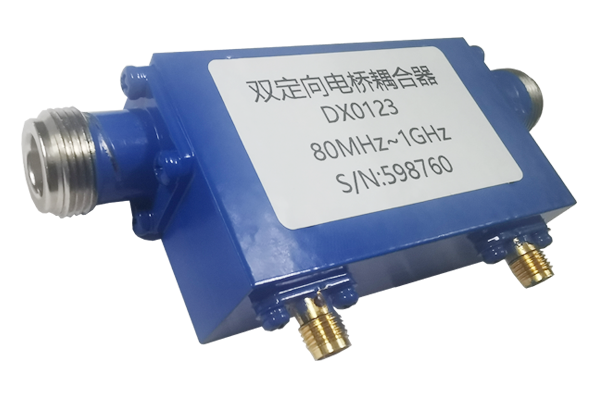
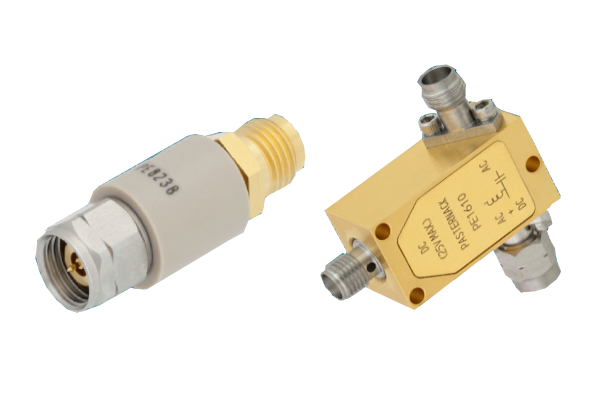
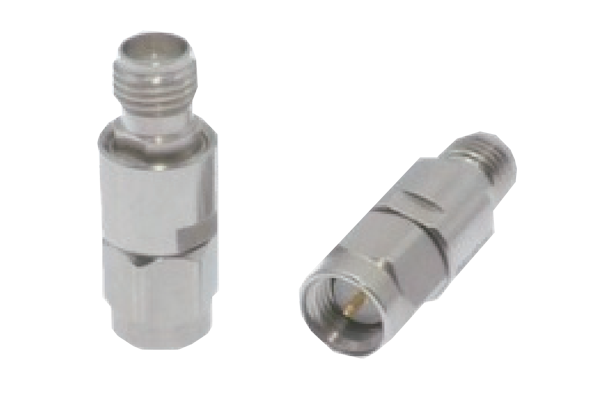
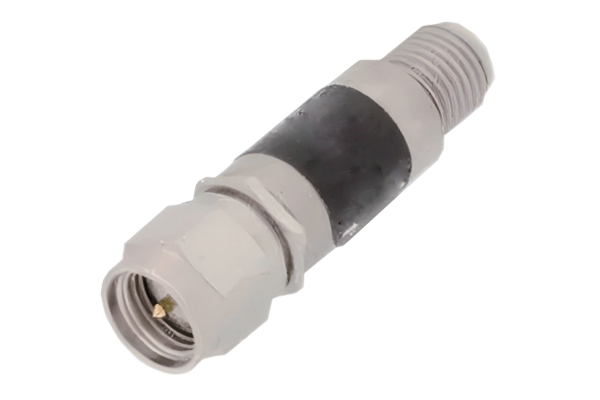
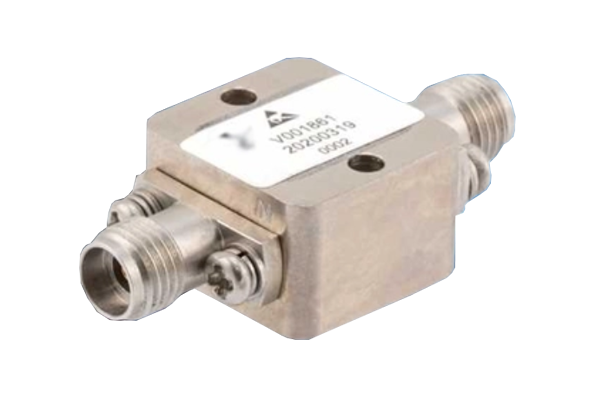




Satellite communication systems require extremely reliable RF signal routing solutions to support data transmission, telemetry, tracking, and command operations. RF microwave switches play a critical role in these systems by controlling high-frequency signal paths, enabling flexible channel switching, redundancy management, and efficient utilization of satellite communication resources.
With the increasing demand for high-speed satellite internet, military communication, and next-generation space networks, advanced microwave switches with low insertion loss, high isolation, and excellent reliability have become essential components in satellite RF systems.
What Are RF Microwave Switches?
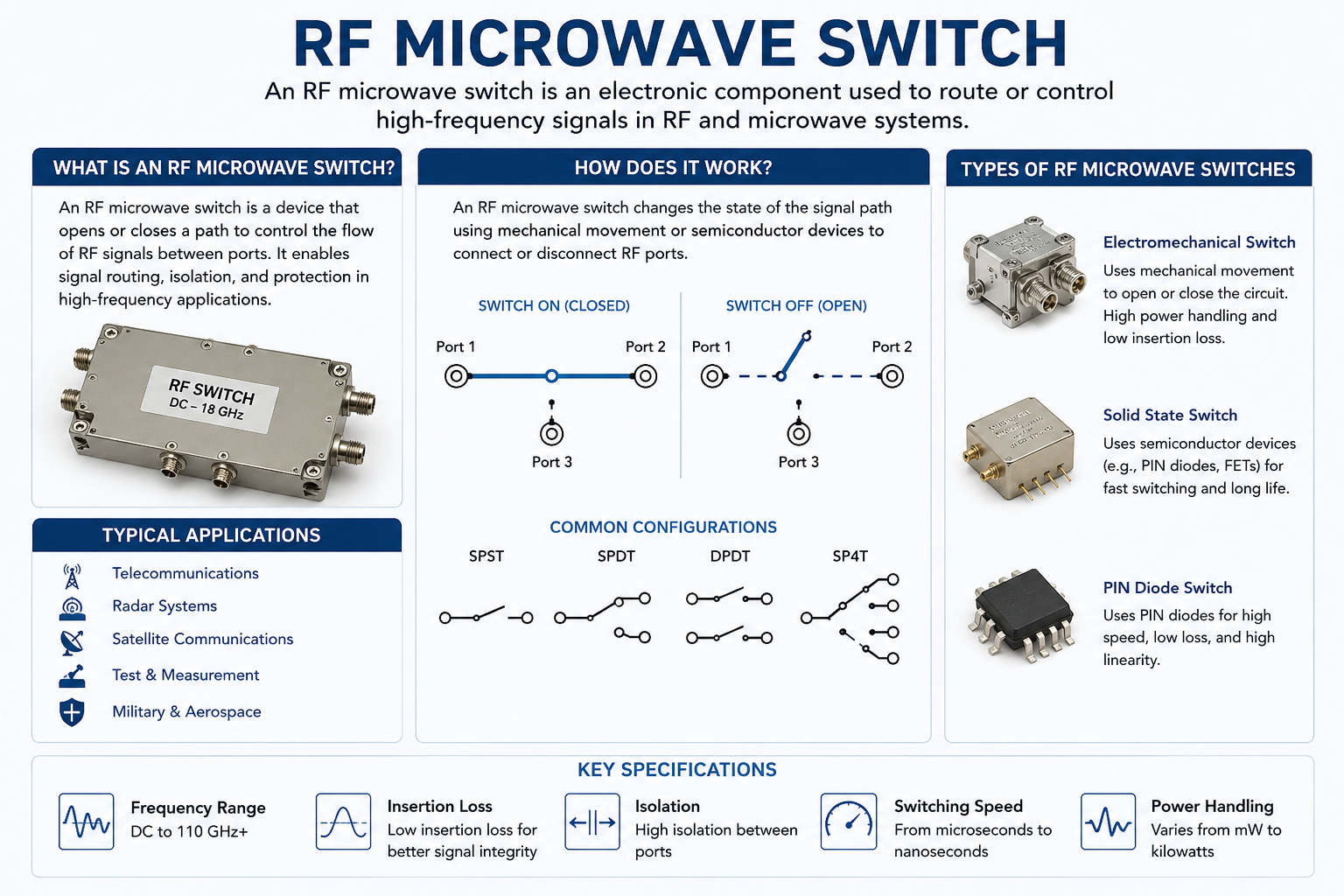
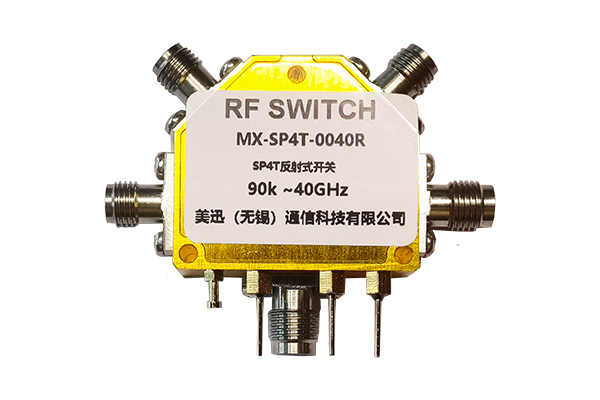
An RF microwave switch is an electronic device used to control the connection between multiple RF signal paths. It allows engineers to connect or disconnect microwave transmission lines without manually changing cables or hardware.
In satellite communication systems, RF switches operate at frequencies ranging from hundreds of MHz to tens of GHz, depending on the application. They are commonly used in satellite payloads, ground stations, antenna systems, and RF testing equipment.
The primary function of an RF microwave switch is to provide fast and reliable signal routing while maintaining excellent RF performance under demanding space and communication conditions.
Why RF Microwave Switches Are Important in Satellite Communication
Satellite communication systems contain multiple RF channels, antennas, amplifiers, and transceivers. RF switches provide the flexibility needed to manage these complex signal networks.
- Signal Routing: Direct RF signals between antennas, receivers, and transmitters.
- Redundancy Switching: Automatically switch to backup components when failures occur.
- Channel Selection: Select different frequency bands or communication channels.
- Testing and Calibration: Enable automated RF measurement and system diagnostics.
- Antenna Management: Control multiple antenna paths in satellite payloads.
Types of RF Microwave Switches Used in Satellite Systems
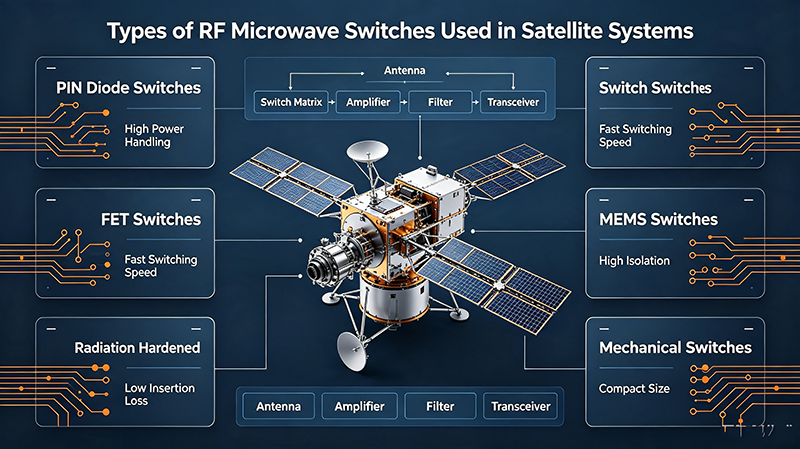
1. Electromechanical RF Switches
Electromechanical RF switches use mechanical contacts to control signal paths. They provide excellent RF performance with low insertion loss and high isolation.
These switches are widely used in satellite ground stations, test equipment, and applications requiring extremely low signal distortion.
2. PIN Diode Microwave Switches
PIN diode switches use semiconductor technology to achieve fast switching speeds and compact designs. They are commonly used in satellite communication payloads where high reliability and rapid switching are required.
3. Solid-State RF Switches
Solid-state switches provide high switching speed, long operational life, and excellent resistance to mechanical vibration. They are suitable for modern satellite systems requiring continuous operation.
Key RF Performance Parameters for Satellite Microwave Switches
| Parameter | Importance in Satellite Applications |
|---|---|
| Insertion Loss | Determines signal power loss when the switch is activated. Lower loss improves system efficiency. |
| Isolation | Prevents unwanted signal leakage between unused RF paths. |
| VSWR | Measures impedance matching quality and affects signal reflection. |
| Switching Speed | Important for fast channel switching and real-time communication. |
| Power Handling | Ensures reliable operation under high RF power conditions. |
| Frequency Range | Determines compatibility with satellite frequency bands. |
Applications of RF Microwave Switches in Satellite Communication
Satellite Payload Systems
Satellite payloads use RF switches to manage communication channels, frequency converters, amplifiers, and antenna systems. High-performance switches help maximize available bandwidth and improve operational flexibility.
Ground Station Networks
Ground stations rely on microwave switches for signal routing between antennas, receivers, transmitters, and monitoring equipment. Automated switching improves system efficiency and reduces maintenance time.
Satellite Testing and Measurement
During satellite development and maintenance, RF switches enable automated testing of multiple RF paths, reducing manual connections and improving measurement accuracy.
Challenges of Using RF Switches in Space Applications
- Extreme Environment: Components must withstand radiation, temperature changes, and vibration during launch.
- High Reliability Requirements: Satellite systems often operate for many years without physical maintenance.
- Low Power Consumption: Space systems require efficient components to reduce energy usage.
- Signal Integrity: RF switches must minimize loss and distortion to maintain communication quality.
How to Select the Right RF Microwave Switch for Satellite Applications
Choosing the correct RF switch depends on system requirements, operating frequency, power level, and reliability expectations.
- Frequency Compatibility: Select a switch that supports the required satellite communication band.
- Low Insertion Loss: Reduces signal attenuation and improves link performance.
- High Isolation: Protects sensitive receiver circuits from interference.
- Switch Configuration: Choose suitable configurations such as SPST, SPDT, SP6T, or SP12T based on routing requirements.
- Environmental Rating: Ensure the switch meets aerospace reliability standards.
Future Trends of RF Microwave Switches in Satellite Systems
The development of satellite communication is driving demand for smaller, faster, and more efficient RF switching technologies.
Future RF microwave switches will focus on:
- Higher frequency operation including Ka-band and beyond.
- Lower insertion loss for improved communication efficiency.
- Advanced solid-state technologies with longer lifetime.
- Integration with phased array antennas and software-defined satellites.
- Miniaturized designs for small satellites and CubeSat platforms.
Conclusion
RF microwave switches are essential components in modern satellite communication systems, providing reliable signal routing, redundancy control, and flexible RF network management.
As satellite networks continue to expand, high-performance microwave switches with low loss, high isolation, and advanced reliability will remain critical for achieving faster and more efficient space communication.