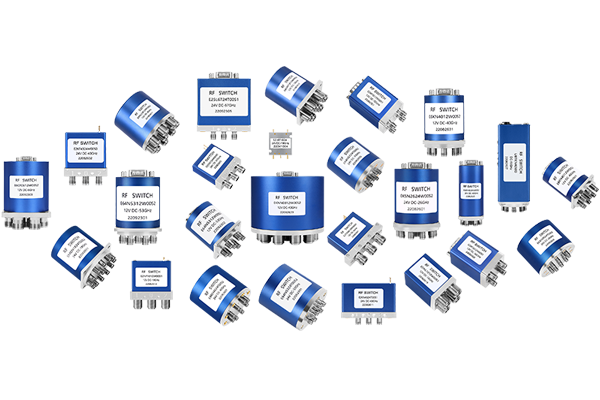
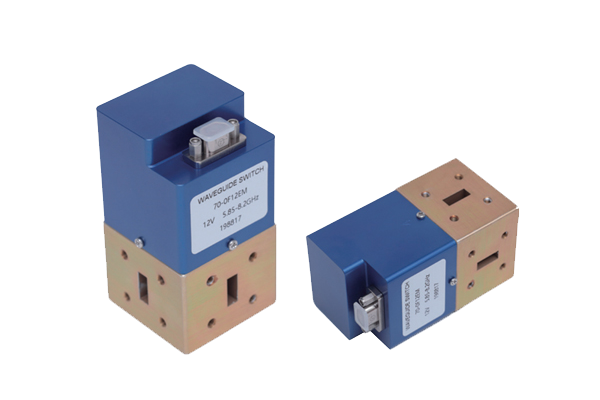
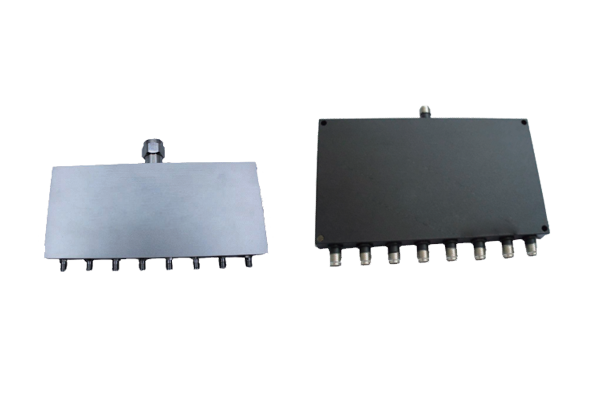
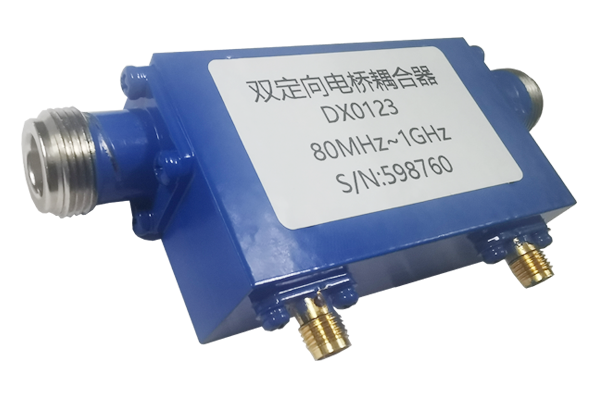
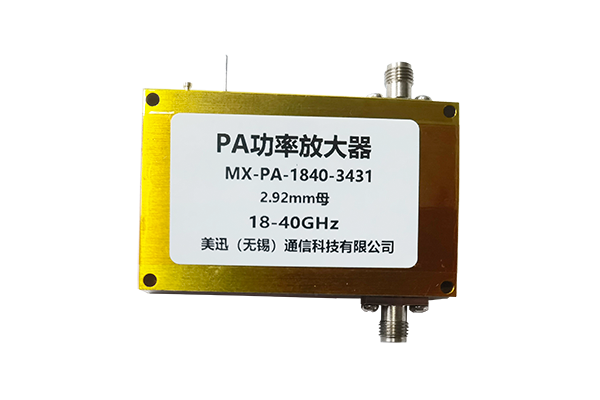
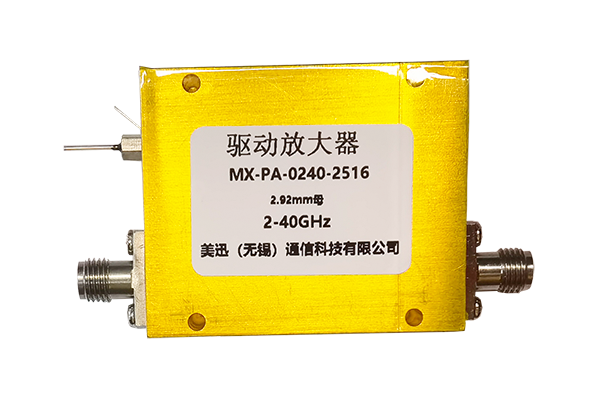
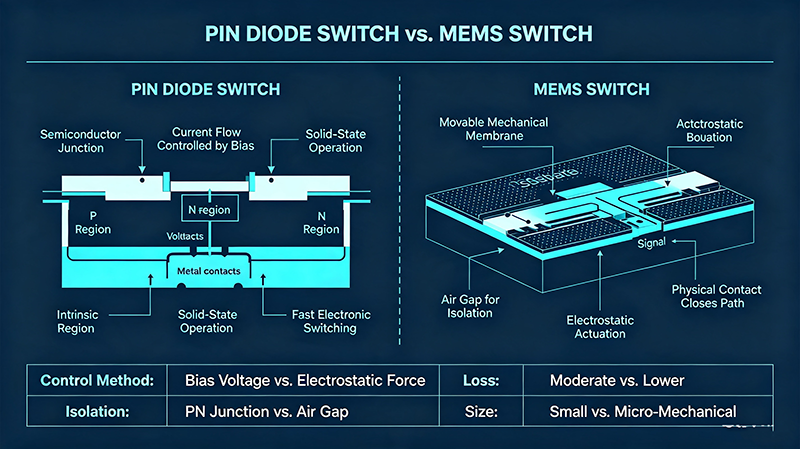
The wireless industry is undergoing a fundamental shift. Modular RF systems are redefining how engineers design, deploy, and scale radio frequency infrastructure. From 5G base stations to satellite payloads and defense electronics, modular architectures are replacing monolithic designs as the new standard for flexibility, performance, and cost efficiency.
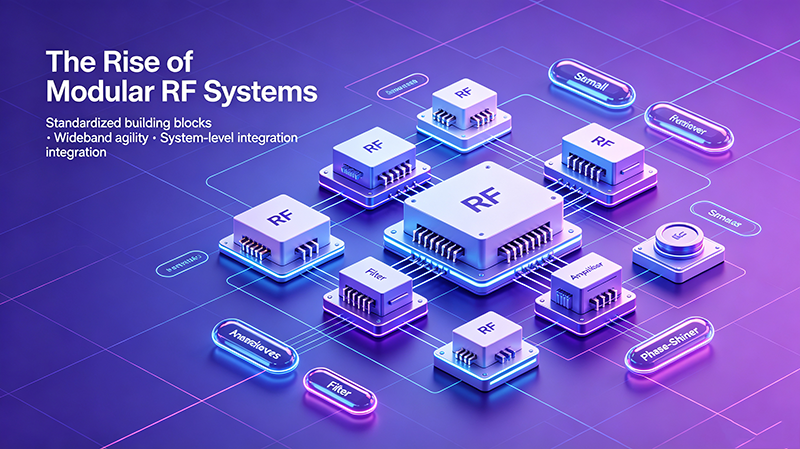
1. What Are Modular RF Systems?
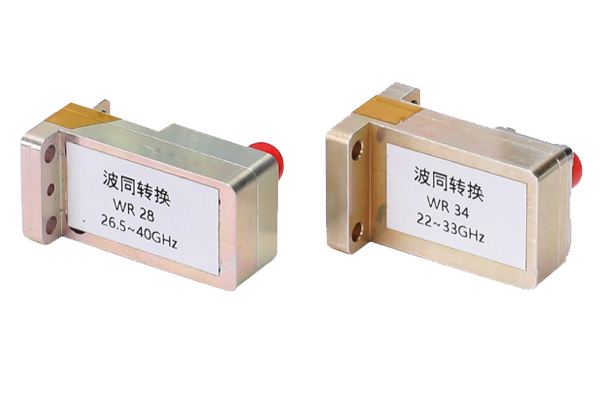
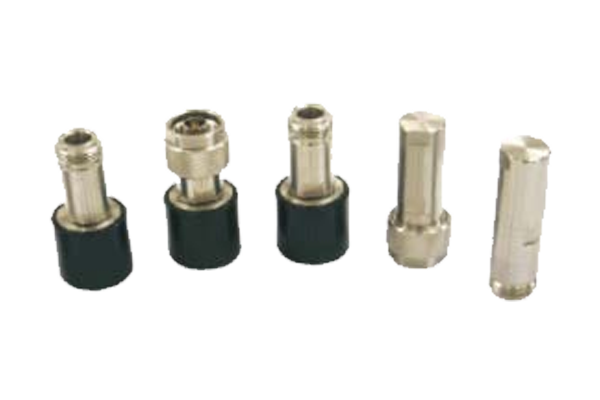
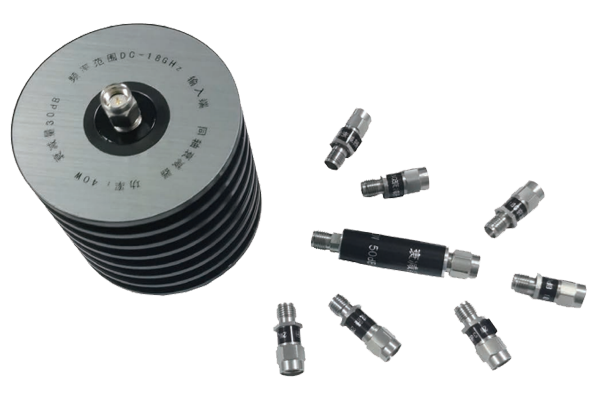
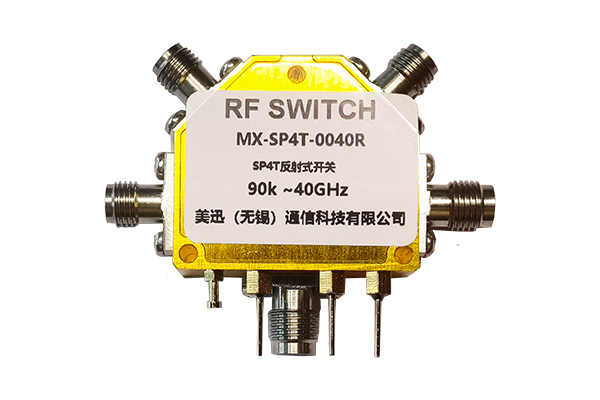
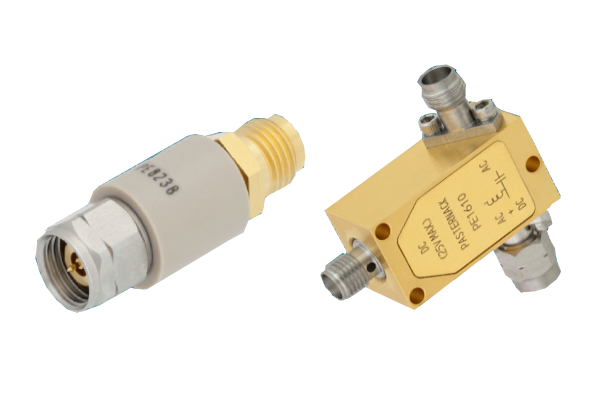
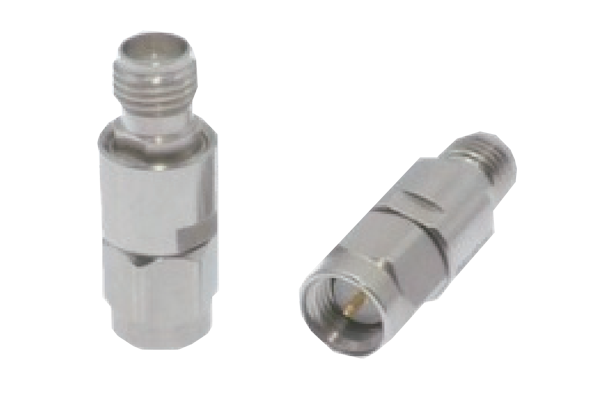
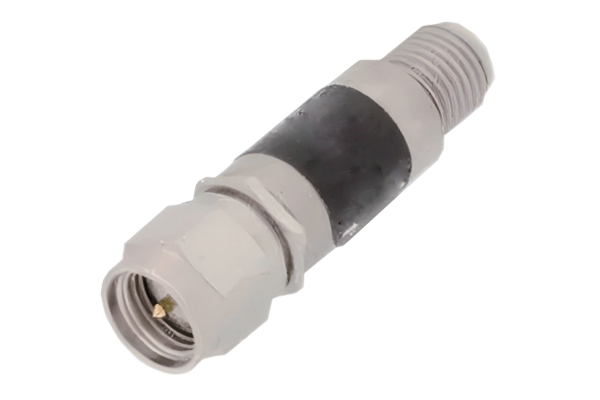
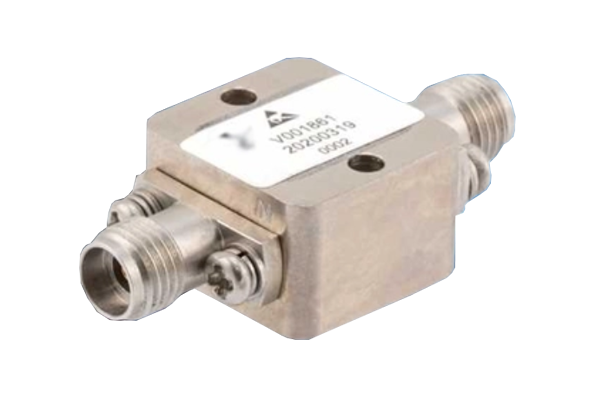
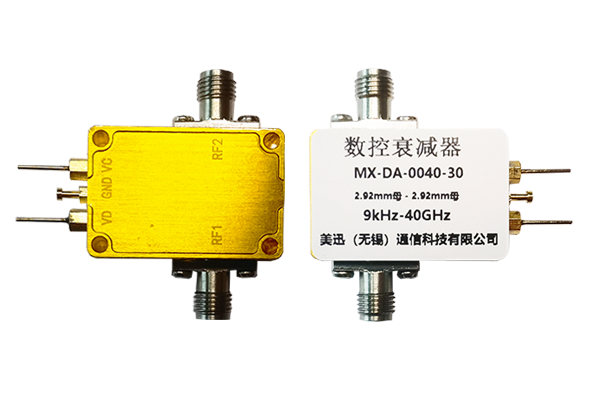
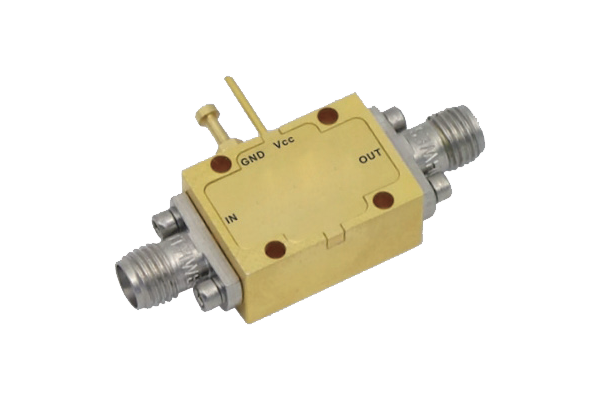
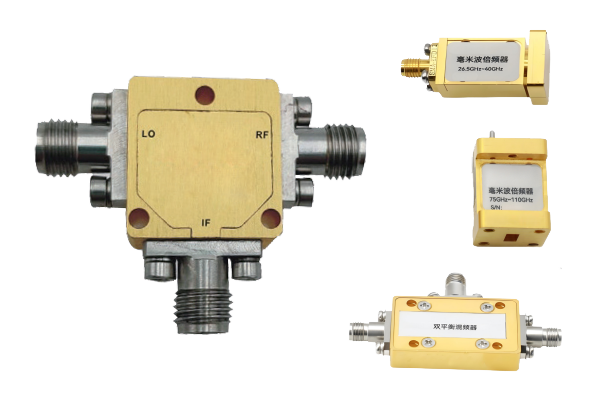
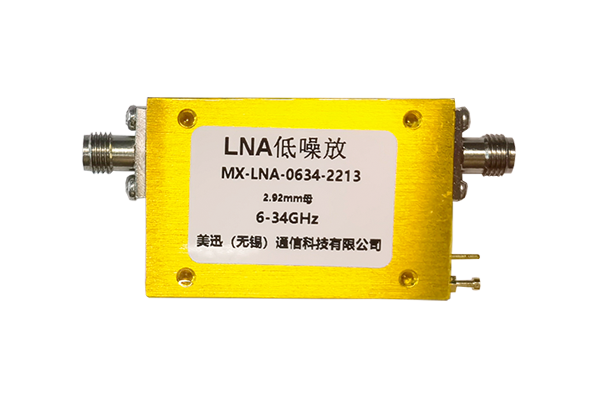
A modular RF system is a radio frequency architecture built from standardized, interchangeable subassemblies, such as amplifiers, filters, mixers, oscillators, and transceivers, that can be combined, upgraded, or swapped without redesigning the entire platform.
Unlike traditional RF chains built as a single integrated circuit or custom PCB, these designs follow a "Lego-like" philosophy. Each module performs a defined function with well-characterized input and output interfaces, enabling rapid prototyping, easier maintenance, and seamless technology insertion.
Core Idea: Decouple RF functionality into reusable building blocks so engineers can reconfigure systems for new frequencies, standards, or applications without starting from scratch.
2. Why Modular RF Is Gaining Momentum
Three converging forces are accelerating adoption:
5G
5G and Beyond
Operators need flexible multi-band, multi-standard radios that can evolve with each new 3GPP release.
$
Cost Pressure
Reusable modules reduce non-recurring engineering costs and shorten time-to-market.
AI
AI-Driven Design
Machine learning tools optimize module selection and signal chain configuration automatically.
SAT
Satellite Boom
Low Earth Orbit constellations demand reconfigurable ground and space-segment RF hardware.
3. Core Components of a Modular RF Architecture
A typical modular RF system is composed of several standardized blocks connected through well-defined electrical and mechanical interfaces.
01
Transceiver Modules
Integrated transmit and receive paths supporting multiple frequency bands and modulation schemes.
02
GaN and GaAs power modules optimized for efficiency across wide bandwidths.
03
Filter Banks
Tunable and switchable filters for spectrum shaping and interference rejection.
04
Frequency Synthesizers
Low-phase-noise PLL and DDS modules providing agile local oscillator signals.
05
Digital Predistortion
DPD modules that linearize amplifier behavior in real time for higher data rates.
06
Control and Interface Boards
Standardized control modules exposing APIs for software-defined configuration.
4. Market Trends Driving Adoption
The global modular RF market is expanding rapidly. Industry reports project the market to surpass $42 billion by 2030, growing at a compound annual growth rate of approximately 8.9 percent from 2026 onward.
$42B
Projected Market Value by 2030
70%
New Base Stations Using Modular RF
Telecommunications, aerospace and defense, and automotive radar are the leading verticals, with private 5G networks representing the fastest-growing segment.
5. Key Applications in 2026
5G and 6G Base Stations
Massive MIMO and mmWave arrays rely on modular radio units that can be swapped as standards evolve.
Satellite Communications
Reconfigurable payloads in LEO constellations use modular transponders to dynamically allocate bandwidth.
Electronic Warfare
Defense systems require rapid frequency hopping and threat adaptation, achievable only through modular RF chains.
Automotive Radar
77 GHz and 140 GHz radar modules for advanced driver assistance systems benefit from common building blocks.
Industrial IoT
Smart factories deploy modular wireless gateways supporting Wi-Fi 7, 5G, LoRa, and Bluetooth in a single chassis.
Test and Measurement
Modular instruments like PXI and VXI allow engineers to reconfigure test setups without new hardware.
6. Design and Engineering Benefits
-
Reusability: Modules designed once can be deployed across multiple platforms and product lines.
-
Scalability: Adding channels, bands, or features becomes a matter of plugging in additional modules.
-
Faster Prototyping: Engineers assemble working prototypes in days rather than months.
-
Simplified Upgrades: New standards or frequencies can be supported by swapping individual modules.
-
Lower Lifecycle Cost: Repairs and technology refreshes no longer require full system replacement.
-
Better Supply Chain Resilience: Standardized modules from multiple vendors reduce single-source risk.
7. Engineering Challenges to Overcome
Interface Standardization
Without widely adopted electrical and mechanical standards, module interoperability remains a hurdle. Industry consortia like the OpenRAN initiative are working to close this gap.
Signal Integrity
Modular connections introduce parasitic losses, mismatches, and crosstalk that must be carefully managed at high frequencies.
Thermal Management
Combining multiple high-power modules in a small enclosure creates significant cooling challenges, especially for GaN amplifiers.
EMI and Shielding
Each module boundary is a potential source of electromagnetic leakage, requiring precise enclosure design and filtering.
8. Modular vs Traditional RF Architecture
|
Parameter
|
Traditional RF
|
Modular RF
|
|
Design Approach
|
Monolithic, custom
|
Standardized blocks
|
|
Time to Market
|
12-24 months
|
3-6 months
|
|
Upgrade Path
|
Full redesign
|
Swap individual modules
|
|
Cost (Low Volume)
|
High
|
Moderate
|
|
Cost (High Volume)
|
Low
|
Very low
|
|
Flexibility
|
Limited
|
Very high
|
|
Best For
|
Single-purpose systems
|
Multi-standard platforms
|
9. The Future of Modular RF
Looking ahead, modular RF will merge with three transformative trends: software-defined radio, AI-driven signal chain optimization, and chiplet-based semiconductor integration. Together, these will create fully reconfigurable RF platforms capable of adapting in real time to spectrum conditions, regulatory changes, and emerging protocols.
2026
Massive MIMO radios adopt modular front-ends
2028
AI tools automate modular RF chain synthesis
2030
Chiplet RF modules become mainstream
2033+
Self-reconfiguring cognitive RF radios emerge
10. Frequently Asked Questions
What is a modular RF system?
It is a radio frequency architecture built from interchangeable sub-modules, each performing a specific function such as amplification, filtering, or frequency conversion.
How does modular RF differ from SDR?
Software-defined radio focuses on reconfigurability through digital signal processing, while modular RF focuses on reconfigurability through hardware interchange. The two are complementary and often combined.
What industries benefit most from modular RF?
Telecommunications, aerospace and defense, automotive radar, satellite communications, and test and measurement are the leading adopters.
Are modular RF systems more expensive?
Initial costs can be slightly higher, but lifecycle costs are significantly lower thanks to reusability, faster upgrades, and reduced engineering effort.
What standards govern modular RF?
Standards bodies such as the 3GPP, O-RAN Alliance, IEEE, and VITA provide frameworks for interoperable modular RF designs.
Stay Ahead of RF Innovation
Subscribe to our weekly newsletter for the latest in wireless design, RF architecture, and 5G/6G engineering.
Subscribe Now
This article is part of our RF Engineering Trends series. Reviewed by certified RF engineers and updated quarterly.