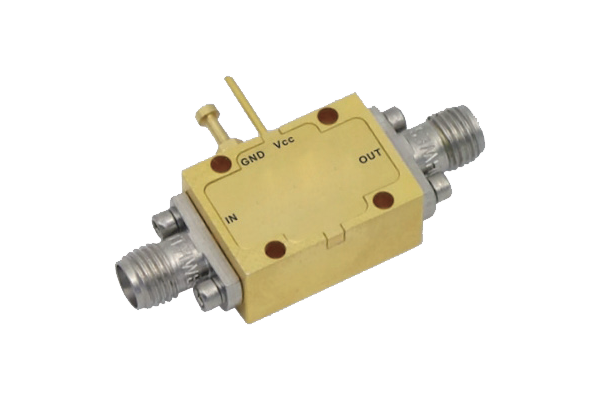
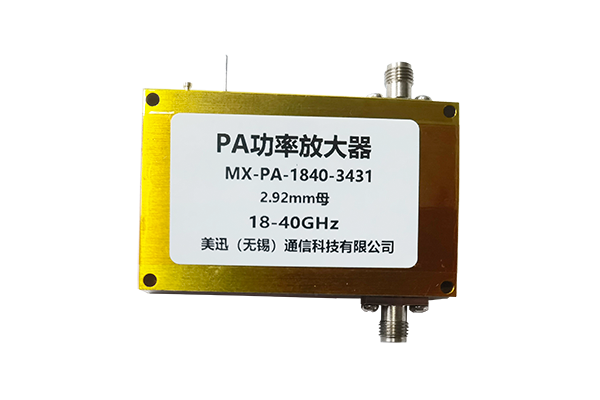
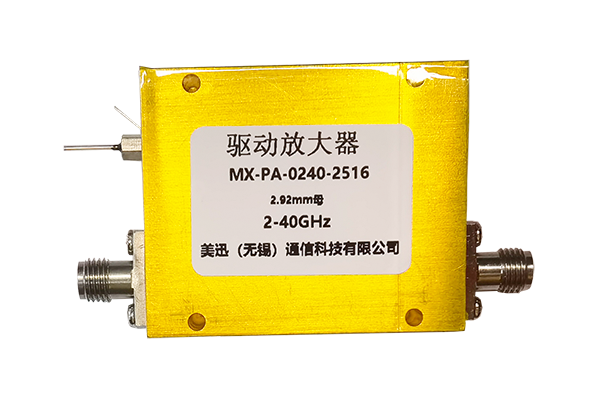
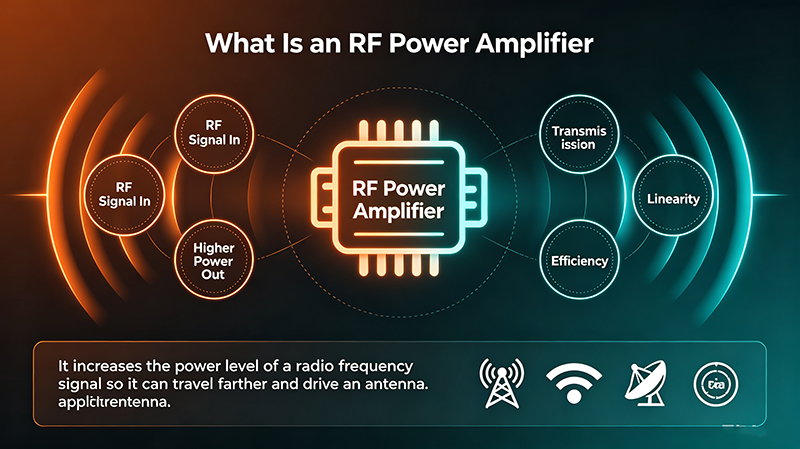
Radio Frequency (RF) power amplifiers are core electronic components that amplify low-power RF signals into high-power, stable radio frequency outputs. In modern medical systems, the RF power amplifier acts as the energy source for many diagnostic and therapeutic devices. Without reliable RF power amplifiers, a wide range of minimally invasive treatments and imaging systems cannot operate safely and accurately. This article discusses the critical role of RF power amplifiers in medical applications, main use cases, performance requirements, and design challenges for medical-grade RF amplification hardware.
1. Core Medical Applications of RF Power Amplifiers
Medical RF power amplifiers deliver controlled RF energy to biological tissues. Different medical devices require specific frequency bands, output power ranges, and waveform stability. The most common medical use cases are listed below:
RF Ablation Surgery: RF ablation uses amplified RF energy to heat and destroy abnormal tissue such as tumors, cardiac arrhythmia foci, and varicose veins. The RF power amplifier must maintain consistent power output while compensating for changing tissue impedance during procedures. Precise power control prevents overheating and damage to surrounding healthy organs.
Magnetic Resonance Imaging (MRI): MRI scanners use RF power amplifiers to transmit RF excitation pulses into the patient’s body. High linearity and phase stability are essential to produce uniform excitation signals, directly affecting image resolution, signal-to-noise ratio, and diagnostic accuracy.
Hyperthermia Cancer Therapy: Local and regional hyperthermia uses RF energy to raise tumor temperature to therapeutic levels. Medical RF power amplifiers provide continuous, adjustable RF power to maintain target temperature within a narrow safe window.
Electrosurgical Units (ESU): Electrosurgery tools rely on RF power amplifiers for cutting, coagulation, and tissue desiccation. Fast response power adjustment helps surgeons switch between cutting and coagulation modes instantly.
2. Why Medical-Grade RF Power Amplifiers Are Unique
General industrial RF amplifiers cannot replace medical RF power amplifiers. Medical equipment has strict safety standards and biological interaction requirements that set high design barriers.
2.1 High Stability and Linearity
Biological tissue impedance changes dynamically when RF energy is applied. Medical RF power amplifiers must quickly adjust output power to keep delivered energy stable. Poor linearity creates signal distortion, uneven tissue heating, and risks of unintended burns.
2.2 Patient Safety and Isolation
Electrical isolation, leakage current control, and fault protection circuits are mandatory for medical RF power amplifiers. Any leakage current or power runaway can cause patient injury. Medical amplifiers must comply with IEC 60601 medical electrical safety standards.
2.3 Reliability in Continuous Operation
Medical systems often run for long durations during surgery or imaging scans. RF power amplifiers need robust thermal management to avoid thermal drift and power derating under sustained load.
Key Takeaway: The importance of RF power amplifier for medical applications lies not only in power amplification, but in safe, controllable, and predictable RF energy delivery to human tissue. Performance deviations directly impact clinical outcomes and patient safety.
3. Current Trends in Medical RF Power Amplifier Development
Modern medical electronics push RF amplifier designs toward higher efficiency, smaller form factors, and digital control. Digital RF power amplifiers support real-time monitoring, closed-loop power regulation, and data logging, which helps clinicians track energy delivery during treatments. Gallium Nitride (GaN) semiconductor technology is increasingly adopted for medical RF amplifiers, offering higher power density, wider bandwidth, and improved thermal performance compared to traditional silicon-based devices.
Miniaturized RF power amplifiers also enable portable medical devices, bringing RF ablation and hyperthermia treatments to outpatient clinics and remote medical environments.
4. Conclusion
RF power amplifiers are foundational building blocks for many life-saving medical devices. The importance of RF power amplifier for medical applications spans diagnostic imaging and minimally invasive therapeutic procedures. Medical RF amplifier design must balance RF performance, electrical safety, thermal stability, and regulatory compliance. As minimally invasive medicine continues to advance, optimized RF power amplifier solutions will remain critical to improving treatment precision, reducing patient trauma, and expanding access to advanced RF-based medical therapies.
Keywords: RF power amplifier, medical applications, RF ablation, MRI RF amplifier, hyperthermia, electrosurgery, medical electronics