


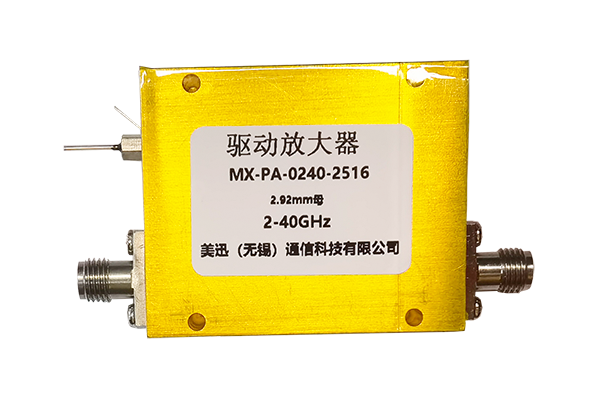




RF Switch Buying Guide: Key Specifications Every Engineer Should Know
RF switches are essential components in modern wireless communication, aerospace, defense, test and measurement, radar, and microwave systems. They control the routing of high-frequency signals between different circuits, antennas, or measurement paths. However, selecting the right RF switch can be challenging because engineers must evaluate multiple electrical and mechanical specifications to ensure optimal system performance.
This RF switch buying guide explains the key specifications every engineer should understand, including frequency range, insertion loss, isolation, switching speed, power handling, impedance, reliability, and application requirements. Understanding these parameters helps engineers choose the best RF switch solution for their specific designs.
What Is an RF Switch?
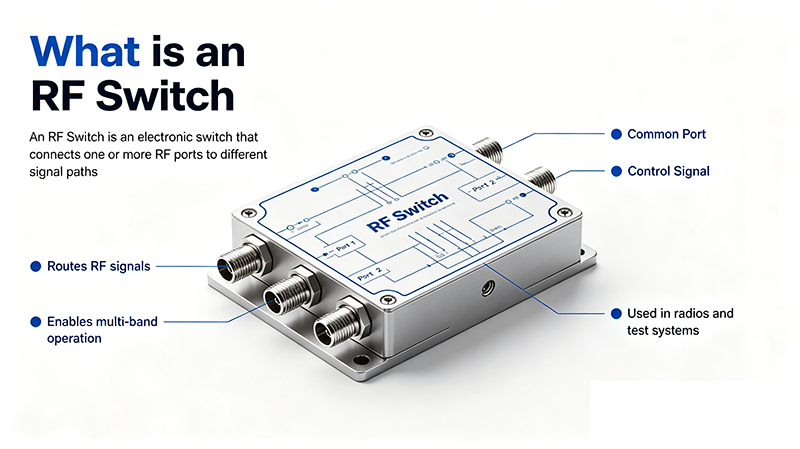
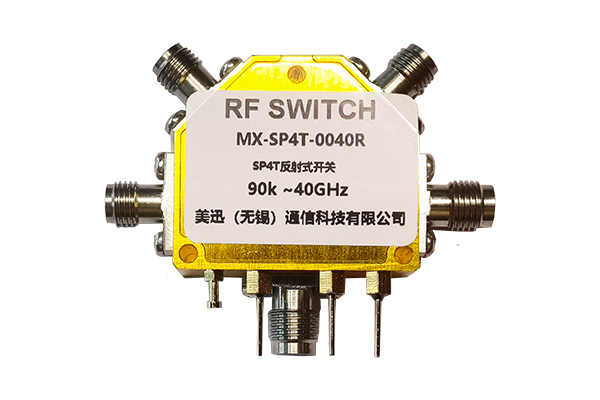
An RF switch is a device used to control the connection of radio frequency signals between multiple ports. It can connect, disconnect, or redirect RF signals while maintaining signal integrity at high frequencies.
RF switches are commonly used in communication systems, wireless networks, satellite systems, automated test equipment, and radar applications. Depending on the design, RF switches can operate from low MHz frequencies to millimeter-wave frequency ranges.
Why Choosing the Right RF Switch Matters
Poor RF switch selection can negatively impact system performance. Excessive insertion loss, insufficient isolation, or incorrect frequency capability may cause signal degradation, interference, and reduced reliability.
- Maintains signal quality in high-frequency systems
- Reduces signal loss and unwanted interference
- Improves system reliability and operational lifetime
- Supports advanced RF architectures such as MIMO and phased arrays
- Ensures compatibility with existing RF components
Key Specifications to Consider When Buying an RF Switch
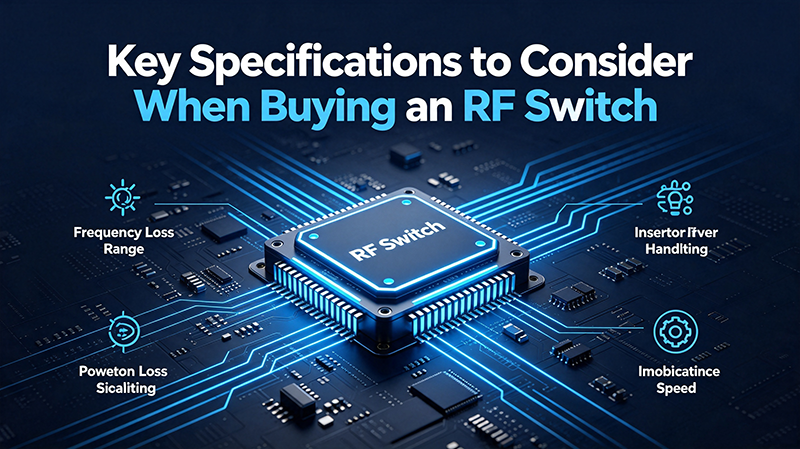
1. Frequency Range
Frequency range is one of the most important specifications when selecting an RF switch. The switch must support the operating frequency of the RF system without excessive attenuation or performance degradation.
For example, applications such as 5G communication, satellite links, and millimeter-wave testing may require switches operating above 20 GHz, 40 GHz, or even higher.
2. Insertion Loss
Insertion loss describes the amount of signal power lost when the RF switch is turned on. Lower insertion loss means better signal transmission efficiency.
High-performance RF systems typically require low insertion loss to maximize output power, improve sensitivity, and maintain overall system efficiency.
3. Isolation
Isolation measures how well an RF switch prevents unwanted signals from passing between inactive ports. High isolation is especially important in multi-channel systems where several RF signals operate simultaneously.
A high-isolation RF switch helps minimize interference and improves signal accuracy in communication and measurement applications.
4. Switching Speed
Switching speed determines how quickly an RF switch can change signal paths. The required switching speed depends on the application.
- Fast switching is critical for phased array antennas and radar systems
- Moderate switching speed is often sufficient for laboratory testing
- Electromechanical switches provide high reliability but slower operation
- PIN diode and solid-state switches provide faster switching performance
5. Power Handling Capability
Power handling capability defines the maximum RF power that a switch can safely handle. Selecting a switch with insufficient power capacity may result in signal distortion, overheating, or permanent damage.
Engineers should consider both continuous wave (CW) power and peak power requirements when choosing an RF switch.
6. Impedance Matching
Most RF systems use a characteristic impedance of 50 ohms. A properly matched RF switch minimizes signal reflection and maintains low VSWR performance.
Poor impedance matching can increase return loss and reduce overall RF system efficiency.
7. VSWR and Return Loss
VSWR indicates how effectively RF energy is transferred through the switch. Lower VSWR values represent better impedance matching and improved signal performance.
Low return loss is particularly important in high-frequency microwave and millimeter-wave applications.
Common Types of RF Switches
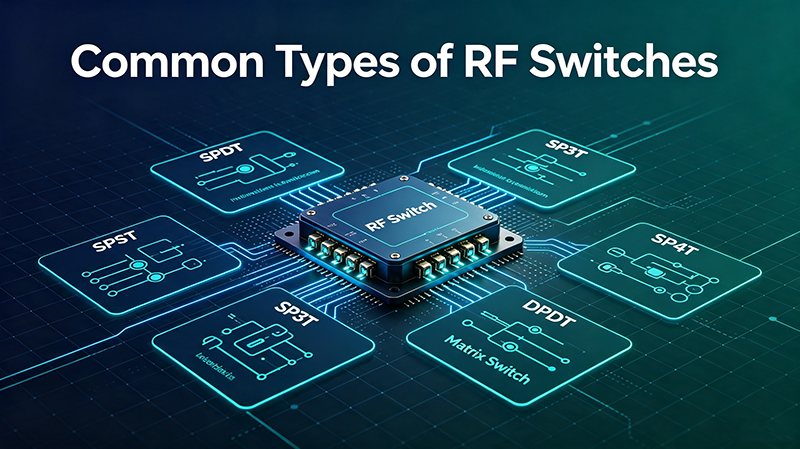
| RF Switch Type | Main Advantages | Typical Applications |
|---|---|---|
| Electromechanical RF Switch | High isolation, excellent power handling, low loss | Test equipment, aerospace, defense systems |
| PIN Diode RF Switch | Fast switching speed and compact design | 5G systems, radar, antenna switching |
| Solid-State RF Switch | High reliability and long operating life | Wireless communication systems |
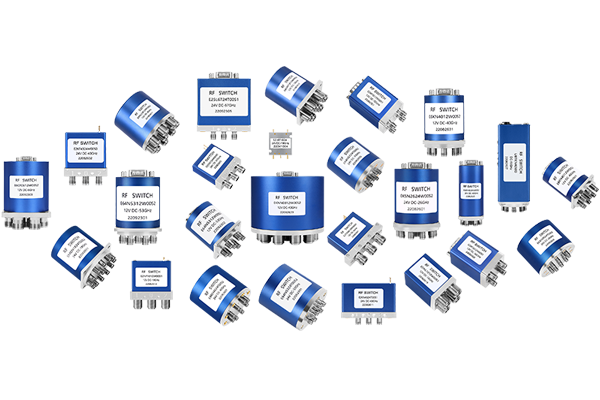
| Coaxial RF Switch | Wide frequency range and excellent RF performance | RF measurement and laboratory testing |
How to Select an RF Switch for Different Applications
RF Test and Measurement
Test systems usually require excellent repeatability, high isolation, and low insertion loss. Coaxial electromechanical switches are commonly used because of their accuracy and reliability.
5G and Wireless Communication
5G systems require compact, fast, and high-frequency RF switches to support beamforming, multi-band operation, and antenna control.
Radar and Defense Systems
Radar applications often require high power handling, fast switching speed, and extreme environmental reliability.
Satellite Communication
Satellite systems require RF switches with excellent stability, low signal loss, and long operational lifetime.
Questions Engineers Should Ask Before Purchasing an RF Switch
- What frequency range does the system require?
- What is the maximum RF power level?
- How much insertion loss is acceptable?
- What isolation performance is required?
- Is switching speed a critical factor?
- Does the switch need custom configurations?
- What environmental conditions will the switch operate in?
Choosing a Reliable RF Switch Manufacturer
A professional RF switch manufacturer should provide accurate specifications, high-quality production, and engineering support for different applications.
- Wide frequency coverage from RF to microwave bands
- Strict quality control and performance testing
- Custom RF switch design capability
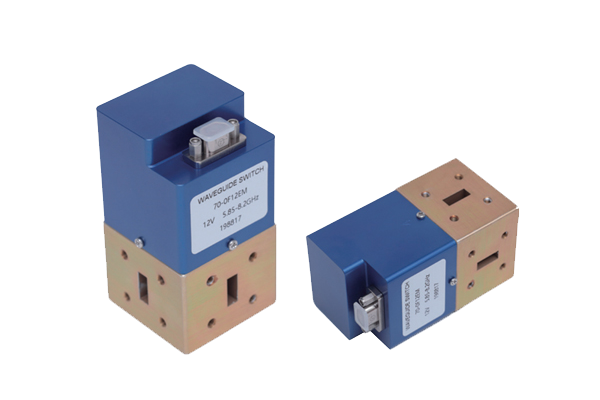
- Support for coaxial, waveguide, and solid-state solutions
- Experience in communication, aerospace, and defense industries
Conclusion
Choosing the right RF switch requires a complete understanding of key specifications such as frequency range, insertion loss, isolation, switching speed, power handling, and VSWR. Each application has unique requirements, and selecting the correct RF switch can greatly improve system performance and reliability.
By evaluating these critical parameters and working with an experienced RF switch supplier, engineers can ensure their RF systems achieve excellent signal integrity, efficiency, and long-term performance.
About the Author — MeiXun Team
Chief Engineer Wang
High-tech Enterprise, Feifeng Talent
Chief Engineer Wang graduated with a master's degree in high-power microwave from the Institute of Electronics, University of Chinese Academy of Sciences.
View Full Profile- RF Switch Circuit Diagram
- RF Switch
- Ohm's Law
- dBm to Watt
- mW to dBm
- Wavelength to Frequency
- RF Connector
- SMA Connector
- RF Switch Module
- RF Coupler
- RF PIN Switch
- Microwave Coaxial Switch
- PIN Switch
- Coaxial RF Switch
- Waveguide Switch
- Microwave Switch
- Low Noise Amplifier
- PIN Diode Switch
- Coaxial Switch
- RF Microwave Switch
- SPST Switch