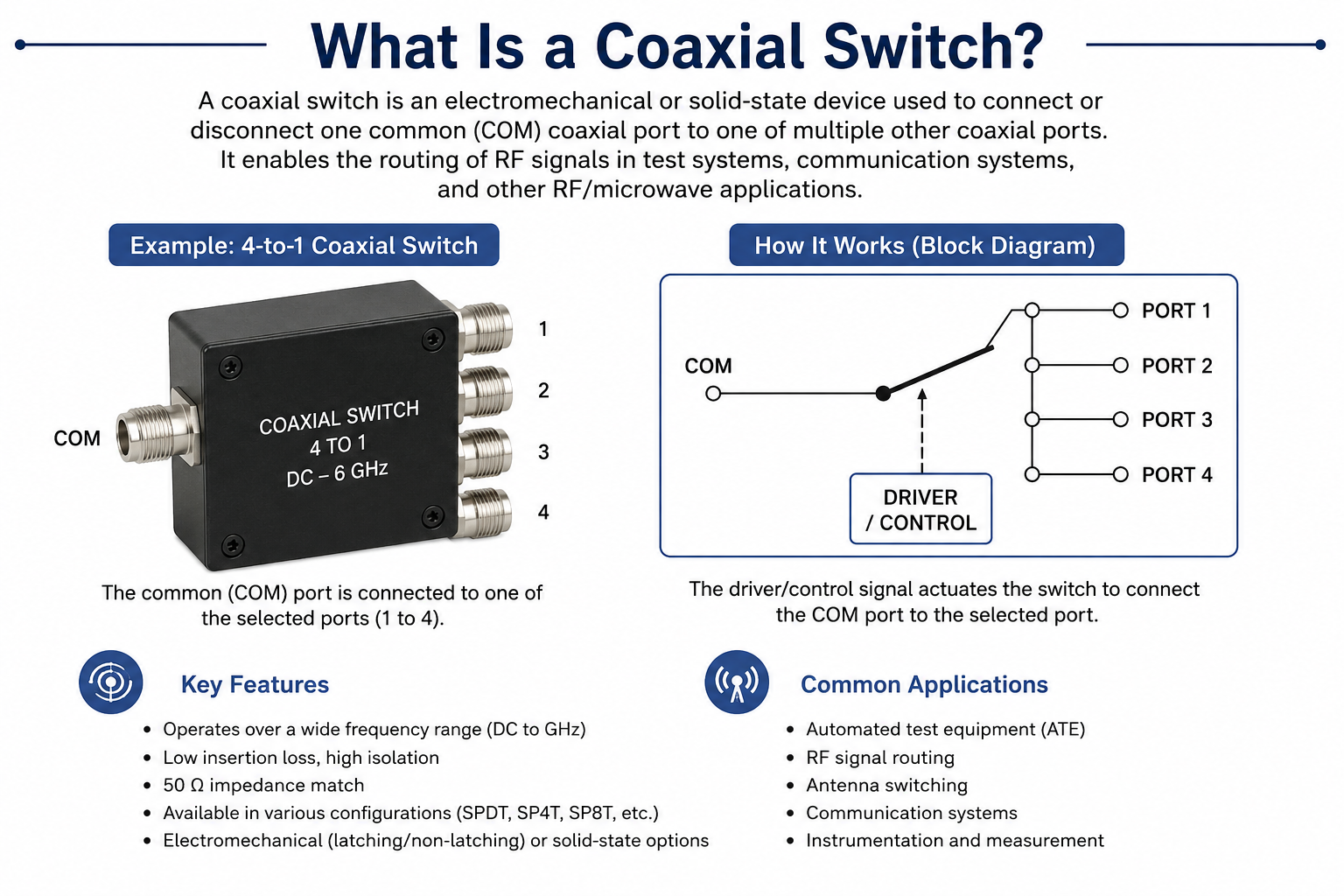


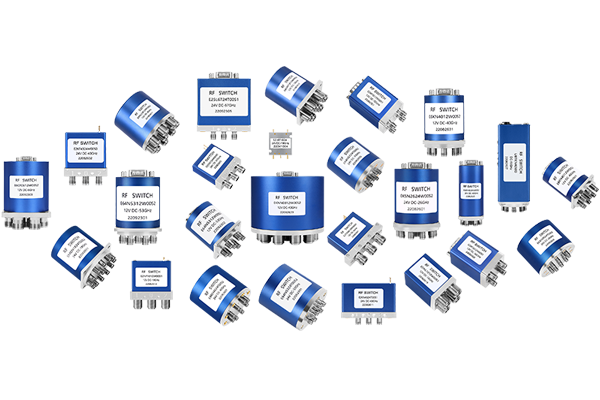
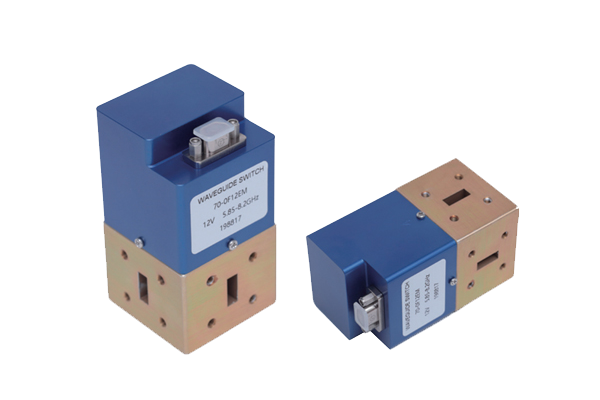
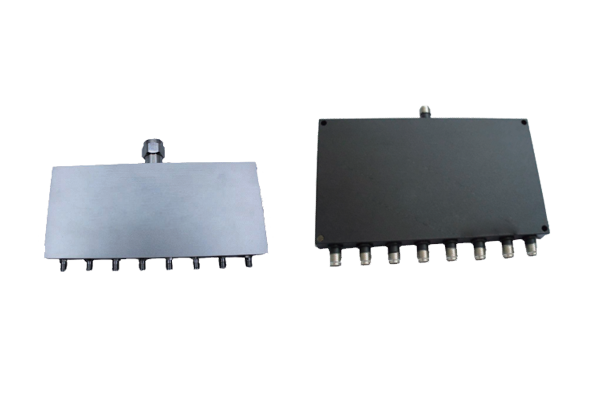
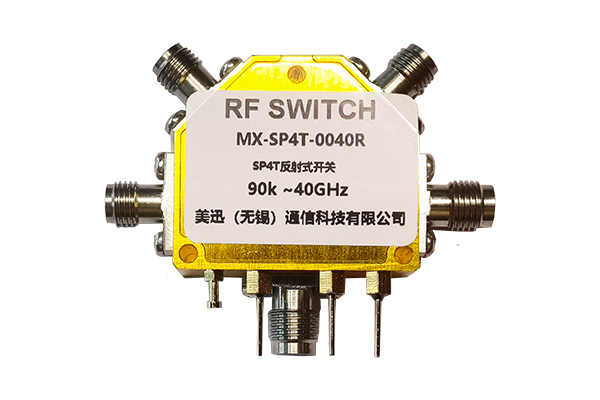




Coaxial switch failures can disrupt critical RF systems, leading to costly downtime and maintenance. Understanding why switches fail and how to prevent failures is essential for maintaining reliable RF systems. This guide provides comprehensive troubleshooting techniques and practical solutions to common coaxial switch problems.
Coaxial Switch Failure Overview
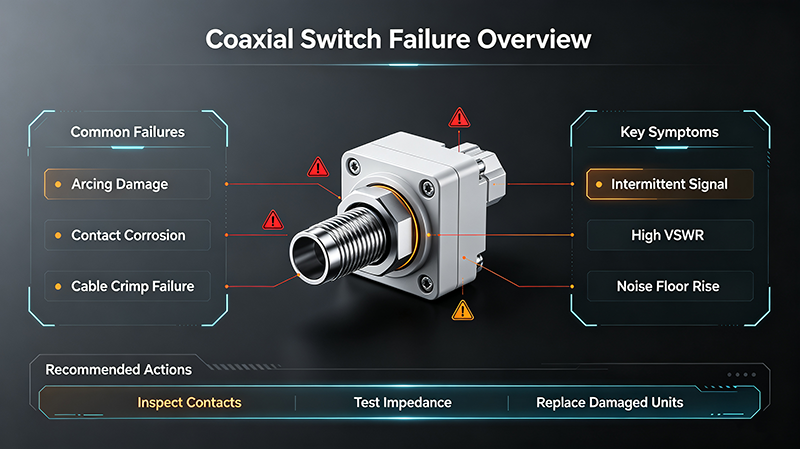
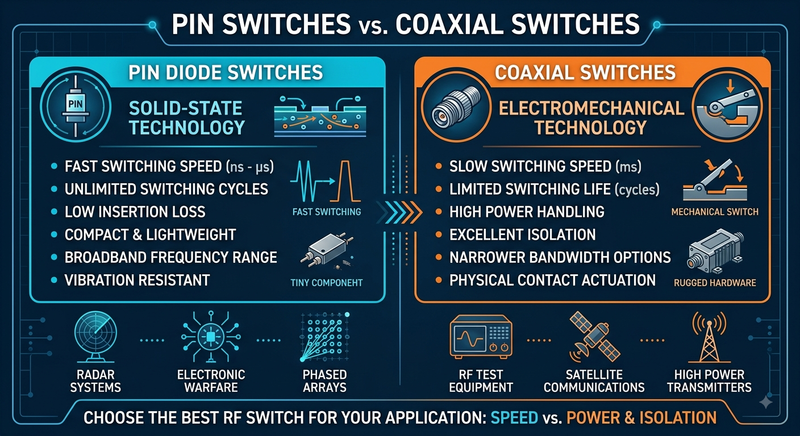
Coaxial switches are electromechanical devices that experience wear from repeated operation, stress from environmental conditions, and degradation from electrical overstress. Understanding the root causes of failure helps implement appropriate preventive measures.
Mechanical Failures
Mechanical wear is the most common cause of coaxial switch failure. Relay contacts experience wear from repeated switching operations, leading to eventual contact degradation or failure.
Symptoms
- Intermittent switching or complete failure to switch
- Erratic operation with occasional missed commands
- Increased switching time or hesitation
- Unusual clicking sounds or no sound during operation
- Higher than specified contact resistance
Root Causes
- Contact Wear: Arcing during switching erodes contact surfaces over time
- Actuator Fatigue: Spring mechanisms lose tension with age
- Contact Contamination: Dust, oxidation, or debris on contact surfaces
- Bearing Wear: Rotary mechanisms experience bearing degradation
- Welding: Contacts may weld together under high current conditions
Prevention Measures
- Select switches with adequate cycle life ratings for your application
- Implement relay switching matrices to distribute wear across multiple switches
- Avoid hot switching when possible to minimize arcing
- Use switches with gold-plated contacts for better corrosion resistance
- Monitor switch cycle count and replace before end of rated life
Thermal Failures
Heat is a major factor in coaxial switch failure. Excessive temperature degrades components, accelerates wear, and can cause immediate failure through material damage.
Symptoms
- Gradual degradation of performance over time
- Increased insertion loss and VSWR
- Intermittent operation that worsens with temperature
- Complete failure when device reaches operating temperature
- Visible discoloration or physical damage to components
Root Causes
- High Average Power: Continuous RF power causes resistive heating
- Peak Power Stress: Pulsed signals with high peak-to-average ratios
- Poor Thermal Path: Inadequate heat sinking or airflow
- VSWR Heating: Mismatched loads cause additional heating
- Ambient Temperature: Operation at elevated ambient temperatures
Prevention Measures
- Derate switch power handling by 50% for reliable operation
- Provide adequate heat sinking with thermal interface materials
- Ensure proper airflow around switches in dense assemblies
- Use thermal monitoring to detect overheating before failure
- Match loads properly to avoid VSWR-related heating
Electrical Failures
Electrical overstress can cause immediate, catastrophic switch failure. Understanding voltage, current, and power limits prevents damage from overstress conditions.
Symptoms
- Complete immediate failure with no warning
- Visible arcing or burning marks on connectors or contacts
- Fused contacts that will not operate
- Smoking or burning odor from the switch
- Blown fuses or triggered protection circuits
Root Causes
- Hot Switching: Switching under high RF power causes arcing damage
- Overvoltage: Exceeding dielectric breakdown voltage causes arcing
- Overcurrent: Current exceeding ratings causes overheating
- ESD: Electrostatic discharge damages semiconductor control circuits
- Transient Spikes: Voltage transients exceed switch ratings
Prevention Measures
- Always switch at low or zero power when possible
- Install appropriate surge protection and TVS diodes
- Use proper ESD handling procedures during installation
- Verify switch ratings exceed all expected signal conditions
- Implement control circuit protection with clamping diodes
Environmental Factors
Environmental conditions can degrade switch performance over time or cause sudden failures. Proper switch selection for the intended environment prevents environmental damage.
Symptoms
- Gradual increase in contact resistance
- Intermittent operation, especially in humid conditions
- Corrosion visible on connectors or housing
- Degraded RF performance over time
- Failed operation after storage or shipping
Root Causes
- Humidity: Moisture causes corrosion of contacts and connectors
- Salt Atmosphere: Coastal or marine environments accelerate corrosion
- Vibration: Mechanical stress causes contact degradation
- Shock: Physical impact damages internal mechanisms
- Dust and Contamination: Particulate matter contaminates contacts
Prevention Measures
- Select switches rated for your environmental conditions
- Use hermetically sealed switches for harsh environments
- Implement vibration dampening where applicable
- Apply appropriate conformal coating if needed
- Store switches in controlled environments when not installed
Assembly Issues
Improper assembly and mounting causes many switch failures that could be prevented. Careful installation practices ensure reliable long-term operation.
Symptoms
- Variable performance depending on cable connection
- Higher than expected VSWR
- Intermittent operation that changes with thermal cycling
- Premature failure in otherwise benign environments
- Damage visible at connector or mounting points
Root Causes
- Over-tightening: Connector damage from excessive torque
- Under-tightening: Poor RF connections from loose connectors
- Misalignment: Connectors not properly aligned during mating
- Thermal Mismatch: PCB stress from thermal expansion differences
- Missing Hardware: Ground springs or mounting screws omitted
Prevention Measures
- Use torque wrenches for critical connector torques
- Follow manufacturer torque specifications exactly
- Ensure proper connector alignment before mating
- Use appropriate thermal interface materials
- Verify all mounting hardware is properly installed
Operational Mistakes
Incorrect operation can damage switches even when they are properly rated. Understanding and following proper operating procedures prevents operator-induced failures.
Symptoms
- Switch fails shortly after installation
- Premature failure without obvious cause
- Multiple switches failing in similar manner
- Failures correlate with specific system events
- Damage pattern suggests misuse rather than defect
Root Causes
- Continuous Actuation: Applying constant voltage damages coil
- Rapid Cycling: Operating faster than rated speed
- Voltage Mismatch: Applying wrong coil voltage
- Missing Diodes: No suppression diode causes voltage spikes
- Polarity Reversal: Reversed coil voltage polarity
Prevention Measures
- Use pulsed drive rather than continuous coil energization
- Verify coil voltage matches supply before connection
- Install flyback diodes across inductive loads
- Respect minimum cycle time specifications
- Train operators on proper switch operation
Prevention and Maintenance Guide
Implementing a comprehensive prevention strategy extends coaxial switch lifespan and reduces unexpected failures. Follow these best practices for reliable switch operation.
Selection Checklist
Installation Best Practices
Frequently Asked Questions
Conclusion
Coaxial switch failures can be prevented through proper selection, installation, and operation. Understanding the common failure mechanisms—mechanical wear, thermal damage, electrical overstress, environmental factors, assembly issues, and operational mistakes—enables proactive measures to extend switch life.
Implement the prevention strategies outlined in this guide, including proper derating, careful installation practices, environmental protection, and appropriate operating procedures. Regular monitoring and preventive replacement before end-of-rated-life prevents unexpected system failures.
When switches do fail, systematic troubleshooting identifies root causes and prevents recurrence. Whether addressing mechanical wear, thermal issues, or operational problems, understanding failure mechanisms ensures reliable RF system operation.
Need Help Selecting the Right Coaxial Switch?
Our technical team can help you choose switches rated for your specific application requirements and operating conditions.
Contact Our Technical Team