






Will RF Couplers Fail Under High Temperatures
RF Couplers High-Temperature Failure Analysis
Understanding the risks, causes, and protective measures for RF couplers operating in high-temperature environments is essential for ensuring system reliability and longevity.
1
Probability of Failure Under High Temperatures
- RF couplers face a risk of failure under high temperatures, but failure is not absolute.
- The specific failure depends on the upper limit of the ambient temperature, the duration of the failure, and the coupler's own high-temperature resistance design.
- Ordinary couplers will gradually degrade in performance after exceeding their rated operating temperature range.
- If exposed to extreme high temperatures for an extended period, they will eventually fail completely, unable to perform their signal coupling function properly.
- Dedicated high-temperature resistant couplers, however, are specially optimized in their design and can operate stably within a certain high-temperature range, significantly reducing the probability of failure.
2
Core Reasons for High-Temperature Failure
- High temperatures can damage the material properties and structural stability of the coupler's internal components.
- The metal materials of the internal transmission lines will experience increased resistance at high temperatures, leading to accelerated signal attenuation.
- Insulating support components will age, soften, and even deform due to high temperatures, affecting the positioning accuracy of the internal structure.
- The contacts of the port connectors may loosen due to thermal expansion and contraction, resulting in poor contact.
- Furthermore, high temperatures can accelerate the oxidation reaction of internal components, further damaging core components and causing failure.
3
Key Factors Affecting Failure Probability
- The choice of materials for the coupler itself is the core factor. The application of high-temperature resistant materials can improve its high-temperature resistance.
- The packaging process of a product also affects its high-temperature resistance. A well-sealed package reduces the direct impact of high temperatures on internal components.
- Simultaneously, the duration and amplitude of the high-temperature environment are crucial.
- Short periods of high temperature may only cause temporary performance degradation, while prolonged stable high temperatures or frequent temperature fluctuations significantly increase the probability of failure.
- Proper thermal management design can substantially mitigate these risks.
4
Protective Measures in High-Temperature Environments
- Prioritize the use of dedicated RF couplers that meet high-temperature operating requirements to reduce the risk of failure from the outset.
- During installation, avoid placing couplers directly near heat sources and plan heat dissipation space appropriately.
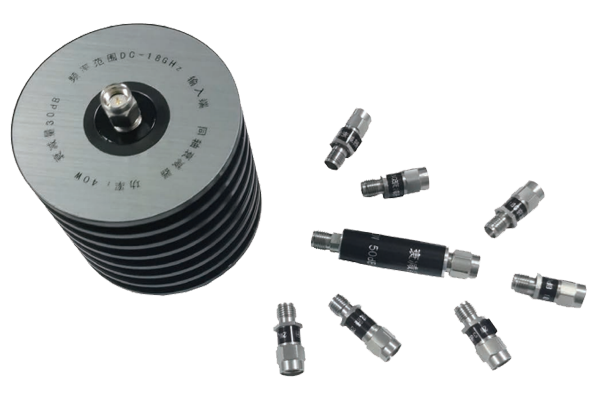
- Use heat sinks to assist in heat dissipation and improve heat dissipation efficiency.
- For couplers in sealed spaces, optimize ventilation conditions to reduce heat accumulation.
- Regularly check the coupler's operating status in high-temperature environments, promptly identify signs of performance degradation, and perform maintenance or replacement.