






When to replace a waveguide switch in equipment
Waveguide Switch Replacement Indicators
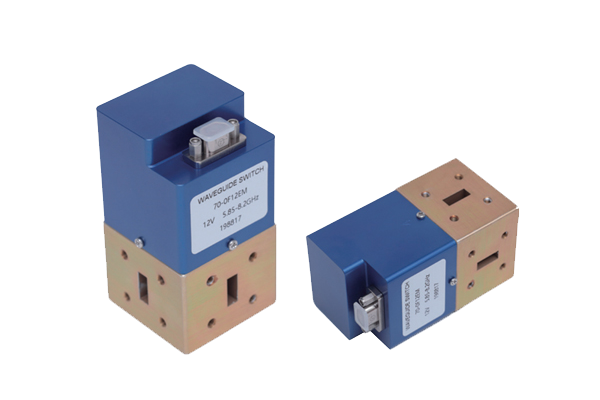
Recognizing when to replace waveguide switches is essential for maintaining optimal signal integrity and system performance in communication and radar equipment.
Performance Degradation
- Key sign: Significant increase in insertion loss or drop in isolation indicates waveguide switch may need replacement.
- Performance degradation directly impairs signal integrity and system efficiency in communication equipment.
- Often stems from internal component wear or contaminant accumulation, leading to unstable signal transmission.
- If performance tests consistently show results below specified standards after maintenance, replacement becomes essential.
- Delaying replacement can impact entire system performance and cause frequent signal interruptions.
Abnormal Operation & Physical Damage
- Clear indicators: Unusual noises during switching, slow response times, or failure to switch channels smoothly.
- Physical damage like deformed flanges, cracked housings, or damaged gaskets compromises waveguide switch sealing.
- Structural instability increases risk of moisture or dust intrusion, further degrading performance.
- When damage is irreparable through routine maintenance, prompt replacement prevents secondary damage to connected components.
- Ensures system safety and avoids cascading failures in communication or radar systems.
Environmental Factors & Aging
- Accelerated aging: Long-term operation in harsh environments with extreme temperatures, high humidity, or strong EMI.
- Even without immediate performance issues, prolonged exposure reduces waveguide switch service life and reliability.
- If equipment is relocated to more demanding environments, proactive replacement may be necessary.
- When existing switches exceed expected service life under harsh conditions, replacement prevents unexpected failures.
- Environmental factors should be considered in maintenance schedules for critical communication systems.
System Upgrades & Compatibility
- Modernization requirements: Updating equipment to support higher frequencies, greater power, or new protocols.
- Existing waveguide switches may no longer be compatible with upgraded system requirements.
- Using incompatible switches can limit system performance and cause compatibility issues in advanced systems.
- If switches require frequent repairs to maintain operation, replacement becomes more cost-effective.
- Reduces cumulative downtime and ensures long-term stable operation of upgraded equipment.
Timely replacement of waveguide switches based on performance degradation, physical damage, environmental aging, or system upgrade requirements ensures continued reliable operation of communication and radar systems, preventing unexpected failures and maintaining optimal signal quality.