


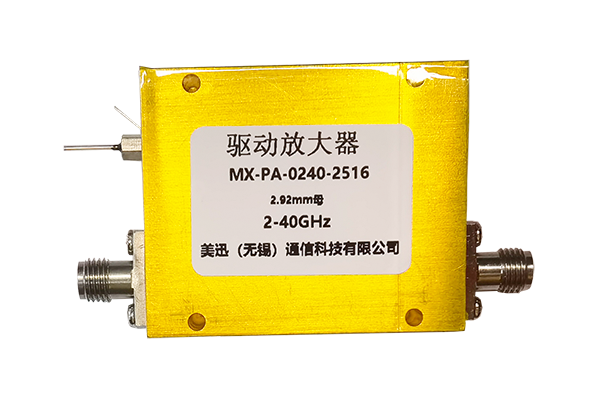




What factors affect RF Attenuator accuracy
The accuracy of RF attenuators is influenced by a variety of interrelated factors, ranging from environmental conditions to component design and operational parameters. Understanding these elements is crucial for ensuring reliable performance in RF systems, as even subtle deviations can compromise signal integrity and measurement precision.
Temperature Variation
Most attenuator materials exhibit changes in electrical properties when exposed to fluctuating temperatures, affecting attenuation accuracy.
- Thermal sensitivity alters the attenuation ratio
- Materials with poor thermal stability experience significant shifts
- Extreme or uncontrolled environments with frequent temperature swings
- Deviations from intended performance in varying operational conditions
Impedance Matching
RF attenuators are designed for specific impedance levels, and mismatches can cause signal reflections and accuracy errors.
- Mismatch between attenuator and system components
- Signal reflections disrupting the intended signal path
- Poor impedance matching causing additional signal loss
- Signal distortion further degrading overall system performance
Signal Frequency
Attenuator performance varies across different frequency bands due to design limitations and material characteristics.
- Performance variations across different frequency bands
- Optimal performance within narrow frequency ranges
- Design limitations and material characteristics effects
- Inconsistent attenuation when operating outside optimal frequency range
Component Aging
Prolonged use and environmental exposure cause physical and electrical changes that degrade accuracy over time.
- Prolonged use and exposure to environmental stressors
- Repeated thermal cycling causing physical changes in components
- Gradual shifts in attenuation values over time
- Decline in overall precision requiring regular maintenance
Operational Impact Factors
Power Handling Capacity
Operating beyond recommended power limits causes overheating, material degradation, or permanent damage, altering electrical properties and impairing performance.
Frequency Range Limitations
Deviations from optimal frequency range result in inconsistent attenuation, reducing accuracy in applications operating across multiple frequency bands.
In summary, RF attenuator accuracy is shaped by environmental conditions, impedance compatibility, frequency range, component aging, and power management. Addressing these factors through careful selection, proper installation, and regular maintenance can help optimize accuracy and extend the lifespan of attenuators in various RF applications.