


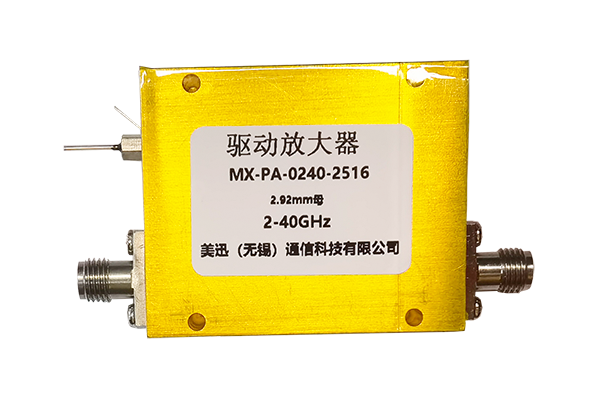




What are the materials used in an RF power divider
1
Core Conductive Materials Ensure Signal Transmission
- The core conductive components are made of materials with excellent conductivity, providing a fundamental guarantee for signal transmission.
- High-purity copper is commonly used, as its low resistance reduces energy loss during signal transmission, ensuring efficient signal transmission.
- Some high-end products use gold or silver plating to treat the conductive surface, further improving conductivity and oxidation resistance, extending service life while maintaining stable signal transmission quality.
- These materials not only conduct RF signals quickly but also resist the heat generated by high-frequency transmission, preventing performance degradation due to heat.
2
Structural Support Materials Enhance Overall Stability
- The structural support components use high-strength, highly stable materials to ensure the overall structural robustness of the equipment.
- Aluminum alloy is a commonly used structural material, combining lightweight and high strength, reducing the overall weight of the equipment while providing reliable support to resist external influences such as vibration and impact.
- In some scenarios, engineering plastics are used, which have good moldability and insulation properties, allowing for precise adaptation to complex structural designs while avoiding the risk of signal short circuits.
- The selection of structural materials balances rigidity and toughness, ensuring the equipment maintains structural integrity in various installation environments and does not affect the operation of internal components.
3
Protective Sealing Materials Resist External Environments
- Protective sealing materials focus on isolating the internal components from external environmental influences, enhancing the equipment's adaptability.
- The outer shell often uses corrosion-resistant and wear-resistant metal alloys or reinforced plastics, effectively preventing the intrusion of dust, moisture, and other impurities, protecting the internal core components.
- The sealing materials at interfaces are mostly high-temperature resistant and aging-resistant rubber or silicone products, tightly fitting the connection points, enhancing interface sealing and buffering wear during insertion and removal.
- These materials help the equipment adapt to harsh working environments, maintaining a clean and dry internal environment in high-temperature, high-humidity, or dusty scenarios.
4
Auxiliary Function Materials Optimize User Experience
- Auxiliary function materials focus on improving equipment performance and ease of use.
- Heat dissipation-related components use materials with good thermal conductivity to quickly conduct heat generated during equipment operation, preventing high-temperature accumulation from affecting performance.
- Insulating materials are mostly high-temperature resistant and highly insulating ceramics or special plastics, used to isolate different circuit components and prevent signal crosstalk or short circuits.
- Some products also feature a non-slip, wear-resistant coating to improve ease of installation and operation, enhance wear resistance, and extend the overall lifespan of the equipment.