


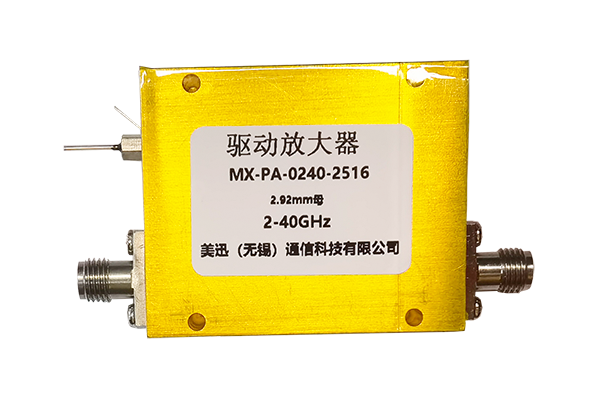




What are the installation precautions for waveguide switches
Waveguide Switch Installation
Proper installation of waveguide switches is critical for ensuring reliable signal transmission, minimizing signal loss, and extending device service life in various communication and radar systems.
Environmental Assessment
- Primary precaution: Assess installation environment before installing waveguide switches.
- Place away from areas with drastic temperature changes, excessive humidity, or strong electromagnetic interference.
- Ensure installation site is clean and free of dust, debris, or corrosive substances that can damage components.
- Contaminants can impair signal transmission and reduce waveguide switch performance over time.
- Mounting surface must be stable and flat to prevent vibration-induced wear on connections and signal loss.
Proper Alignment & Connection
- Critical step: Ensure proper alignment during connection of waveguide switches.
- Misalignment with adjacent components can cause signal reflection and increased insertion loss.
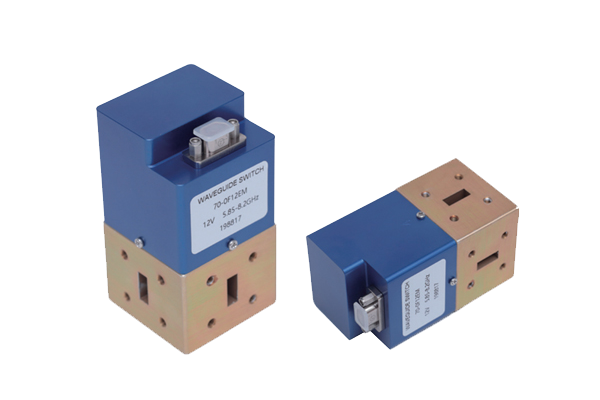
- Precisely align waveguide flanges using appropriate gaskets for tight seal without over-tightening fasteners.
- Over-tightening may deform flanges or damage gaskets, compromising signal integrity and structural stability.
- Check all connecting parts for size and specification compatibility to avoid mismatched joints.
Sealing & Protection Measures
- Essential for harsh environments: Apply sealing and protection measures for waveguide switches.
- Use suitable sealing materials on flange connections to prevent moisture, dust, or foreign object entry.
- For outdoor or high-humidity installations, consider additional protective enclosures for environmental shielding.
- Ensure proper grounding of waveguide switches to dissipate static electricity and reduce EMI.
- Grounding safeguards both the device and the entire system from electromagnetic interference.
Post-Installation Inspection & Testing
- Final verification: Conduct thorough inspection and testing after waveguide switch installation.
- Check for loose connections, abnormal noises, or signs of overheating during initial operation.
- Perform signal performance tests to verify insertion loss, isolation, and switching efficiency meet standards.
- Avoid modifying or adjusting internal components without professional guidance.
- Proper post-installation procedures ensure reliable operation, signal quality, and extended service life.
Following these installation precautions ensures waveguide switches operate reliably, maintain optimal signal quality, and achieve their maximum service life in communication systems, radar installations, and other critical applications requiring precise signal routing and switching.