






What are the functions of an RF coupler
1. Signal Coupling and Sampling
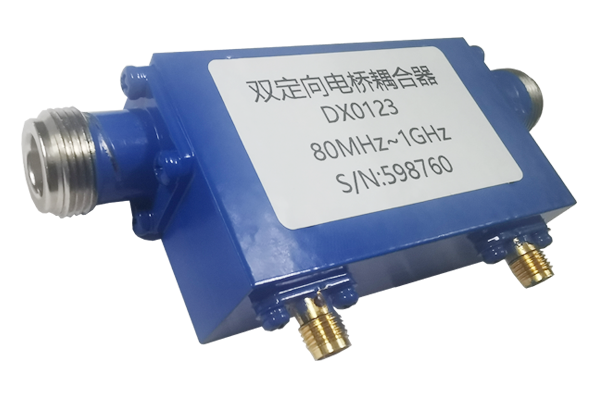
The most basic function of an RF coupler is to couple and sample signals, extracting a portion of the RF signal from the main transmission line without affecting the normal transmission of the main signal. This sampling is not arbitrary truncation, but rather, while ensuring the integrity and stability of the main signal, it separates a small amount of signal to provide a basis for subsequent signal detection, analysis, and processing. It is a core component of signal extraction in RF systems and is widely used in various scenarios requiring signal sampling.
2. Signal Monitoring and Debugging
With the sampled signal extracted by the RF coupler, real-time monitoring and debugging of the RF system can be achieved. By analyzing the sampled signal, key parameters such as the amplitude and frequency of the main signal can be grasped in a timely manner, and abnormalities such as signal distortion and attenuation can be determined, thereby quickly locating system faults and optimizing system performance. Whether it is routine equipment maintenance or parameter calibration during system debugging, the RF coupler plays an indispensable role in ensuring the stable operation of the RF system.
3. Distribution and Synthesis
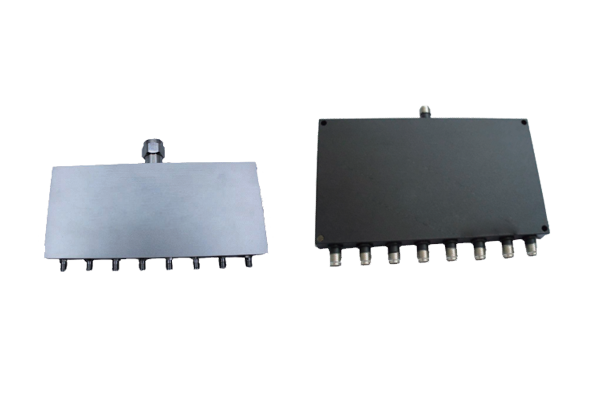
RF couplers can achieve reasonable distribution and synthesis of RF signals to meet the signal transmission needs of multi-channel systems. In scenarios where a main signal needs to be distributed across multiple branches, the coupler can evenly distribute the signal, ensuring consistency across all branches. Simultaneously, it can combine multiple signals into a single signal, enabling centralized transmission and processing, reducing interference during signal transmission, and improving system signal utilization and transmission efficiency.
4. Impedance Matching and Isolation
RF couplers can achieve impedance matching and signal isolation in radio frequency systems, protecting system equipment. Impedance matching reduces signal reflection loss during transmission, ensuring efficient signal transmission; while signal isolation effectively isolates mutual interference between the main line and the sampling line, preventing signal feedback from the sampling branch from affecting the main signal transmission, and protecting backend detection equipment from excessive power surges from the main signal, extending equipment lifespan.