


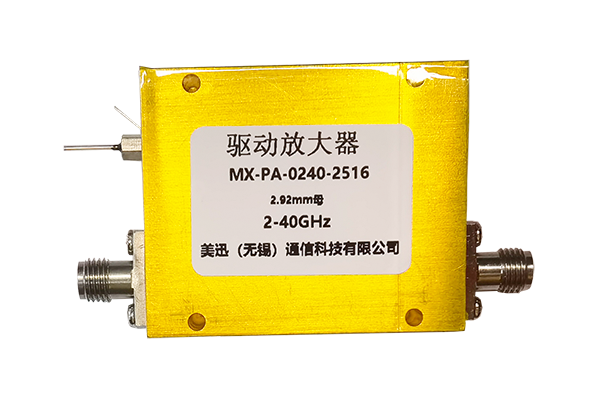




Surface Treatment Processes of RF Power Dividers
Advanced surface treatment processes are essential for enhancing the performance, durability, and reliability of electronic components. These specialized techniques address various operational challenges while optimizing signal transmission and structural integrity across diverse applications.
-
1 Conductivity Optimization Process: Improving Signal Transmission Efficiency
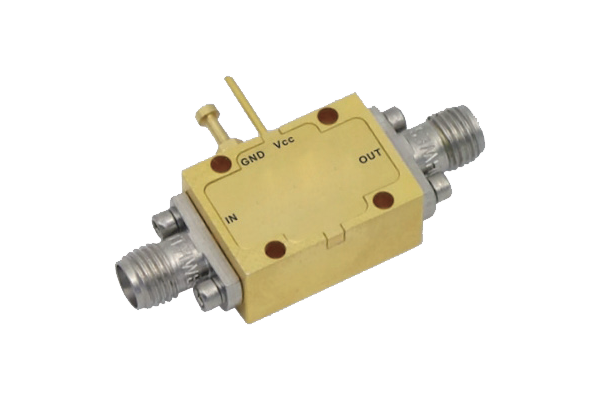
Core conductive components utilize gold or silver plating, forming a uniform precious metal coating on the metal surface to reduce surface resistance and minimize energy loss during signal transmission. This type of coating combines excellent conductivity and oxidation resistance, maintaining long-term signal transmission stability and preventing poor contact or performance degradation caused by surface oxidation. It provides reliable assurance for high-frequency signal transmission and is suitable for various applications with high transmission efficiency requirements.
-
2 Protection and Corrosion Prevention Process: Resisting Harsh Environmental Impacts
To address the diverse operating environments of the equipment, protective processes such as anodizing and passivation are employed. Anodizing forms a dense oxide film on the metal surface, enhancing the material's corrosion and wear resistance and effectively blocking moisture, dust, and other impurities. Passivation, through chemical conversion, forms a protective film on the surface, improving rust resistance. These processes allow the equipment to adapt to complex environments such as high humidity and dust, extending its service life and reducing maintenance costs.
-
3 Structural Reinforcement Technology: Enhancing Component Connection Stability
Interfaces and critical connection points utilize electroplating processes such as nickel plating. This deposited metal layer enhances surface hardness and adhesion, improving wear resistance and structural strength. It prevents surface wear and deformation caused by prolonged insertion/removal or vibration, ensuring a tight interface fit and reducing contact loss during signal transmission. Simultaneously, the reinforced surface better withstands mechanical stress during assembly, ensuring the overall structural stability of the equipment.
-
4 Performance Adaptation Technology: Adapting to Diverse Usage Needs
Targeted surface treatment processes are employed based on the requirements of different application scenarios. For equipment requiring lightweight design, chemical plating is used to control coating thickness and weight while maintaining performance. For high-temperature applications, high-temperature resistant coating processes are selected to ensure the surface treatment layer does not peel off or fail under extreme temperatures. These adaptable processes allow the equipment to meet the specific requirements of different industries, improving the product's versatility and practicality.