


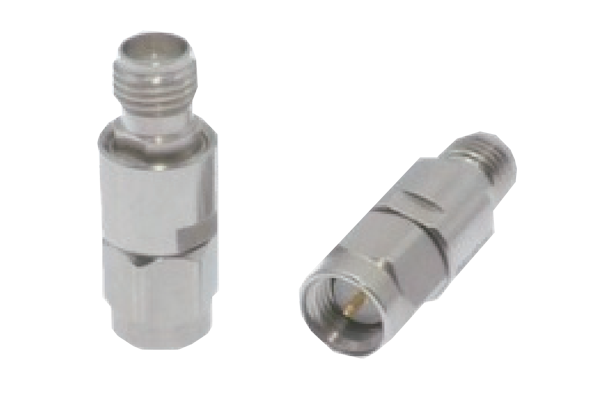
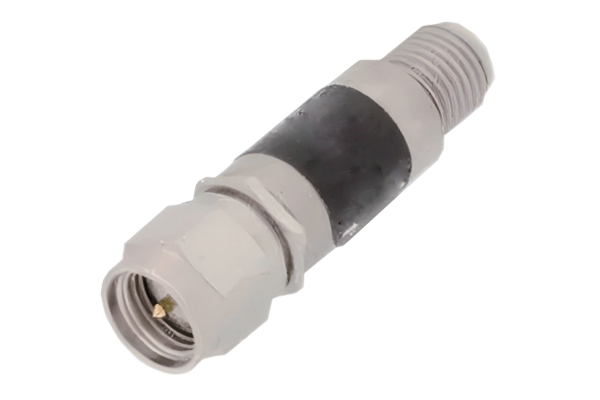
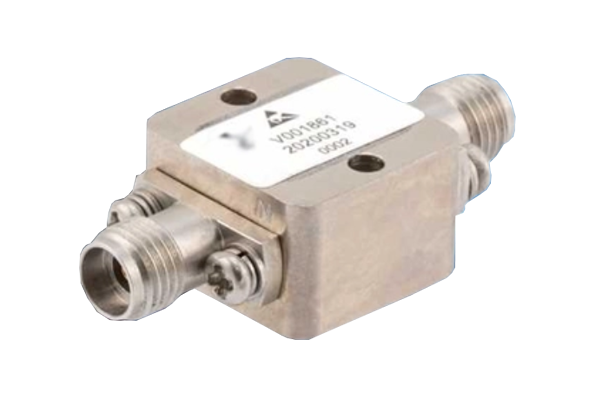
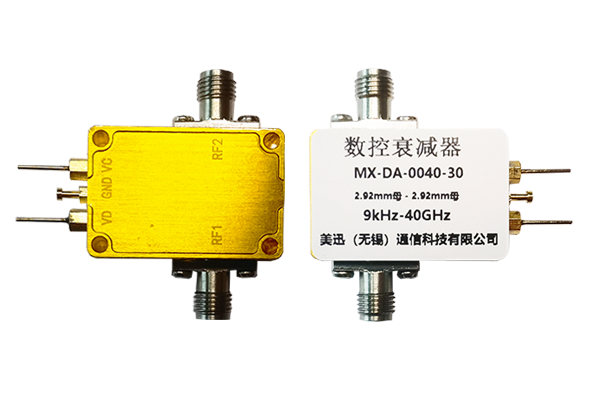
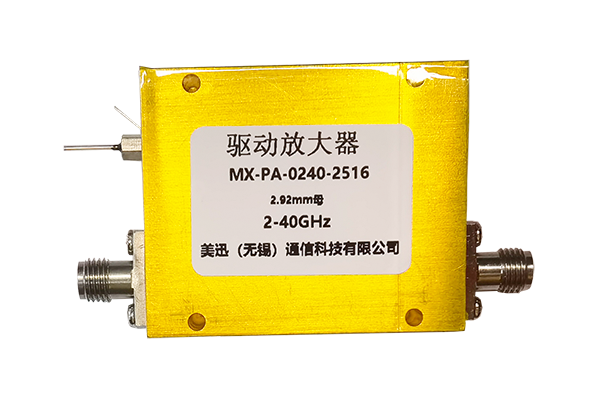




Is the transmission efficiency of a fixed attenuator high
1. Device Characteristics
- The transmission efficiency of a fixed attenuator is closely related to its own materials and structure.
- High‑quality devices use high‑performance passive materials and reasonable internal structure design, reducing signal loss during transmission, maintaining high efficiency and stable attenuation.
- Inferior devices have poor materials and rough structures, easily generating additional losses, resulting in relatively lower transmission efficiency.
2. Impact of the Usage Environment
- In dry, well‑ventilated, temperature‑appropriate environments, device performance is stable and transmission efficiency remains within a reasonable range.
- In high‑temperature, humid, dusty environments, the device is prone to oxidation and poor contact, increasing signal loss and reducing efficiency.
- Long‑term exposure to harsh environments further accelerates efficiency decline.
3. Interface Connection Status
- A secure, tight connection that matches interface specifications reduces signal reflection and contact loss, ensuring high transmission efficiency.
- Poor contact, loose connections, or mismatched specifications lead to signal leakage and reflection, significantly reducing efficiency and affecting stability.
4. Overall System Matching
- Transmission efficiency depends on the matching degree of the entire signal system.
- When the attenuator perfectly matches impedance, frequency band, and other parameters with signal source and receiving equipment, loss is minimal and efficiency is optimal.
- If system parameters are mismatched, signal reflection and abnormal attenuation occur, reducing overall efficiency and affecting transmission quality.