


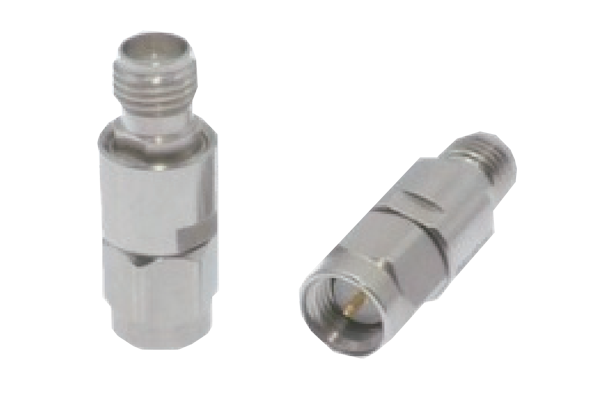
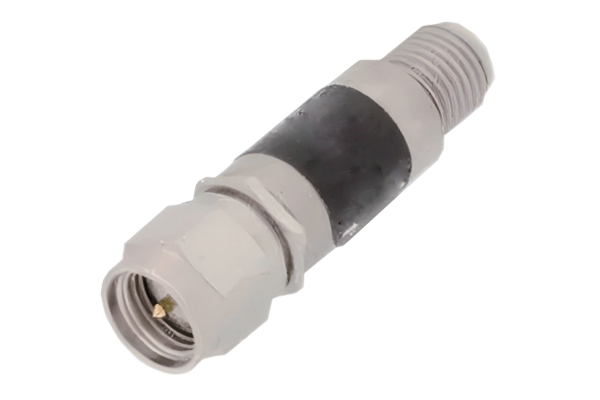
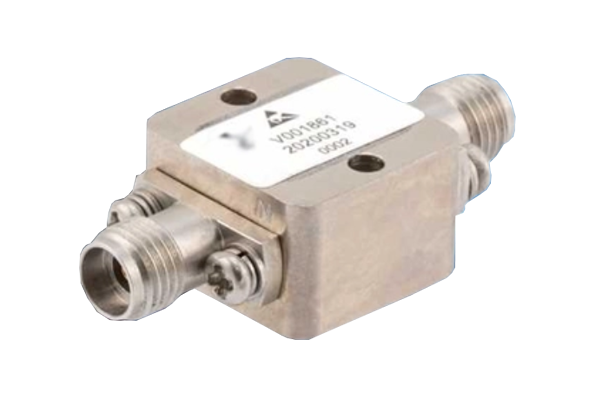
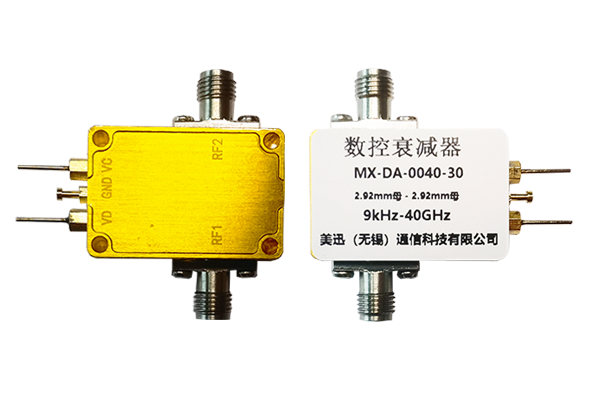
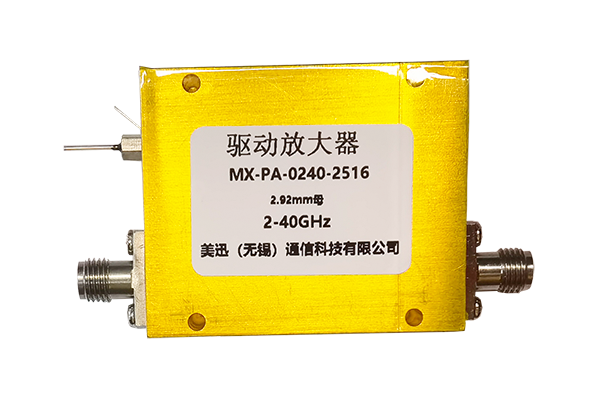




Internal Structure of an RF Coupler
Signal Coupling Core Unit
- Core component of the RF coupler enabling signal coupling
- Uses specific transmission line structures like microstrip lines, striplines, or coaxial lines
- Reasonable spacing and layout allow signals to be coupled from main to secondary transmission line
- Made of metal materials with excellent high-frequency characteristics
- Ensures minimal signal attenuation during transmission and coupling
This unit is critical for maintaining signal integrity in the RF coupler
Input/Output Port Components
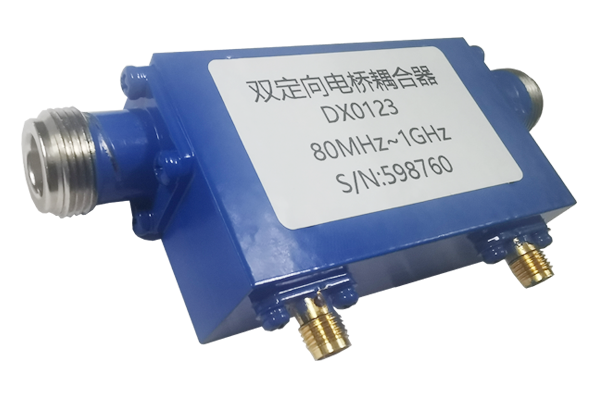
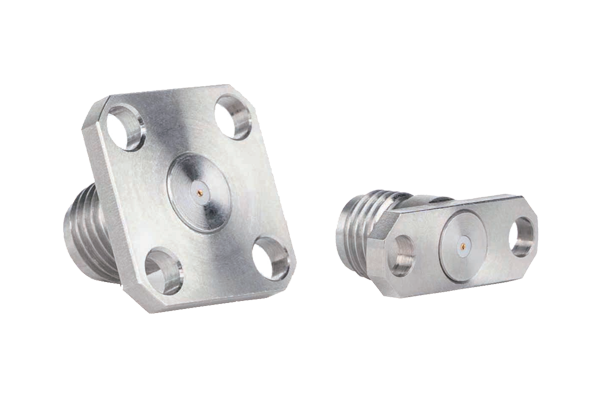
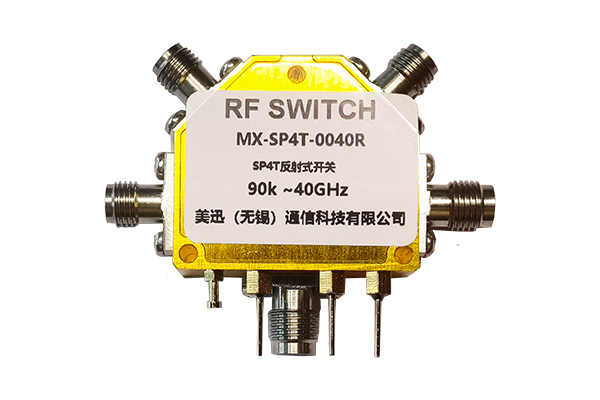
- Connects internal structure of the RF coupler to external devices
- Consists of connectors and transmission line leads
- Connectors comply with RF transmission standards with precise conductor contacts
- Internal impedance matching elements ensure port-transmission line compatibility
- Reduces signal reflection at ports to improve transmission efficiency
Proper port design is essential for minimizing signal loss and reflection
Shielding Structure
- Surrounds core components inside the RF coupler
- Isolates external electromagnetic interference
- Prevents internal signal leakage from the coupler
- Made of highly conductive metal with enclosed design
- Some high-performance couplers have enhanced electromagnetic shielding
Essential for stable operation in complex electromagnetic environments
Support and Fixing Components
- Distributed throughout the RF coupler at critical internal locations
- Supports core transmission lines and port assemblies
- Made of materials with good insulation and high mechanical strength
- Prevents interference with RF signals and withstands environmental stress
- Securely positions components to prevent displacement during transport or use
These components ensure structural stability under temperature changes and vibrations