


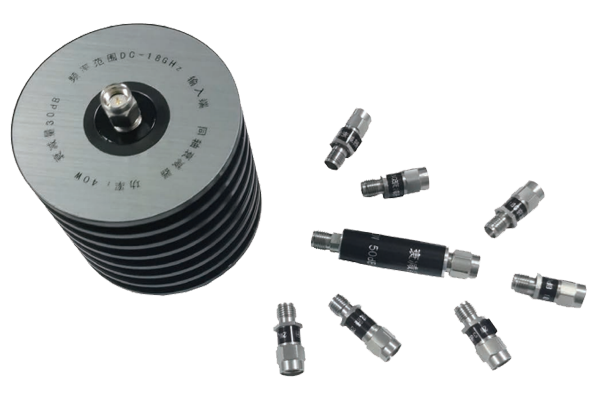




How to Use a Fixed Attenuator
1. Selection and Matching
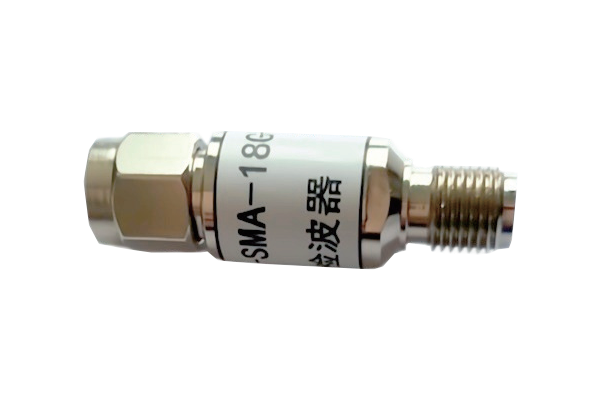
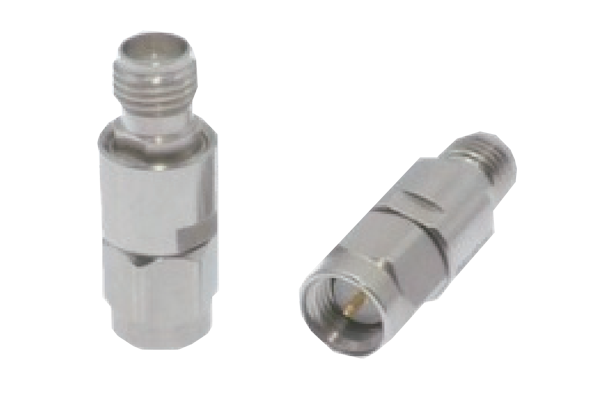
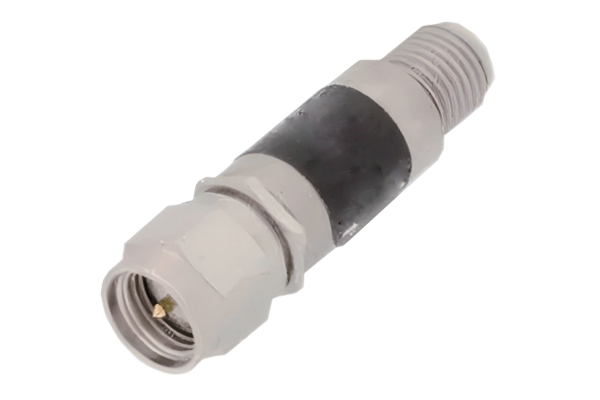
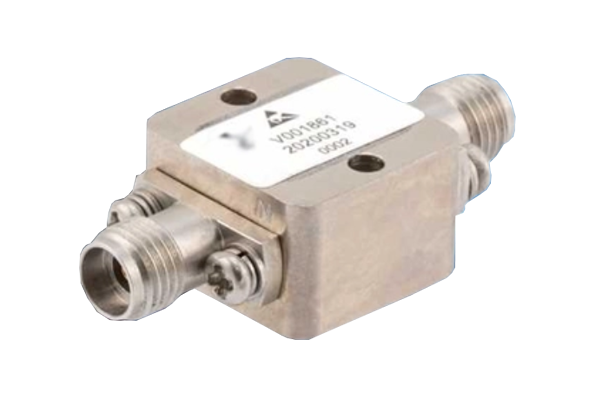
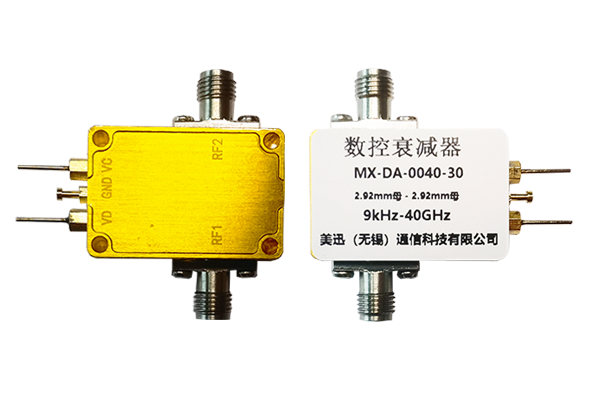
- Select a suitable fixed attenuator based on the application, focusing on operating frequency band, signal power, and impedance specifications.
- Ensure the device matches signal transmission requirements to avoid distortion or equipment damage from improper selection.
- Consider environmental adaptability; avoid high temperature, humidity, or other conditions that affect performance.
2. Correct Connection
- Follow signal direction: connect the attenuator between the signal source and receiving device with secure connections.
- Power off both devices before connecting to prevent damage from hot‑plugging.
- Clean interface dust to ensure smooth signal transmission.
3. Standardized Debugging
- After connection, power on and gradually adjust source power while observing the received signal to confirm attenuation meets expectations.
- Monitor signal changes in real time to avoid excessively strong or weak levels, keeping signals within safe tolerance.
- Ensure impedance matching to reduce signal reflection.
4. Maintenance and Care
- Regularly inspect the appearance and interfaces; clean dust and debris promptly.
- After use, disconnect power and store in a dry, ventilated environment to avoid aging from harsh conditions.
- Periodically calibrate performance to ensure stable attenuation and extend lifespan.