


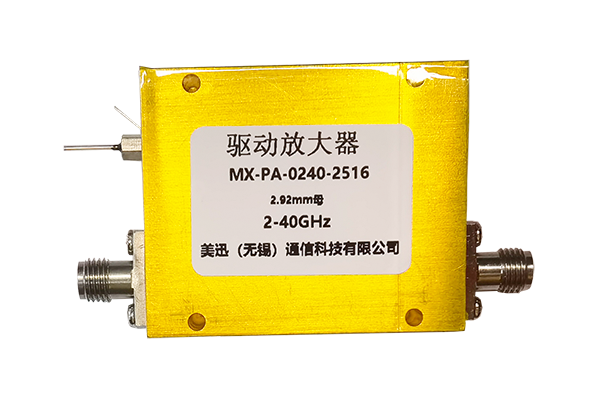




How to Test the Performance of an RF Power Divider
1. Testing Power Distribution Uniformity
- Power distribution uniformity is a core testing indicator.
- An RF signal is input to the device, and the power value at each output port is measured to verify if the output power meets design requirements.
- Consistency across all paths is crucial to avoid power imbalances, ensuring accurate power distribution for each system port.
2. Testing Port Impedance Matching
- Impedance matching directly affects signal transmission efficiency.
- Specialized instruments measure impedance values of input and output ports to verify consistency with system impedance.
- Investigate signal reflection issues caused by mismatch; adjust parameters promptly to ensure efficient transmission and minimize energy loss.
3. Test Port Isolation Performance
- Isolation performance prevents crosstalk between output ports.
- A test signal is input to one output port to check for leakage at others; leakage must be within acceptable limits.
- Ensures signal independence, prevents crosstalk, and verifies anti‑interference capability meets standards.
4. Test Signal Transmission Loss
- Transmission loss testing measures signal energy attenuation through the device.
- Compare input amplitude with each output port to verify loss within reasonable range.
- Observe phase changes to ensure phase shift meets design standards, preventing performance issues.