


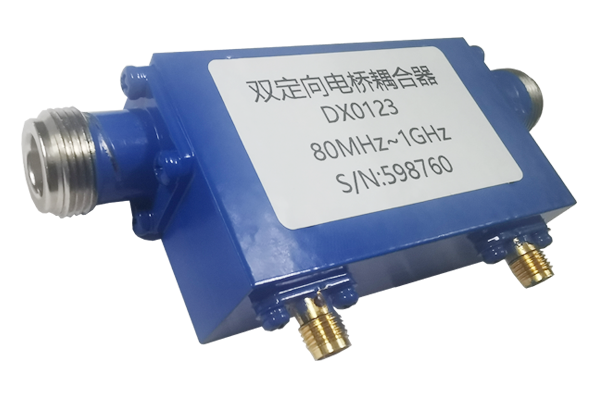
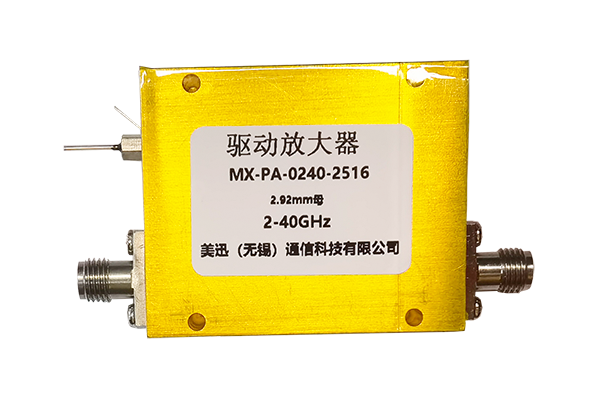




How to Test a High Power Coupler
Coupler Performance Testing Procedures
Comprehensive testing methodologies to ensure coupler reliability, environmental adaptability, and long-term operational stability in various application scenarios
1Basic Performance Core Testing
Focus on core coupler performance indicators for basic testing. Use professional testing equipment to build a simulated operating environment to test signal transmission efficiency and energy distribution accuracy, determining if it meets design standards.
Key Focus: Pay special attention to verifying insertion loss, observing the degree of loss during energy transmission to ensure it remains within a reasonable range under rated load.
Testing Parameters & Methods:
- Test signal isolation performance to confirm that crosstalk between ports is controlled within allowable limits
- Ensure signal purity through comprehensive evaluation of basic performance metrics
- Utilize professional testing equipment to simulate real operating conditions
- Measure and verify insertion loss under various load conditions
- Validate energy distribution accuracy against design specifications
2Environmental Adaptability Simulation Testing
Simulate different real-world application scenarios for environmental adaptation testing. Construct alternating high and low temperature test environments to observe the coupler's operation under extreme temperature conditions, verifying the temperature resistance and operational stability of core components.
Environmental Test Scenarios:
- Create a high-humidity environment using humidity control equipment to test whether the insulation and conductivity of components are affected
- Assess moisture resistance through controlled humidity exposure tests
- Simulate vibration, shock, and other mechanical environments to test structural strength
- Verify component fixation reliability under mechanical stress conditions
- Ensure normal operation even in complex installation scenarios with varying environmental factors
3Long-Term Stable Operation Testing
Conduct long-term continuous operation tests to verify stability under sustained operational conditions. This testing phase assesses the coupler's performance over extended periods to identify potential degradation patterns and ensure reliable long-term functionality.
Stability Assessment Criteria:
- Monitor performance metrics during extended continuous operation periods
- Identify any performance degradation patterns over time
- Test thermal management under sustained operational loads
- Assess component wear and aging characteristics
- Verify consistent performance across the expected product lifespan
4Multi-Scenario Compatibility Testing
Conduct compatibility testing for different application scenarios. Connect the coupler to various related devices, test the smoothness of signal interaction, and verify interface compatibility and protocol compatibility.
Compatibility Verification Methods:
- Simulate complex system operating environments and observe the coupler's performance when working with other devices
- Determine if there is any mutual interference in multi-device configurations
- Test the coupler's adaptability under different load intensities
- Ensure stable performance output during switching between light and heavy loads
- Validate functionality across diverse application scenarios with varying requirements
Note: Multi-scenario testing ensures the coupler meets the needs of diverse application environments, from industrial settings to precision instrumentation, guaranteeing reliable performance across the full range of intended uses.
By implementing these four comprehensive testing phases, manufacturers can ensure couplers deliver reliable, stable, and adaptable performance across diverse operating conditions, meeting stringent quality standards and user requirements in various application environments.