






How to Prevent RF Attenuator Overload
1. Properly Match Input Power
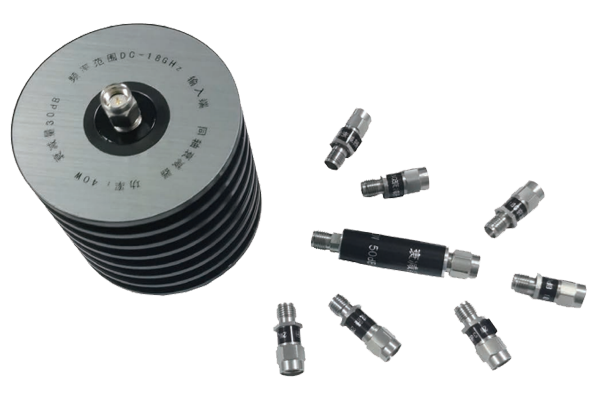
- Based on the attenuator's rated power parameters, reasonably control the input signal power to avoid exceeding the device's capacity.
- Before use, determine the attenuator's power handling capacity and, in conjunction with the output power of the front-end equipment, perform power adaptation in advance to ensure the signal power input to the attenuator is within a safe threshold, eliminating the risk of overload at the source.
2. Optimize Link Power Distribution
- When building an RF link, plan a reasonable power distribution scheme to avoid a single attenuator bearing too much power load.
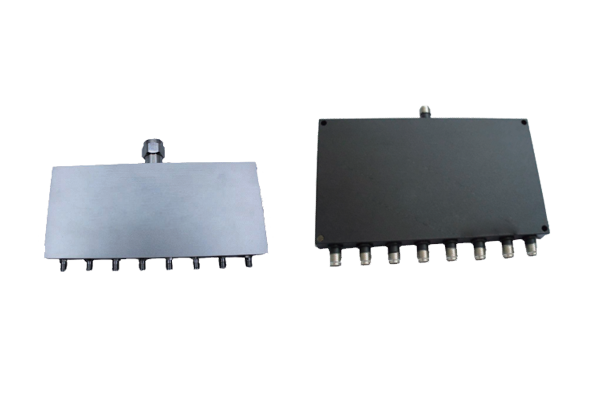
- This can be achieved by adding power distribution devices to distribute signal power across multiple devices, reducing the workload of individual attenuators and mitigating the overload risk caused by concentrated power, ensuring balanced power transmission across the entire link.
3. Strengthen Operating Status Monitoring
- During equipment operation, monitor the attenuator's operating status in real time, focusing on indicators such as device temperature and output signal stability.
- If abnormal heating or signal distortion is detected, immediately stop the equipment for inspection, investigate for power overload issues, and prevent long-term overload from damaging the device, ensuring stable equipment operation.
4. Standardized Operation and Maintenance
- Strictly adhere to the operating specifications when using the attenuator, avoiding improper signal power adjustments, incorrect link connections, and other misoperations.
- Regularly clean and inspect the attenuator, promptly identifying and addressing issues such as loose interfaces and aging components.
- Maintain accurate daily maintenance records, periodically calibrate component performance to improve the attenuator's overload resistance, and extend its lifespan.