


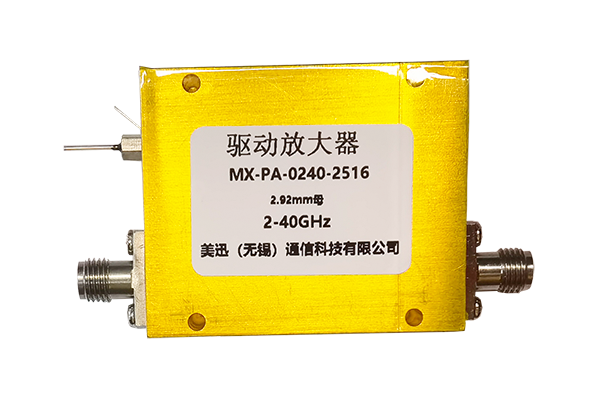




How to Measure the Output Power of an RF Power Amplifier
Accurate measurement of RF power amplifier output power is essential for evaluating signal amplification capability and ensuring reliable system performance.
Clarify the Core Definition
- It is a core indicator reflecting the amplifier's signal amplification capability
- The focus of output power evaluation differs in different application scenarios
- The core objective is always to accurately capture the usable signal power at the output terminal
- Understanding this definition lays the foundation for subsequent measurement and evaluation
A clear definition of output power prevents measurement biases caused by conceptual confusion, especially critical for RF power amplifier evaluation.
Employ Basic Measurement Principles
- Professional RF power measurement equipment is connected to the amplifier output terminal
- Ensure good impedance matching between measurement equipment and amplifier output
- Avoid signal reflection that can affect measurement results
- Ensure the input signal is stable for representative output power measurement
By directly measuring the effective power at the output terminal, basic output power data for the RF power amplifier can be obtained intuitively and reliably.
Consider Key Influencing Factors
- Changes in operating frequency band affect the amplifier's output power performance
- The amplitude and waveform of the input signal alter output power stability
- Non-ideal input signals may cause output power fluctuations
- Amplifier operating temperature and power supply stability impact output power
These factors must be fully considered during measurement, simulating actual working conditions of the RF power amplifier to ensure results reflect real-world application needs.
Implement Practical Calibration Points
- Calibrate measuring equipment to eliminate interference from its own errors
- Calibrate the measurement link to reduce power loss during transmission
- Avoid measurement deviations caused by link losses
- Perform data comparison and analysis based on multiple measurements
- Eliminate outliers and use stable values as final output power reference
Targeted calibration at these key points ensures the accuracy and reliability of RF power amplifier output power measurement results.