


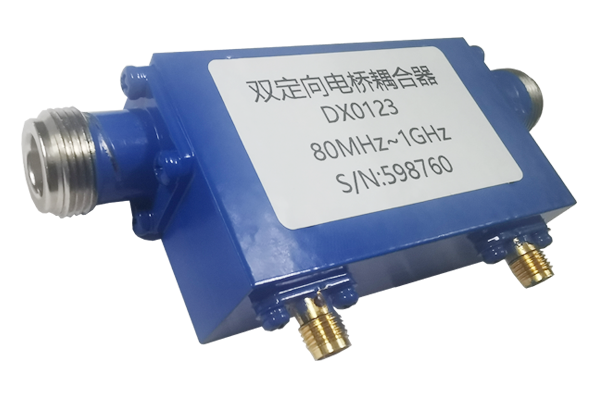




How to Improve the Directivity of a Bridge Coupler
1. Optimize Circuit Structure Design
- Precisely adjust transmission line geometry, length, and coupling region spacing for electromagnetic field control.
- Ideal phase difference at isolation port maximizes destructive interference of reverse signals.
- Effectively suppresses leakage of unwanted signals and significantly enhances directivity.
- Rational structural design forms the foundation for high-performance bridge couplers.
2. Improve Impedance Matching Performance
- All ports (input, output, coupling, isolation) must align precisely with system characteristic impedance.
- Perfect matching virtually eliminates signal reflection during transmission.
- Avoids directivity degradation caused by reflected wave interference.
- Ensures energy flows along predetermined path, boosting overall device performance.
3. Employ Synthesis Compensation Technology
- Introduce synthesis circuits or compensation networks to cancel unwanted reflected components.
- Coupler placed at output combining bridge front end couples signals separately before recombination.
- Phase characteristics during combining greatly improve coupling circuit directivity.
- Reduces need for external high‑power isolators, improving performance while cutting costs.
4. High‑Quality Materials & Processes
- Low‑loss, highly consistent dielectric substrates and conductors reduce signal loss and distortion.
- Fine manufacturing ensures dimensional accuracy and prevents phase deviations from fabrication errors.
- Premium material properties maintain stable electrical performance over temperature and time.
- Enables bridge coupler to achieve optimal directivity in real‑world applications.