






How to Distinguish Between Good and Bad Fixed Attenuators
1. Visual Inspection
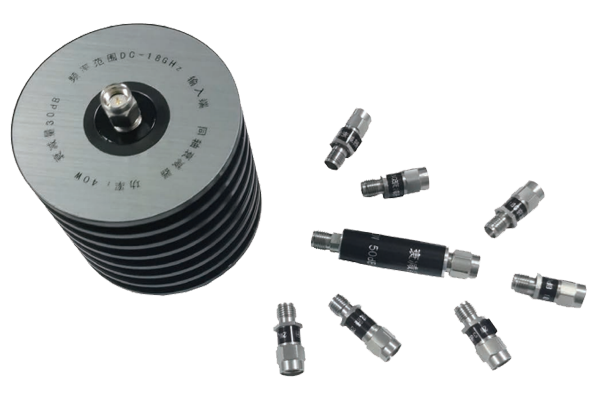
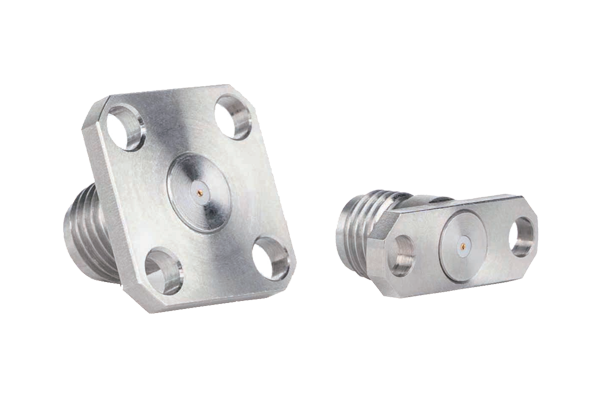
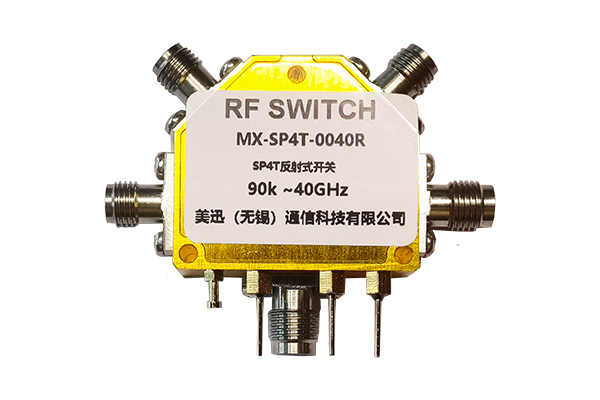
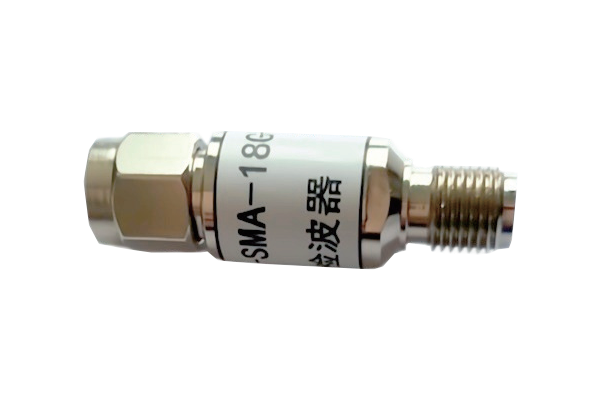
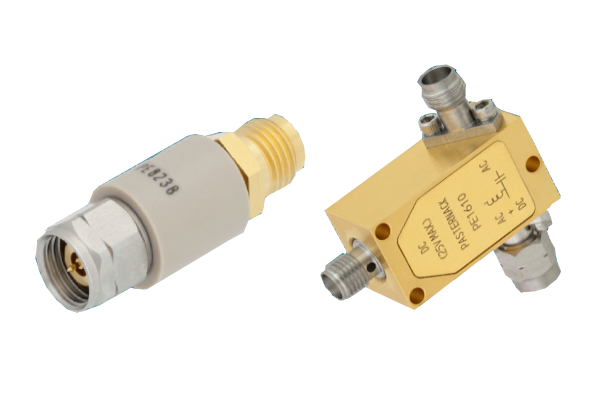
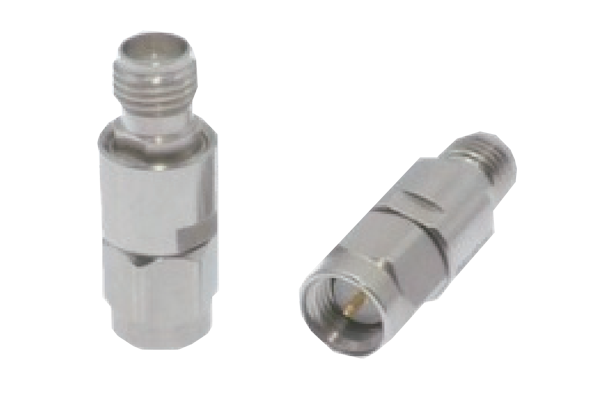
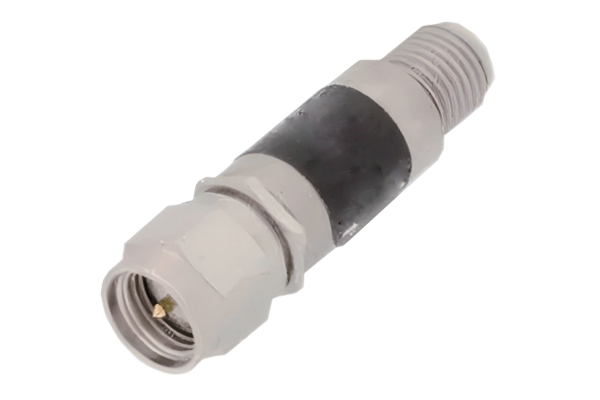
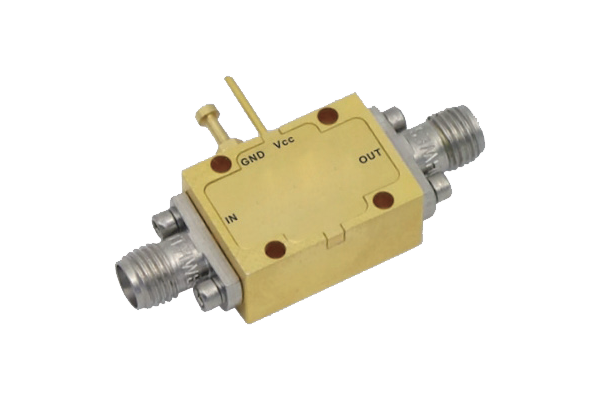
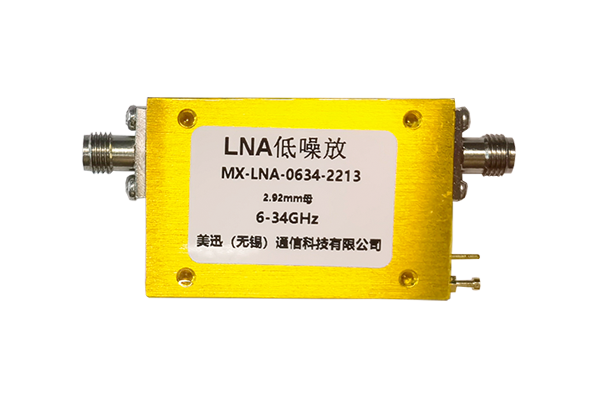
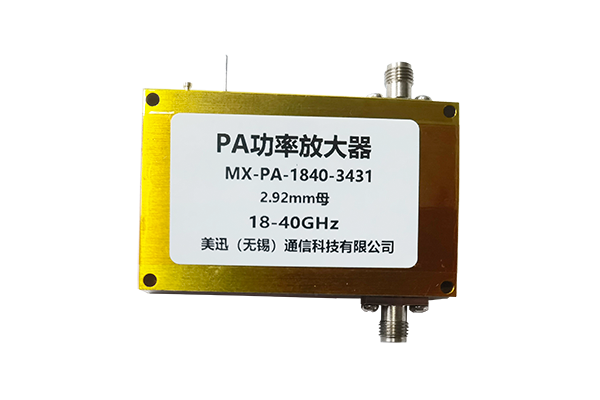
- High‑quality components have a neat appearance with no damage, scratches, or stains on the surface; the casing is free from deformation or oxidation.
- Metal contacts at the interface are bright, rust‑free, and securely attached; markings are clear and complete.
- Inferior components often exhibit rough appearance, blurred markings, and loose interfaces.
2. Performance Testing
- Use professional equipment to test core performance. A high‑quality fixed attenuator delivers stable attenuation with no significant signal distortion.
- Good impedance matching ensures no signal reflection or excessive attenuation fluctuation.
- Inferior components show large attenuation deviation, severe signal distortion, or even failure to achieve effective attenuation.
3. Stability Testing
- High‑quality devices operate stably over extended periods in suitable environments with no significant change in attenuation effect.
- They remain unaffected by slight temperature and humidity fluctuations.
- Inferior devices are easily affected by the environment, exhibit unstable performance, and are prone to failure with long‑term use.
4. Interface Compatibility
- High‑quality devices feature standard interface specifications that connect tightly to equipment with smooth insertion and removal.
- After connection, signal transmission is smooth and uninterrupted.
- Inferior devices may have interface specification deviations, loose connections, poor contact, leading to signal interruption, distortion, or even damage to the device interface.