


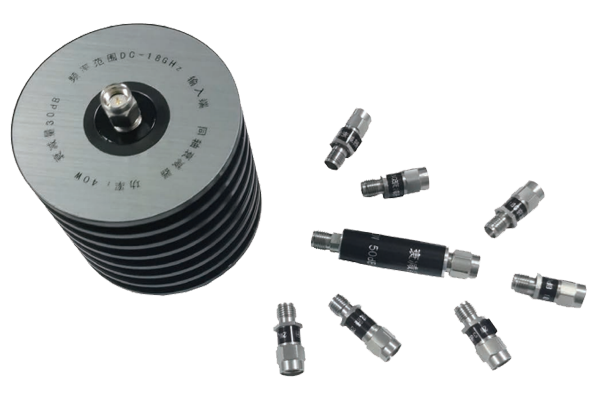
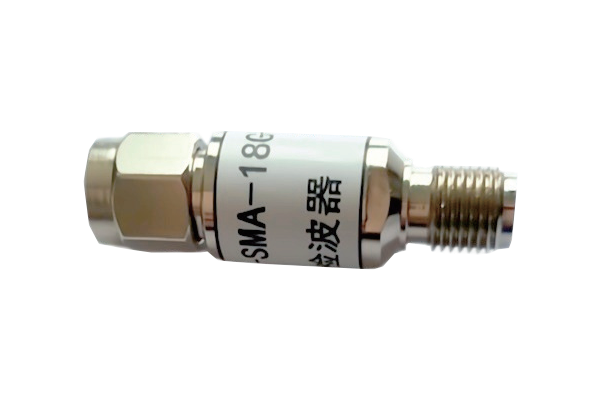




How Strong is the Anti-Aging Capability of Fixed Attenuators
1. Impact of Material Quality
- Material is the core factor determining anti‑aging capability. High‑quality fixed attenuators use passive materials resistant to high temperatures, oxidation, and corrosion.
- The outer shell is made of highly stable material, effectively resisting environmental erosion, slowing aging, and reducing deterioration over long‑term use.
- Inferior devices use ordinary materials with poor corrosion and aging resistance, leading to shell cracking and internal component failure.
2. Manufacturing Process Level
- The quality of the manufacturing process directly relates to anti‑aging capability. Standardized processes ensure a compact internal structure, robust interface connections, and adequate surface protection.
- This effectively isolates components from environmental influences, reducing aging losses.
- Roughly manufactured components with loose internal structures and poorly sealed interfaces are susceptible to moisture and dust intrusion, accelerating aging and shortening lifespan.
3. The Role of the Operating Environment
- The operating environment is a key external factor affecting anti‑aging capabilities. In dry, well‑ventilated, temperature‑stable conditions, aging is slow and performance is preserved.
- Prolonged exposure to high temperatures, humidity, dust, or corrosive gases accelerates oxidation and internal wear, leading to decreased anti‑aging capability and premature failure.
4. Maintenance and Care
- Proper maintenance enhances anti‑aging capability. Regularly cleaning surface dust, checking interface conditions to prevent poor contact and corrosion, and storing in suitable environments effectively delay aging.
- Neglecting maintenance leads to dust accumulation, interface oxidation, and unsuitable environments, accelerating aging and significantly reducing lifespan.