






How is the Coupling Degree of an RF Coupler
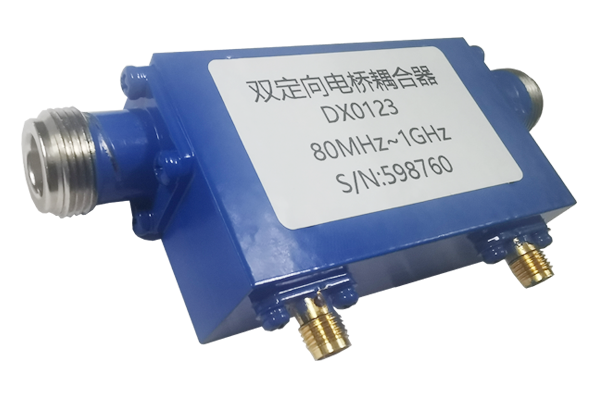
- Core definition: Coupling degree quantifies the power ratio between the main transmission line and the coupled port. It reflects the coupler’s ability to extract a sample of the main signal without interrupting the RF path. As a fundamental criterion, it determines compatibility and directly influences signal transmission fidelity.
- Influencing factors: Coupling degree is not static — it varies with coupler topology (e.g., branch-line, directional), dielectric materials (low‑loss substrates stabilise coupling), and environmental parasitics. Proper PCB layout and shielding minimise external interference, preserving the designed coupling value.
- Selection principles: Choose coupling degree according to the application’s needs: a stronger coupled signal improves detectability, but must be balanced against main line insertion loss. The chosen value should also match the sensitivity and dynamic range of the back‑end detection circuitry to avoid under‑ or over‑drive.
- Practical significance: Optimal coupling degree ensures that the sampled signal accurately represents the main line behaviour, enabling reliable monitoring and control. If the coupling is too loose, the sampled signal may drown in noise; if too tight, it can attenuate the main line and destabilise system performance. Hence, coupling degree is vital for RF system robustness.
⏤ directional coupler · coupling factor ⏤