


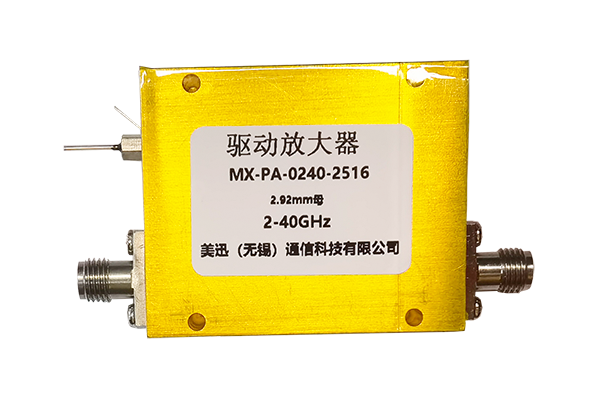




How Effective is the Interference Resistance of an RF Power Divider
1. External Electromagnetic Interference Resistance
- RF power dividers must possess excellent external electromagnetic interference resistance, effectively shielding against external electromagnetic signal interference.
- High‑quality devices, through optimized housing structure and shielding design, reduce the impact of external electromagnetic radiation on internal circuits, preventing external interference signals from intruding.
- This ensures the integrity of input and output signals and guarantees uninterrupted power distribution accuracy.
2. Port Crosstalk Suppression
- Port crosstalk is a common type of internal interference, and its resistance is reflected in the effective suppression of crosstalk.
- By optimizing the internal isolation structure, the isolation performance between each output port is enhanced, preventing signal leakage from one port to other ports.
- This avoids mutual interference between ports, ensuring the independence and stability of each output signal and guaranteeing normal system operation.
3. Clutter Filtering Capability
- Clutter generated during operation can interfere with normal power distribution. The device's anti‑interference capability is reflected in its clutter filtering effect.
- Through internal circuit optimization, the device can effectively filter clutter, harmonics, and other interference signals generated during power distribution.
- This reduces the impact of clutter on signal transmission, ensuring the purity of the output signal and avoiding system performance abnormalities caused by clutter.
4. Environmental Interference Adaptability
- Various interferences in complex environments can affect device performance. Its anti‑interference capability is also reflected in its environmental adaptability.
- High‑quality devices can adapt to different operating environments, resisting interference from environmental factors such as temperature fluctuations and humidity changes.
- This avoids parameter drift and performance degradation caused by environmental interference, ensuring stable anti‑interference performance even in complex environments.