


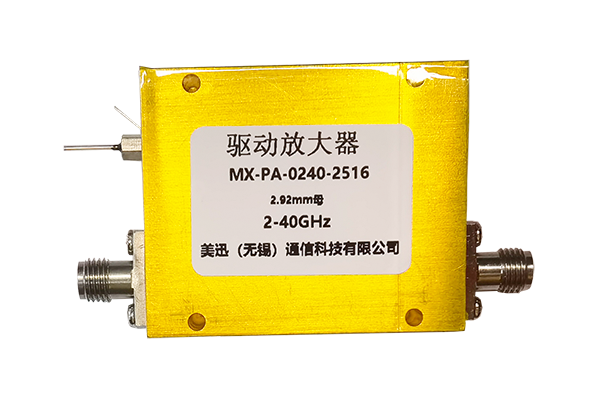




How do RF Attenuators optimize signal transmission
RF Attenuators in Signal Transmission Optimization
Enhancing signal integrity through precise control and adjustment
-
Signal Strength RegulationRF attenuators regulate signal strength to match the operational requirements of subsequent components. Excessively strong signals can cause saturation or distortion in receivers, amplifiers, or other devices in the transmission chain. By reducing signal amplitude to an appropriate level, attenuators prevent such issues, ensuring that each component operates within its optimal performance range and maintains signal fidelity.
-
Impedance Matching ImprovementRF attenuators improve impedance matching between different parts of the RF system. Impedance mismatch often leads to signal reflection, which wastes power and degrades transmission quality. These devices adjust the signal characteristics to align the impedance of interconnected components, minimizing reflection and maximizing the transfer of signal power from the source to the load.
-
Interference and Noise ReductionIn complex RF environments, unwanted signals or noise can overlap with the desired signal, compromising its clarity. By selectively attenuating extraneous signals while maintaining the integrity of the target signal, these devices enhance the signal-to-noise ratio. This improvement allows the desired signal to stand out more prominently, reducing the impact of interference.
-
System Performance StabilizationAttenuators help stabilize the overall performance of the transmission system. Fluctuations in signal strength, often caused by environmental factors or variations in source output, can disrupt system operation. Attenuators provide a consistent means of adjusting signal levels, mitigating the effects of such fluctuations, ensuring reliable operation over time.
Summary of Benefits
RF attenuators optimize signal transmission through precise control of signal strength, improvement of impedance matching, reduction of interference, and stabilization of system performance. These functions work together to enhance signal integrity, maximize power transfer, and ensure reliable communication across various RF applications.
Signal Integrity Power Transfer Noise Reduction System Stability RF Applications