


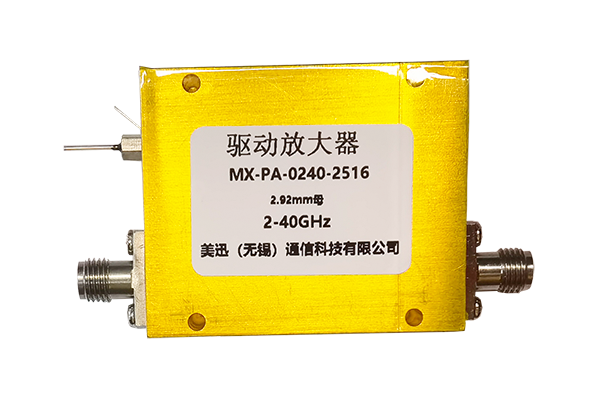




How do power dividers improve signal stability
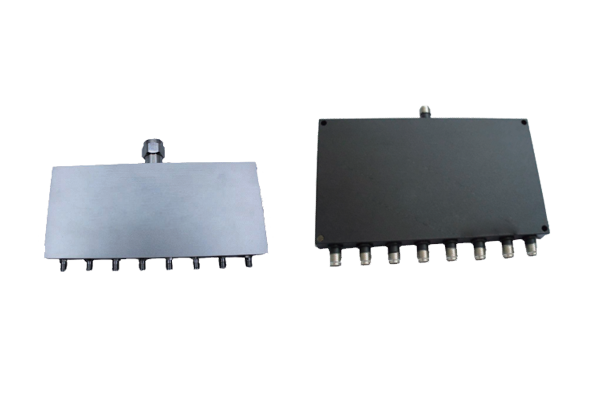
Power dividers play a crucial role in enhancing signal stability by optimizing signal distribution, reducing interference, and maintaining consistent performance throughout the transmission process. Their ability to improve stability stems from careful design considerations and functional advantages that address common issues affecting signal quality in various applications.
Uniform Power Distribution
One key way power dividers boost signal stability is through uniform power distribution.
- By splitting input signals evenly across multiple output paths, they prevent uneven power allocation that can lead to signal distortion or weakening.
- This balanced distribution ensures each connected device receives a consistent signal.
- It avoids fluctuations that might cause malfunctions or performance degradation in connected systems.
Minimizing Signal Loss & Reflection
Power dividers are designed to minimize signal loss and reflection, which are major contributors to unstable signals.
- High-quality conductive and insulating materials are used to reduce insertion loss.
- This ensures most of the input signal energy is transmitted to the outputs rather than being wasted as heat.
- They also suppress signal reflection by matching the impedance of connected devices.
- This prevents reflected signals from interfering with the original input signal, maintaining signal integrity.
Output Path Isolation
Moreover, power dividers enhance stability by isolating individual output paths.
- This isolation prevents signals from different paths from interfering with each other.
- It addresses a common issue that can disrupt signal integrity in multi-path systems.
- By blocking cross-interference, they ensure each signal path operates independently and stably.
Some power divider designs also incorporate noise suppression features to filter out external interference, further safeguarding signal stability in complex operating environments.