


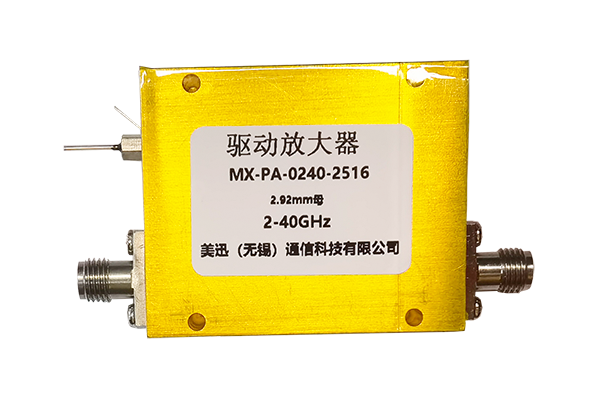




High Power Coupler's Vibration Resistance
Vibration Resistance Technology
Advanced engineering approaches that ensure coupler reliability in demanding vibration environments
Optimized Structure Enhances Vibration Resistance
Through a scientifically designed structural layout, the coupler's overall vibration resistance is improved. An integrated, molded core structural frame reduces gaps and loosening risks at component joints, ensuring the equipment maintains structural integrity in vibration environments.
- Optimized Installation of Internal Components: The installation positions of internal components are rationally planned to avoid vibration amplification caused by center of gravity shift. Simultaneously, the structural design of the signal transmission path is optimized to reduce vibration interference.
- Balanced Structural Design: The overall structural design balances rigidity and toughness, resisting both high-frequency vibrations and buffering the effects of low-frequency vibrations, laying the foundation for vibration resistance.
Superior Materials for a Strong Vibration Resistance Defense
Carefully selected core materials with excellent vibration resistance are used to enhance the equipment's vibration resistance from the source.
- High-Strength Alloys: Core components utilize high-strength, high-toughness alloys, which effectively absorb vibration energy and reduce damage to components.
- Impact-Resistant Outer Shell: The outer shell is made of impact-resistant, non-deformable protective materials, forming a robust external protective barrier to prevent external vibration from being transmitted to internal core components.
- Wear-Resistant Connection Points: Furthermore, key connection points use wear-resistant and fatigue-resistant materials to prevent component wear or breakage due to long-term vibration, thus strengthening the equipment's vibration resistance material defenses.
Specialized Reinforcement to Enhance Connection Stability
Specialized reinforcement processes are implemented for connection points susceptible to vibration.
- Tight Fixing Method: A tight fixing method is used between core components and the structural frame to enhance connection strength and prevent displacement or loosening during vibration.
- Sealed, Reinforced Interface Design: The interface features a sealed, reinforced design, enhancing connection strength and reducing contact issues caused by vibration.
- Protected Internal Wiring: Internal wiring is encased in wear-resistant protective tubing and secured with clips to prevent wear or detachment due to vibration.
- Comprehensive Reinforcement: This comprehensive reinforcement ensures stable connections of all components in vibrating environments, maintaining normal operation.
Rigorous Testing Verifies Vibration Resistance Reliability
Vibration tests simulating real-world application scenarios comprehensively verify the coupler's vibration resistance.
- Professional Testing Environment: In a professional testing environment, vibration conditions of varying frequencies and intensities are simulated, continuously monitoring the equipment's operating status and performance parameters.
- Key Performance Indicators: The testing process focuses on key indicators such as structural stability and signal transmission quality, ensuring stable performance output even under extreme vibration conditions.
- Multiple Rounds of Testing: Multiple rounds of rigorous testing eliminate substandard designs or components, continuously optimizing the product's vibration resistance.
- Real-World Validation: Ensuring the delivered product meets the requirements of various vibration conditions found in actual application scenarios.