


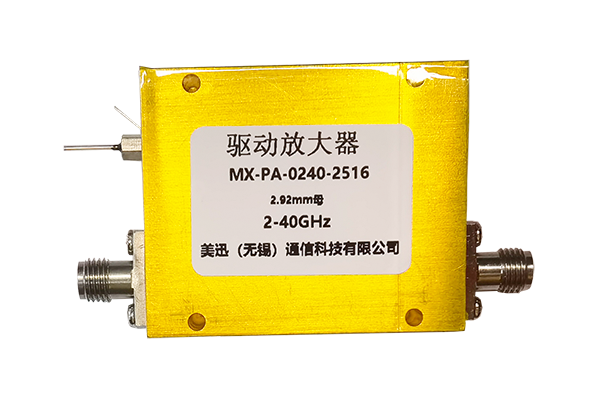




High-Frequency Performance of RF Power Dividers
1. High‑Frequency Power Distribution Stability
- In high‑frequency scenarios, RF power dividers must maintain stable power distribution to avoid decreased accuracy due to increased frequency.
- High‑quality devices ensure output power consistency across all channels within the high‑frequency range.
- This reduces the impact of frequency fluctuations, ensures stable power supply to all ports, and prevents abnormal signal amplitude.
2. High‑Frequency Impedance Matching Capability
- Impedance matching becomes significantly more difficult in high‑frequency environments.
- Good high‑frequency performance is reflected in the ability to maintain a stable impedance matching state.
- Devices must maintain consistent impedance with the system at high frequencies to reduce signal reflection loss, prevent interference, and ensure efficient transmission.
3. High‑Frequency Port Isolation Performance
- In high‑frequency scenarios, the risk of signal crosstalk increases, making isolation performance crucial.
- High‑quality devices effectively suppress signal leakage between output ports at high frequencies.
- This ensures each signal remains independent, prevents crosstalk, and guarantees purity and stability of high‑frequency transmission.
4. High‑Frequency Loss Control Performance
- Energy loss is easily generated during high‑frequency signal transmission.
- High‑frequency performance is reflected in loss control capability through optimized material and structural design.
- Reducing insertion loss at high frequencies balances distribution accuracy and energy loss, ensuring signals meet system port requirements and maintain overall stability.