


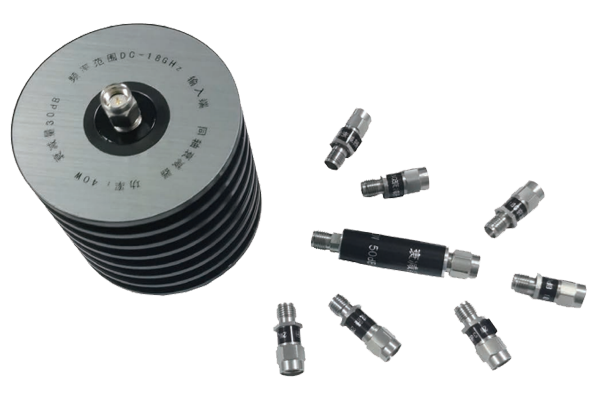
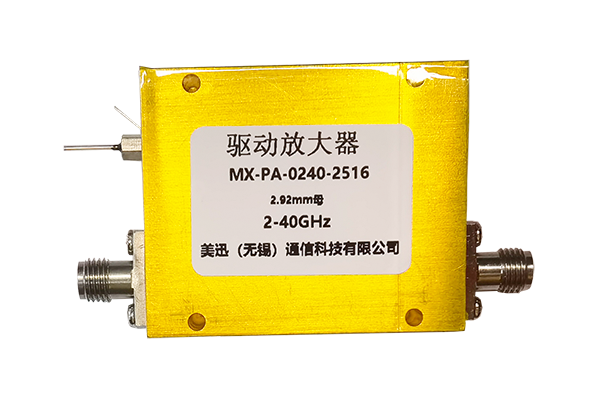




What is the moisture resistance of RF Attenuators
Key Factors Influencing Moisture Resistance
- High-quality insulating materials prevent moisture absorption
- Corrosion-resistant metals protect against structural damage
- Specialized coatings form protective layers on surfaces
- Effective sealing mechanisms block moisture and dust entry
- Prevents moisture accumulation in internal components
- Enhanced designs for extremely humid environments
- Rigorous testing under simulated humid environments
- Quality control ensures consistent moisture resistance
- Advanced techniques for improved reliability
Negative Impacts of Moisture Intrusion
Moisture corrodes metal contacts and internal circuits, increasing contact resistance and affecting signal transmission efficiency.
In humid conditions, condensation forms on internal surfaces, leading to insulation breakdown and potential short circuits.
Prolonged exposure to moisture degrades mechanical stability, reducing overall reliability and service life of the attenuator.
Summary: Moisture resistance is a critical performance indicator of RF attenuators, determined by material selection, sealing design, and manufacturing processes. Good moisture resistance ensures stable operation in humid environments, preventing performance degradation and premature failure. When selecting RF attenuators, considering their moisture resistance based on the intended application environment is essential for maintaining the integrity and reliability of RF systems.